
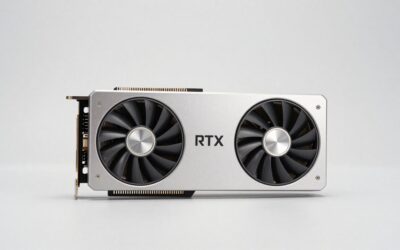
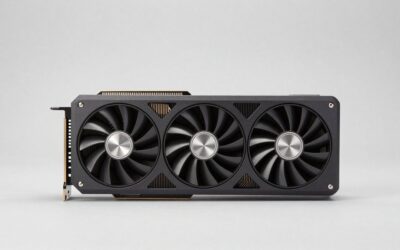
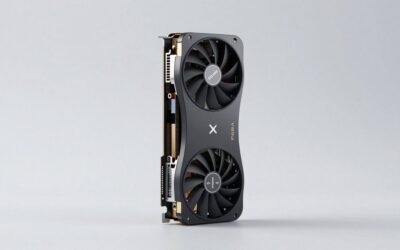
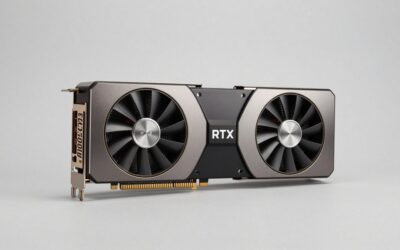
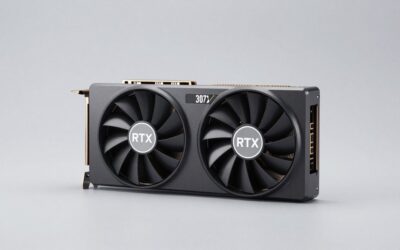
- Top Pick: ASUS Prime GeForce RTX 5060 Ti 16GB GDDR7 Gaming Graphics Card
- Best Value: ASUS Dual GeForce RTX 5060 Ti 16GB GDDR7 OC Edition Gaming Graphics Card
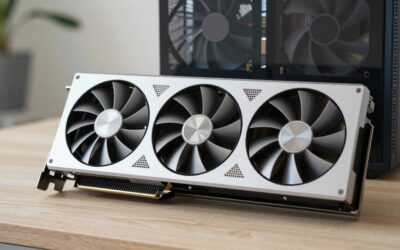
- Premium Choice: ZOTAC Gaming GeForce RTX 5060 Ti 16GB Twin Edge OC White Edition DLSS 4 16GB GDDR7 128-bit 28 Gbps PCIE 5.0 Gaming Graphics Card, IceStorm 2.0 Cooling, SFF-Ready, ZT-B50620Q-10M
Is RTX 5060 Ti 16GB Good? For 1440p gamers and anyone who dabbles in creative work, the answer is a confident yes, and this guide explains exactly why so you can decide with certainty. The 16GB version of the RTX 5060 Ti pairs a capable Blackwell core with fast GDDR7 memory, the full DLSS 4 feature set, and a generous memory buffer that sets it apart from cheaper cards. It is built for the mid-range sweet spot of 1440p gaming and light content creation. Below we break down what makes it good, who it suits best, and where it is not the right pick, so you know if it belongs in your build.


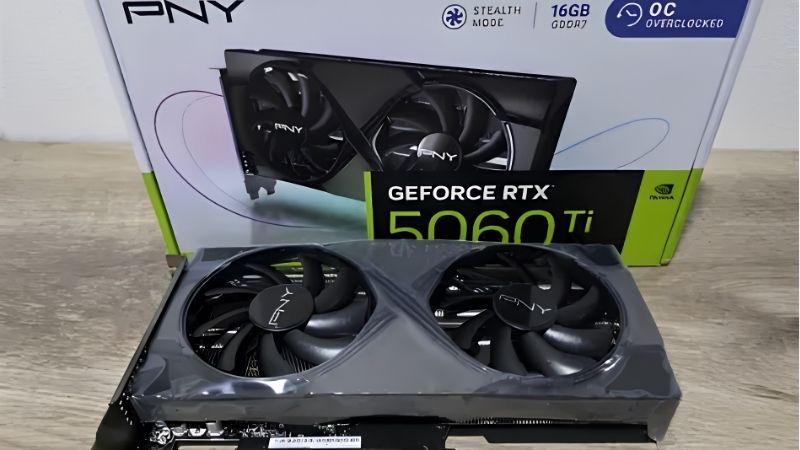
What Makes The RTX 5060 Ti 16GB Good
To judge whether this card is good, it helps to understand the specific strengths that define it, because they explain who it is really for. The 16GB model is more than just a bigger-memory version of the standard card; that extra buffer changes how it performs and ages. Here are the three qualities that make it stand out.
As an Amazon Associate we earn from qualifying purchases at no extra cost to you.



The 16GB Memory Advantage
The headline strength is the 16GB of GDDR7 memory, double that of the 8GB model and the single biggest reason to choose this version. That generous buffer keeps performance consistent at 1440p, where high-resolution textures and ray tracing can exceed 8GB and cause cheaper cards to stutter. It is a genuine, measurable benefit.
This memory headroom is also what makes the card future-proof, since games continue to demand more VRAM with each passing year. A card that will not hit a memory wall soon is a smarter long-term buy, and that is exactly what the 16GB buffer provides. For longevity, it is the standout feature.
Crucially, the 16GB model shares its core with the 8GB version, so the memory is the real differentiator between them. When a game stays under 8GB the two perform alike, but the moment it exceeds that limit, the 16GB card pulls comfortably ahead. That gap only grows over time.
This is exactly why so many buyers specifically seek out the 16GB version rather than saving a little on the 8GB model. They are not paying for a bigger number on the box; they are paying for the confidence that the card will not hit a memory wall in the demanding games and projects they plan to run over the next several years.
Strong 1440p Gaming Performance
The RTX 5060 Ti 16GB is a genuinely good 1440p gaming card, delivering smooth high-settings gameplay across the majority of modern titles. DLSS 4 keeps even demanding games above the comfort line where native rendering would dip, extending its reach nicely. For mainstream 1440p, it hits the mark.
At 1080p the card is comfortably overpowered, pushing very high frame rates for high-refresh monitors, while competitive titles run exceptionally well. This flexibility across resolutions and game types is part of what makes it feel like good value. It adapts to how you actually play.
It is not built for native 4K, and that is the honest limit of its performance, but within its 1440p target it does exactly what a good mid-range card should. Set your expectations at 1440p and it delivers a consistently strong experience. That focus is a strength, not a weakness.
That consistency is worth emphasising, because it is what separates a good 1440p card from one that merely works at the resolution. Thanks to the 16GB buffer, the RTX 5060 Ti holds its frame rates steady in the demanding moments where lesser cards stutter, which is precisely when smoothness matters most to how a game feels.
Creator And Productivity Value
Beyond gaming, the 16GB buffer makes this card genuinely useful for creative work, which adds real value for mixed-use buyers. It prevents stutter when editing large video timelines and lets you work with heavier project files than the 8GB model can handle. For creators on a budget, that matters.
For 3D rendering, local AI experiments, and high-resolution photo editing, the extra memory allows bigger scenes and models to load and run smoothly. It effectively turns a mid-range gaming card into a capable all-rounder, which is excellent value at this price. That dual purpose is a real selling point.
If you game and create on the same machine, this capability is a major reason the card is good value. Getting solid gaming and dependable productivity from one affordable card is exactly what many buyers want, and the 16GB model delivers it well.
Local AI workloads deserve a special mention here, since model size is often gated directly by available memory. The 16GB buffer lets the card load larger models and datasets than the 8GB version can manage, which is increasingly relevant for the growing number of hobbyists experimenting with on-device AI tools alongside their gaming and creative projects.
Is It Good For You Specifically?
Whether the card is good depends on your needs, so this section matches it to different buyers to help you decide quickly. The 16GB model is excellent for some and unnecessary for others, and the difference comes down to how you play and what you value. Find the profile that fits you below.
Good For 1440p Gamers And Creators
If you game at 1440p or do any creative work, the RTX 5060 Ti 16GB is an ideal match and an easy yes. Its memory buffer and DLSS 4 support give you consistent performance today and headroom for years to come. For this profile, it is close to a perfect mid-range choice.
You also benefit from the peace of mind that the card will not run short of memory in the demanding games you plan to play. That confidence is worth the modest premium over the 8GB model for anyone serious about 1440p. It is the version built with your needs in mind.
Less Ideal For 1080p-Only Or Tight Budgets
If you only game at 1080p on a strict budget, the 16GB model may be more than you need, since many 1080p titles stay within 8GB. In that case the extra memory is capability you have paid for but might not fully use. Be honest about whether you will benefit.
For these buyers, the cheaper 8GB model or the standard RTX 5060 can make more financial sense while still delivering a great 1080p experience. Matching the card to your real resolution rather than overbuying keeps your budget efficient. The 16GB model is not wrong here, just potentially unnecessary.
Pros And Cons
Weighing the card’s strengths against its trade-offs gives a clear picture you can act on with confidence.
Pros: a future-proof 16GB buffer, consistent 1440p gaming, strong creator and productivity value, the full DLSS 4 feature set, and good efficiency.
Cons: a higher price than the 8GB model and rivals, no benefit in games that stay under 8GB, and a core aimed at 1440p rather than native 4K.
Taken together, these lists confirm the verdict: for 1440p gamers and creators the RTX 5060 Ti 16GB is genuinely good, and the premium buys real consistency and longevity. It is only questionable value for strict 1080p players who will not use the extra memory.
Price, Value, And The Verdict
A card is only good if it is also good value, so this final section covers 2026 pricing and delivers the clear verdict. The current market has made price a deciding factor, so it deserves a proper look. Here is what to know and who should buy.
How 2026 Memory Prices Affect The Value
Component pricing in 2026 is driven by forces outside gaming. Through late 2025, AI datacenter demand pushed memory, SSD, and especially 16GB graphics-card prices up by roughly 20%, and high-VRAM cards feel that pressure most directly. That affects how you should judge the card’s value today.
There is cautiously positive news: prices have stopped climbing as steeply as they did at the end of 2025, and some makers report relative stability while still warning of volatility. New supply is coming from DDR5 sources such as CXMT and two new Micron plants being built in Idaho.
The catch is timing, since those plants will not ramp until 2027–2028. Because the 16GB model sits in the most pressured segment, buying while it is in stock at a fair price is safer than waiting for a discount the calendar does not promise. Relief is real but still years away.
Who Should Buy It
You should buy the RTX 5060 Ti 16GB if you game at 1440p, do creative work, or want a card that ages gracefully thanks to its generous memory. For these buyers, it is genuinely good and worth the modest premium over the 8GB version. It is a confident recommendation for that audience.
You should consider a cheaper option if you only play at 1080p on a tight budget, where the extra memory brings little benefit. Choosing the right card for your actual needs, rather than the one with the biggest number, is what makes for a smart purchase. Match it to how you really play.
See More:
- RTX 4060 vs RTX 5060
- M4 GPU benchmark
- RTX 5060 Ti benchmark
- 5060 Ti 16GB vs 9070 XT
- RTX 5050 vs RTX 5060
The Final Verdict
So, is the RTX 5060 Ti 16GB good? For 1440p gamers and creators, the answer is a confident yes, thanks to its future-proof memory, consistent performance, and strong all-round value. It is one of the more sensible mid-range choices available.
The only real caveat is that strict 1080p gamers on a budget may not need the extra memory. Weigh that against your plans, and if 1440p or creative work is in your future, this card is a genuinely good buy for the money.
In short, is RTX 5060 Ti 16GB good? For 1440p gamers and creators it is an excellent, future-proof choice that ages gracefully, while strict 1080p buyers on a tight budget may simply not need its extra memory. Judge it against how you actually play and it rewards the mid-range buyer who wants real longevity. With high-VRAM cards under continued price pressure through 2026, securing one at a fair price sooner is the wise move rather than waiting for relief that is still years away. Check today’s price and availability through the link below to see if it fits your build.
Frequently Asked Questions
Is the RTX 5060 Ti 16GB worth buying over the 8GB version?
Yes, in almost every case. The two cards share identical GPU silicon, so the only meaningful difference is the frame buffer, and the modest price premium buys you protection against stutter in texture-heavy games, ray tracing overhead and frame generation memory costs. The 8GB model is the one to avoid at this tier.
What resolution is this card really designed for?
It is a strong 1080p high refresh card and a competent 60fps 1440p card. At 1080p it comfortably exceeds 100fps in most titles, while at 1440p it holds 60 to 80fps at high settings without ray tracing. For 4K it is underpowered outside of lighter and older games.
What are the power and cooling requirements?
Board power is around 180W, most models use a single 8-pin connector, and 600W is the official recommendation although a solid 550W unit is sufficient. Thermals are unremarkable and partner cards typically run cool and quiet, making the card a good fit for small form factor and airflow-limited builds.
Is the 128-bit memory bus a problem?
The narrow bus is the card’s main architectural compromise and it does limit performance scaling at higher resolutions. GDDR7 partially compensates by raising per-pin bandwidth, and the large L2 cache reduces how often the GPU touches memory. It is a real limitation, but it is offset by the generous 16GB capacity.
Who should skip this card entirely?
Anyone with a 3070, 4070 or better already, since the upgrade is lateral in raw performance. Also skip it if you target high refresh 1440p or any 4K gaming, where the 5070 Ti or RX 9070 XT are far better matched. It suits 1080p and entry 1440p buyers coming from older hardware.

Write Your Review
No reviews yet. Be the first to share your experience!