
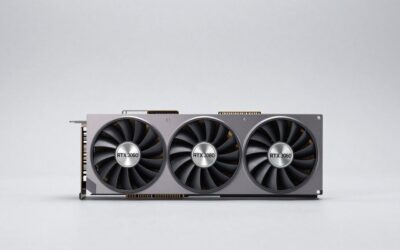
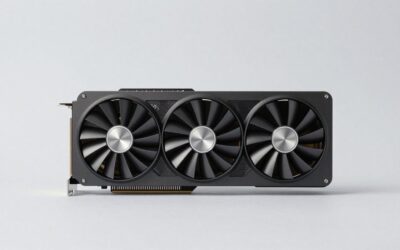
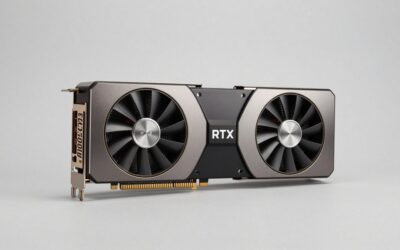
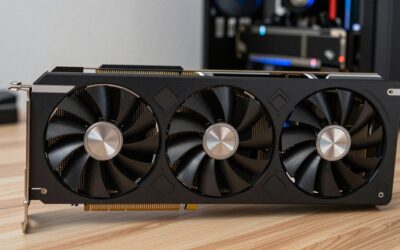
- Top Pick: PNY NVIDIA GeForce RTX™ 5070 Ti Epic-X RGB™ OC Triple-Fan Graphics Card | 16GB GDDR7, 256-bit, Boost Speed: 2640 MHz, PCIe® 5.0, HDMI®/DP 2.1, NVIDIA Blackwell Architecture, DLSS 4.5
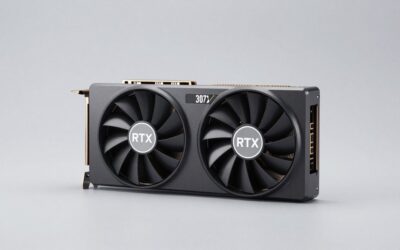
- Best Value: PNY NVIDIA GeForce RTX™ 5070 Ti OC Triple-Fan Graphics Card
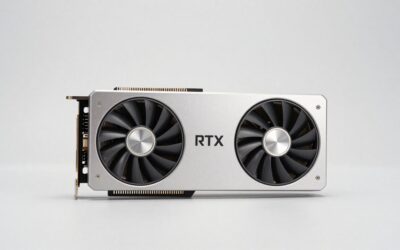
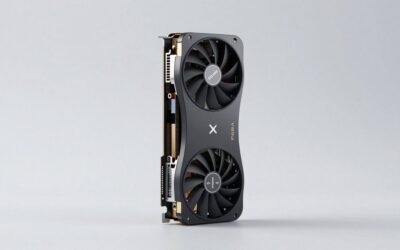
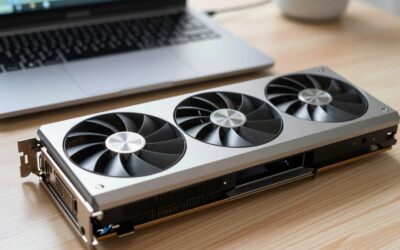
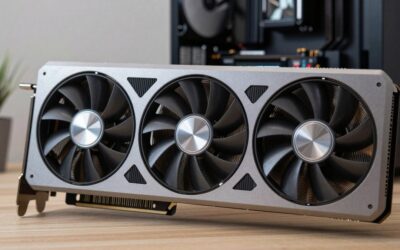
- Premium Choice: ASUS Prime GeForce RTX 5070 12GB GDDR7 OC Edition Gaming Graphics Card
The RTX 5070 Ti is the card that makes the RTX 50 lineup interesting for people who do the math. It launched at $749 with 16GB and a 300W rating, sitting $200 above the 5070 and $250 below the 5080. That placement raises a clean question: is the 5070 Ti the sweet spot of the stack, or is it a stepping stone that makes you wish you had bought the card above or below it?
We answer that by walking up and down the ladder with launch MSRPs, and by checking which monitors and games make each step pay off. If you are choosing a card for a 1440p high-refresh or 4K display and want to avoid overpaying for performance you will not see, this is the framework to use.
As an Amazon Associate we earn from qualifying purchases at no extra cost to you.


The dollar-per-step ladder
| Card | VRAM | Board power | Launch MSRP | Step from previous |
|---|---|---|---|---|
| RTX 5060 Ti 16GB | 16GB | 180W | $429 | Entry to the 16GB tier |
| RTX 5070 | 12GB | 250W | $549 | +$120 |
| RTX 5070 Ti | 16GB | 300W | $749 | +$200 |
| RTX 5080 | 16GB | 360W | $999 | +$250 |
| RTX 5090 | 32GB | 575W | $1,999 | +$1,000 |
These are MSRPs at launch. Prices on the market vary, so check the current price on the listing, then recompute each step with real numbers. If the gap between a 5070 Ti and a 5080 shrinks, the calculus shifts.
Stepping up from the 5070
The jump from 5070 to 5070 Ti costs $200 at launch and adds 4GB of memory and 50W of board power. The memory is the reason to care. At 1440p, 12GB is comfortable, but at 4K with high textures and ray tracing in the heaviest games, the 5070 Ti’s 16GB provides breathing room. Reviews at TechPowerUp, Tom’s Hardware, and Hardware Unboxed show how large the performance gap is in specific games, and it is worth looking at titles you own rather than averaged charts.
If your monitor is 1080p or a modest 1440p panel, the 5070 may deliver everything you can see. If it is a 4K monitor, the Ti is the more defensible choice.
Stepping down from the 5080
The 5080 costs $250 more at launch and draws 360W against 300W, while also carrying 16GB. The decision comes down to how much additional speed you can use. If you play at 4K with ray tracing and want maximum headroom, the 5080 is a reasonable upgrade. If you are at 1440p, the extra money may buy performance your monitor cannot show, and the lower heat and noise of the Ti may matter more.
Because both cards share the same memory capacity, the difference is speed rather than capacity. If memory-heavy work is your goal, neither is the right card; look to the 5090’s 32GB.
Alternatives outside NVIDIA
AMD’s RX 9070 XT (16GB, $599 at launch) sits below the 5070 Ti on price and offers the same capacity. It runs on the RDNA 4 architecture and does not have DLSS. Reviewers tend to evaluate it against the 5070 Ti in both rasterization and ray tracing, so see those head-to-head charts before deciding. The usual trade-off is price and raw rasterization versus NVIDIA’s upscaling and frame generation ecosystem, including multi frame generation, exclusive to RTX 50.
Pairing with your platform
CPU
For 4K, the GPU does most of the work, and a Zen 3 5800X or an Intel 12th-gen i5 is usually adequate. For 1440p at high refresh, a stronger processor helps. Older Intel 10th-gen chips can hold back a card in this class in CPU-heavy games.
PCIe
The card uses a modern PCIe interface. On a PCIe 3.0 board it should still work, but check the reviews for scaling notes and enable resizable BAR if your BIOS supports it.
Power
The 300W rating calls for a quality PSU with real headroom, so check the card’s spec page for the specific recommendation and for the connector it uses. Make sure the cable is fully seated and not tightly bent.
Who should buy it
- 4K gamer with a budget under flagship money: the 5070 Ti is the logical middle step.
- 1440p high-refresh player who wants to keep the card for years: 16GB protects against future memory demands.
- Someone upgrading from a 3070 or 3080: the 16GB and multi frame generation are the clearest gains.
- Someone on a tight power budget: consider the 5070 at 250W or the 4070 Super at 220W.
Buying in 2026, you can also compare against last generation: the 4070 Ti Super (16GB, 285W, $799 at launch) and 4080 Super (16GB, 320W, $999 at launch) both offer similar memory without multi frame generation. If a used or discounted unit is available, weigh the lack of DLSS 4 features against the price.
Frequently asked
Is the RTX 5070 Ti better than the 4080 Super?
Launch coverage placed them in a similar neighborhood, with the 5070 Ti at a lower MSRP and with multi frame generation. Check reviews for your games.
Is 16GB enough for 4K?
For most games, yes. A few of the heaviest titles may press it, particularly with ray tracing.
5070 Ti or RX 9070 XT?
The 9070 XT launched at $599 with 16GB. The 5070 Ti costs $150 more at launch and adds NVIDIA’s feature set.
What PSU is needed?
Check the card’s spec page for the recommended wattage and connectors.
Ready to decide? Our #1 pick for 2026 is the RTX 5060 Ti 16GB.
Live price & availability on Amazon.

Write Your Review
No reviews yet. Be the first to share your experience!