
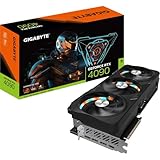
- Top Pick: ASUS ROG Strix GeForce RTX 4090 OC Edition Gaming Graphics Card (PCIe 4.0, 24GB GDDR6X, HDMI 2.1a, DisplayPort 1.4a), 3 Year Warranty
- Best Value: ASUS TUF Gaming GeForce RTX™ 5080 16GB GDDR7 OC Edition Graphics Card
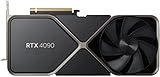
- Premium Choice: VIPERA NVIDIA GeForce RTX 4090 Founders Edition Graphic Card
Top Buy Rtx 4090 Smart Buyer Picks for 2026
Here are our current top buy rtx 4090 smart buyer picks, compared on real Amazon owner reviews, price, and features. Live prices update below.


Buy RTX 4090 searches have stayed surprisingly strong in 2026, years after the card launched, and the reason is unusual: this is no longer just a gaming GPU, it is one of the most sought-after AI and creative cards on the market. Nvidia ended 4090 production in late 2024, yet demand from machine learning, local LLM hosting, and 4K gamers keeps prices stubbornly high. This guide explains what you actually get, what you should expect to pay, and how to buy an RTX 4090 wisely in a market unlike any other in GPU history.
As an Amazon Associate we earn from qualifying purchases at no extra cost to you.




Why People Still Want to Buy an RTX 4090
Before spending serious money, it helps to understand why this aging flagship commands the prices it does. The RTX 4090 sits in a rare position: it is simultaneously a top-tier gaming card and an entry point into professional AI work, which keeps two very different groups of buyers competing for a finite supply.
Flagship Specs That Still Lead
The RTX 4090 is built on Nvidia’s Ada Lovelace AD102 die with a massive 16,384 CUDA cores, 24GB of GDDR6X memory on a 384-bit bus, and just over 1 TB/s of bandwidth. Its rated power draw is 450W.
Those numbers still place it among the fastest consumer GPUs ever made. For 4K gaming it remains a powerhouse, delivering high frame rates in demanding titles, and DLSS 3 frame generation extends that lead further in supported games.
Even against the newer RTX 5090, the 4090 holds up as a genuinely high-end performer. It trails the latest flagship but stays comfortably ahead of everything in the mid-range, which is part of why it has not depreciated like older cards normally do.
This unusual durability is central to the buying decision. Most flagship GPUs lose value quickly once a successor arrives, but the 4090 has defied that pattern because its successor is scarce and its capabilities remain relevant. For a buyer, that means the card is less likely to feel obsolete soon, but also less likely to ever become a true bargain.
The 24GB VRAM and AI Demand
The single most important reason to buy an RTX 4090 in 2026 is its 24GB of VRAM. That buffer makes it the de facto entry card for local AI work, from running large language models to Stable Diffusion image pipelines.
Industry tracking suggests a large share of recent 4090 buyers are professionals and AI developers rather than gamers, drawn by 24GB of memory at a fraction of the cost of data-center cards. That demand is the main force keeping prices elevated.
For anyone doing serious creative or machine learning work, this is the card’s killer feature. The 24GB buffer handles models and projects that smaller cards simply cannot load, which is why professionals keep paying a premium for it.
It is worth being specific about the workloads this enables. With 24GB, the 4090 can run quantized large language models, fine-tune mid-sized models, and power Stable Diffusion XL pipelines that smaller cards cannot fit in memory. For freelancers and small studios, that capability can pay for the card directly, which reframes the high price as a business investment rather than a gaming splurge.
Who Should and Should Not Buy One
The 4090 makes the most sense for two groups: serious 4K gamers who want maximum performance and creators or AI users who need 24GB of VRAM today.
For mainstream 1440p gamers, it is overkill and overpriced. A new RTX 5070 Ti or 5080 delivers excellent gaming for far less money, with newer DLSS 4 features the 4090 lacks.
Being honest about which group you fall into is the first step to a smart purchase. If you do not specifically need 24GB or uncompromised 4K, your money is better spent elsewhere.
This honesty matters because the 4090’s marketing halo tempts many buyers who do not need it. If your monitor is 1440p and your work does not involve large AI models or heavy rendering, you will likely never use the headroom you are paying a steep premium for. Spending less on a current-generation card and pocketing the difference is the smarter play for the majority of gamers.
What It Costs to Buy an RTX 4090 in 2026
Pricing is the hardest part of buying a 4090 today, because the card defies normal depreciation. Production has stopped, demand persists, and the result is one of the longest-running pricing anomalies in modern GPU history. This section covers what to expect and how to read the market.
Current Pricing and Why It Stays High
As of 2026, used RTX 4090 units commonly trade well above the original $1,599 MSRP, with new sealed stock priced higher still and premium partner models reaching far above that. Prices have sat 15 to 35% over MSRP for an extended stretch.
Three factors compound to keep it there. Production ended in late 2024, so no new units are being made; the RTX 5090 sold out instantly and provides no downward pressure; and AI demand for 24GB cards refuses to slow.
The practical consequence is that the 4090 is priced by scarcity, not by its age-adjusted performance. Understanding that prevents the common mistake of waiting for a “normal” price drop that the supply situation makes unlikely.
The Memory Shortage and H200 Effect
Two broader forces reinforce these high prices. A severe GDDR7 and DRAM memory shortage has driven the entire RTX 50-series above MSRP, and when new flagships are scarce and expensive, the 4090’s value holds rather than falls.
On top of that, the US approved sales of Nvidia’s H200 AI accelerator to China in early 2026, prompting orders for millions of chips. Nvidia prioritizes that hugely profitable AI demand, diverting wafers and high-bandwidth memory away from consumer production. With laptop and component prices rising too, the message for anyone looking to buy an RTX 4090 is clear: prices are firm, and a fairly priced unit now is unlikely to look expensive in hindsight.
New vs Used: Buying Safely
Because new stock is scarce and pricey, most buyers will consider used units, which demands caution. Verify the seller’s reputation, ask for proof of the card’s history, and prefer units from professionals over heavily used gaming or mining cards.
Check for any remaining warranty, request photos of the actual card, and test thermals if possible after purchase. A clean 4090 can serve for years, but the burden of verification now sits with you rather than a retailer.
Pros and cons of buying an RTX 4090 today help frame the decision:
- Pros: elite 4K gaming, 24GB VRAM for AI and creative work, DLSS 3 frame generation, holds value strongly, still near the top of the performance stack.
- Cons: very high prices well above MSRP, 450W power draw, no DLSS 4 Multi Frame Generation, used-market risk, overkill for mainstream gaming.
Smart Buying Strategy and Final Verdict
Buying a 4090 well is about discipline and timing more than luck. With the market this unusual, a clear strategy and honest comparison against alternatives separate a good purchase from an expensive regret. Here is how to approach it.
Alternatives Worth Considering First
Before you buy an RTX 4090, weigh the alternatives honestly. If you mainly game, a new RTX 5080 or 5070 Ti offers excellent 4K and 1440p performance with DLSS 4 for less money.
If you need VRAM for AI on a budget, a used RTX 3090 also offers 24GB at a lower price, trading speed for capacity. The 4090 only wins when you need both its performance and its 24GB buffer together.
Run these comparisons live before committing, since the right choice depends on the day’s prices and your specific workload.
How to Time Your Purchase
Timing matters in this market. As more RTX 5090 owners sell their old 4090s, used supply gradually increases, which can soften prices modestly over time.
That said, do not expect a dramatic crash. The 24GB VRAM keeps the card in high demand, and production has permanently stopped. If you find a clean unit at a fair price, acting is usually wiser than holding out for a collapse that the fundamentals do not support.
Set a firm target price based on current used averages, watch listings patiently, and pounce when a verified card hits your number.
Patience genuinely pays here. Because the 4090 holds its value, there is little penalty for waiting a few weeks to find the right unit, and impulse buying in a hot market is how people overpay. A disciplined, target-driven approach almost always beats grabbing the first listing you see.
Final Verdict: Should You Buy One
Buy an RTX 4090 if you need uncompromised 4K gaming or 24GB of VRAM for AI and creative work, and you can verify a clean unit at a fair price. For those users, it remains a genuinely capable and valuable card.
If you only game at 1440p or do not need that VRAM, skip it and choose a newer card with DLSS 4 instead. The 4090 is a specialist’s purchase in 2026, and buying it with clear intent is the key to being satisfied.
See more:
- What graphics card do I have?
- How to tell what graphics card I have
- 5070 Ti vs 4080
- 5060 vs 3080
- RTX 2060 graphics card
Recommended Products

ASUS ROG Astral NVIDIA GeForce RTX™ 5080 16GB GDDR7 OC Edition Gaming Graphics Card (PCIe® 5.0, HDMI®/DP 2.1, 3.8-Slot, 4-Fan Design, Axial-tech Fans, Patented Vapor Chamber), 3 Year Warranty

msi
MSI Gaming GeForce RTX 4070 Ti 12GB GDRR6X 192-Bit Extreme Clock: 2760 MHz HDMI/DP Nvlink Tri-Frozr 3 Ada Lovelace Architecture Graphics Card (RTX 4070 Ti Gaming X Trio 12G)

ZOTAC
ZOTAC Gaming GeForce RTX 4070 Ti AMP AIRO Spider-Man: Across The Spider-Verse Inspired Graphics Card Bundle – ZT-D40710F-10SMP
As an Amazon Associate we earn from qualifying purchases. Product prices and availability are accurate as of the date/time indicated.
Conclusion
The decision to buy RTX 4090 hardware in 2026 comes down to need: it remains an elite 4K gaming card and the go-to consumer GPU for AI thanks to its 24GB of VRAM, but it carries prices well above MSRP because production ended and demand never cooled. With the memory shortage and AI-chip demand keeping the whole market tight, a fairly priced unit is unlikely to drop sharply, so verifying a clean card and acting on a fair deal beats waiting. Compare current RTX 4090 listings against newer DLSS 4 alternatives on Amazon, confirm the seller and condition, and buy with confidence when the price and your needs align.
Frequently Asked Questions
What is the best rtx 4090 in 2026?
The best rtx 4090 depends on your budget and how you plan to use it. The options compared above are our top-rated picks based on real customer ratings, build quality, and overall value — start with the highest-rated model that fits your budget.
How much should I expect to spend on a rtx 4090?
Prices vary by brand and features. Budget options cover the essentials, while mid-range and premium models add durability, performance, and extra features. Compare the prices in the list above to find the best value for your needs.
What should I look for when buying a rtx 4090?
Focus on what matters most for your use case — build quality, compatibility, performance, warranty, and verified customer reviews. Every pick above is selected to balance these factors.
Are budget rtx 4090 options worth it?
Yes. For most people a well-reviewed budget or mid-range rtx 4090 delivers excellent value. You only need to spend more if you specifically require premium materials or top-tier performance.
How did we choose these rtx 4090 picks?
We compare current Amazon ratings, review counts, key features, and price to surface the options with the best real-world value. The list is refreshed as ratings and availability change.




Write Your Review
No reviews yet. Be the first to share your experience!