
NVIDIA is a name almost everyone in tech recognizes, but it is worth understanding what the company actually makes, why it has become so dominant, and whether its products are the right choice for you. From the graphics cards that power gaming PCs to the chips behind much of modern artificial intelligence, NVIDIA sits at the center of some of the most important technology today. This review gives you a clear, balanced look at what NVIDIA offers, its main product lines, the pros and cons of choosing it, and how to decide whether it fits your needs.
What Is NVIDIA and Why Does It Matter?
Before weighing whether NVIDIA is right for you, it helps to understand what the company does and why it holds such an important position. NVIDIA has grown from a graphics specialist into a technology leader whose products reach far beyond gaming. Knowing its role makes it much easier to judge its products fairly.
What NVIDIA Makes
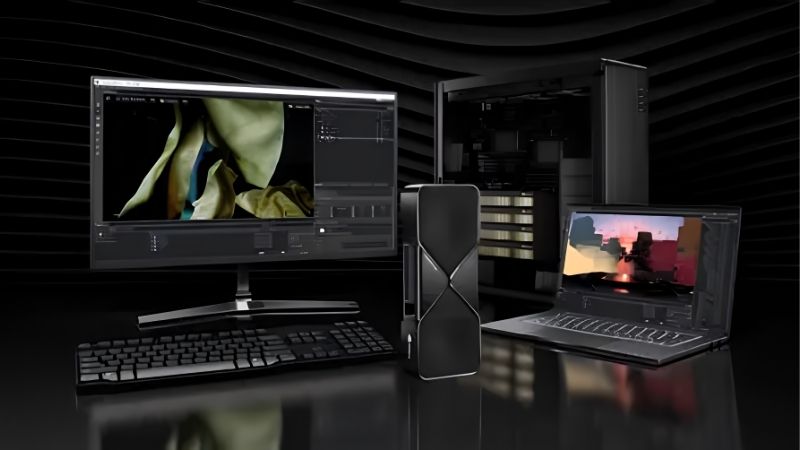
NVIDIA is best known for designing graphics processing units, the powerful chips that render visuals in games and accelerate demanding computing tasks. Its consumer graphics cards, sold under the GeForce brand, are a staple of gaming PCs around the world and range from affordable models to high-end powerhouses.
Beyond gaming, NVIDIA makes hardware and software for professionals, data centers, and artificial intelligence, along with technologies for areas like automotive and robotics. This wide portfolio means the company touches everything from a gamer’s desktop to the servers training the world’s most advanced AI models.
The common thread across all of it is parallel processing, the ability of NVIDIA’s chips to perform enormous numbers of calculations at once. That single strength is what lets the same underlying technology serve gaming, professional work, and cutting-edge AI alike.
Why NVIDIA Leads the Market
NVIDIA’s leadership comes from a combination of strong hardware performance, a mature and widely supported software ecosystem, and a track record of anticipating important technology shifts. Its graphics cards consistently deliver competitive performance and desirable features, while its software support keeps them well-optimized across games and applications.
Just as importantly, NVIDIA invested early in technologies like GPU computing and AI acceleration, which positioned it perfectly for the surge in artificial intelligence. This foresight, combined with reliable products, has built a level of trust and market presence that few competitors can match, reinforcing its leadership across multiple fields.
Market leadership also tends to be self-reinforcing in technology, since developers and software makers optimize heavily for the most widely used hardware. Because so many games and professional applications are tuned to work well with NVIDIA’s cards, buyers often enjoy smooth, well-supported experiences, which in turn keeps the brand popular. This cycle of broad support and strong sales helps explain why NVIDIA’s position has proven so durable.
Who NVIDIA’s Products Are For
NVIDIA’s products serve a broad audience, from casual gamers wanting reliable graphics to enthusiasts chasing top performance, and from content creators and professionals to researchers and companies building AI systems. There is genuinely an NVIDIA product for most levels of need and budget.
For everyday users, the most relevant products are the GeForce graphics cards, while professionals and organizations look to the specialized professional and data center hardware. Understanding which part of NVIDIA’s lineup matches your needs is the key to deciding whether and what to buy, since the brand spans such a wide range of uses.
This breadth is a genuine strength, but it also means a little research pays off, since the right NVIDIA product for a competitive gamer differs greatly from the right one for a video editor or an AI researcher. Rather than thinking of NVIDIA as a single product, it helps to see it as a family of offerings, then zero in on the specific tier and model suited to what you actually do.
NVIDIA’s Main Product Lines
With a sense of the company’s role, it helps to look more closely at what NVIDIA actually sells, since its lineup is what most people are really evaluating. Its products fall into a few clear categories that serve very different users.
GeForce Graphics Cards for Gaming
The GeForce line is NVIDIA’s most popular product family, comprising the graphics cards that power gaming PCs from entry level to the high end. These cards render modern games and often include features that enhance visuals and performance, such as advanced upscaling technology that boosts frame rates.
For gamers, GeForce cards are frequently the default choice thanks to their strong performance, broad game support, and useful features. The range means there is typically a GeForce card for most budgets and performance targets, which is a large part of why the brand is so popular among PC gamers.
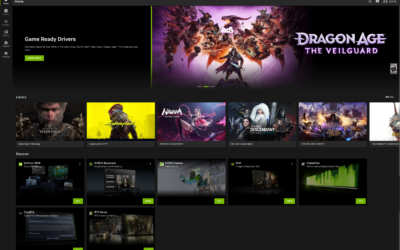
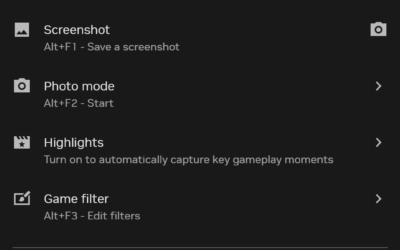
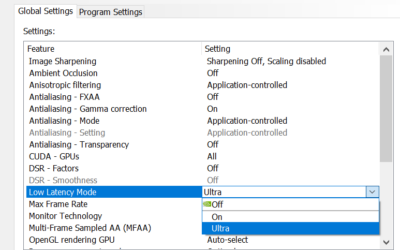
Another reason GeForce cards are so widely chosen is the software and features that accompany them, from tools that optimize game settings to technologies that boost performance and image quality. These extras add value beyond raw hardware and are well supported across many popular games, which is part of what makes a GeForce card feel like a complete package rather than just a piece of silicon.
Professional, Data Center, and AI
Beyond gaming, NVIDIA offers professional graphics hardware for creators and engineers, along with powerful data center products that drive artificial intelligence and high-performance computing. These are the chips behind much of the current AI boom, training and running advanced models at scale.
This side of NVIDIA’s business has grown enormously and is central to its current prominence, supplying the computing power behind modern AI. While most consumers will never buy these products directly, they underpin many of the AI services and technologies people use every day, highlighting how far NVIDIA’s influence extends beyond gaming.
For the average buyer, the relevance of this side of the business is mostly indirect, but it does reflect the company’s overall strength and direction. A firm at the center of the AI boom has strong incentives and resources to keep advancing its technology, which tends to benefit its consumer products too as innovations and features developed for professionals filter down into the cards gamers and creators actually buy.
Pros and Cons of Choosing NVIDIA
Weighing the trade-offs helps you decide. On the plus side, NVIDIA offers strong performance, a mature and well-supported software ecosystem, desirable features like advanced upscaling, broad compatibility, and a reputation for reliability. For many buyers, that combination makes NVIDIA a safe and capable choice.
On the downside, NVIDIA’s popularity and premium positioning can mean higher prices compared with some competitors, and its market dominance draws scrutiny over competition and pricing. Depending on your budget and needs, a rival product may offer better value in certain segments, so it is worth comparing rather than assuming NVIDIA is automatically the right pick for every situation.
Is NVIDIA Right for You?
Understanding the products is one thing; deciding whether NVIDIA suits your specific needs is another. A little thought about how you will use the hardware and what matters most to you makes the decision clear.
When NVIDIA Is the Best Choice
NVIDIA is often the best choice when you want strong, reliable performance, value its software features and broad support, or work in areas like AI and professional content creation where its ecosystem is particularly strong. For gamers who want a dependable, well-supported card, GeForce is a natural fit.
If you prioritize the specific features NVIDIA offers, such as its upscaling technology, or need its professional and AI capabilities, the brand is hard to beat. In these cases, the performance and ecosystem justify choosing NVIDIA, making it the sensible pick for a wide range of demanding users.
It is also a strong choice for those who value peace of mind, since its broad support and mature drivers mean fewer compatibility surprises across games and applications. For buyers who would rather not spend time troubleshooting and simply want hardware that works well with whatever they throw at it, that reliability is a meaningful part of NVIDIA’s appeal beyond raw performance figures.
What to Consider Before Buying
Before buying, consider your budget, your specific needs, and how NVIDIA’s offerings compare with alternatives in the segment you are shopping. For some price points and uses, a competitor may deliver better value, so comparing options rather than defaulting to the biggest name is always wise.
It also helps to match the specific product to your actual requirements, since buying far more capability than you need wastes money, while buying too little leads to disappointment. Thinking about how you will really use the hardware ensures you choose the right NVIDIA product, or a suitable alternative, rather than simply the most familiar option.
Frequently Asked Questions About NVIDIA
These quick answers resolve the questions that most often come up about NVIDIA.
Is NVIDIA better than the competition? NVIDIA offers strong performance and a mature ecosystem, but the best choice depends on your budget and needs, so comparing options in your segment is wise.
What is NVIDIA best known for? Its GeForce graphics cards for gaming and, increasingly, the powerful chips behind much of modern artificial intelligence.
See More:
Final Thoughts on NVIDIA
NVIDIA is a dominant force in technology for good reason, offering strong performance, a mature software ecosystem, and products that span from gaming graphics to the hardware behind modern AI. For most buyers, its GeForce cards are a reliable, capable choice backed by excellent support and desirable features, while professionals and organizations benefit from its specialized hardware. The main considerations are price and matching the right product to your needs, since competitors sometimes offer better value in specific segments. Identify the tier that fits your use, compare it against alternatives in that segment, and match the specific model to your real needs. Weigh those factors, and you can decide with confidence whether NVIDIA, with its strong performance and mature ecosystem, is the right choice for your particular situation, or whether a competitor offers better value for what you actually do.
As an Amazon Associate we earn from qualifying purchases at no extra cost to you.





Write Your Review
No reviews yet. Be the first to share your experience!