


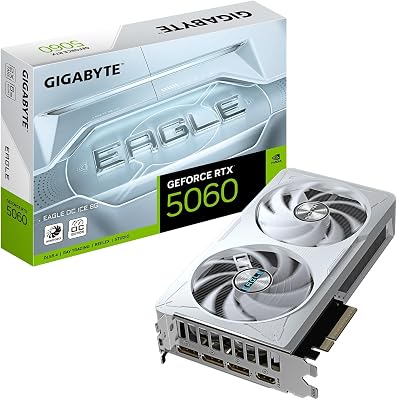
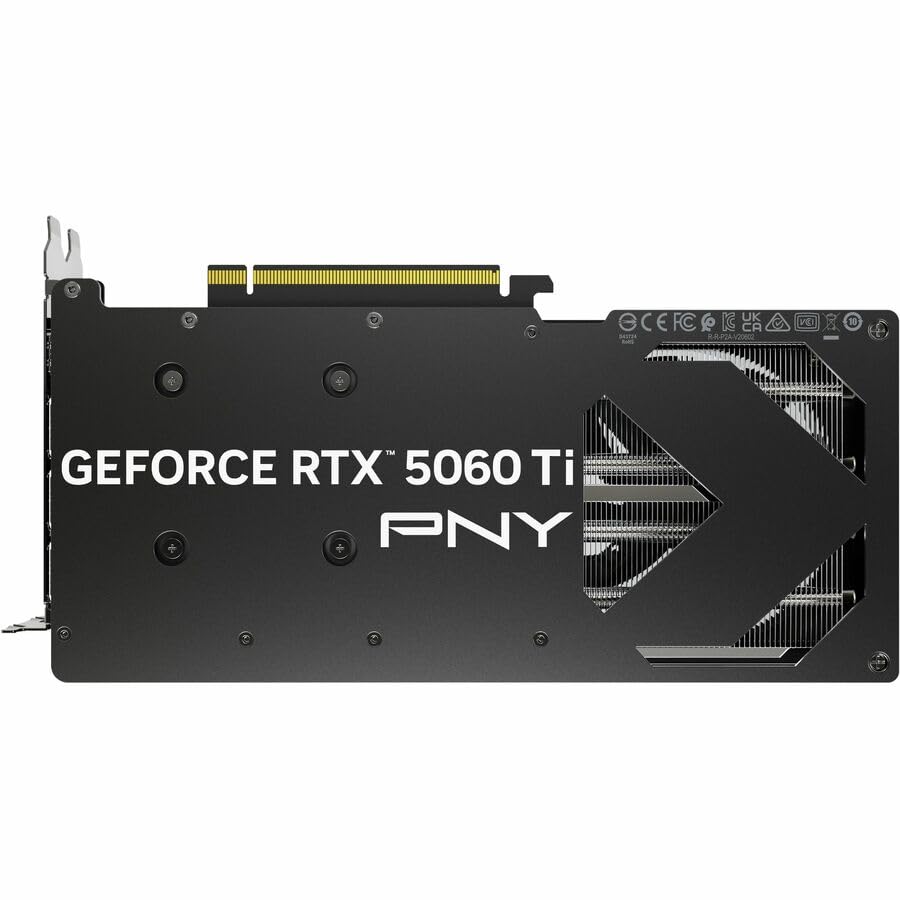

RTX 5080 vs 5060 is really a question about where each card sits in NVIDIA’s lineup, because these two are separated by a wide gap in price and performance. If you are comparing them, you likely want to understand what each is built for and which one your needs actually call for. This comparison lays out the specs side by side, explains the gulf between them honestly, and tells you which card fits which buyer so you can decide with clarity.
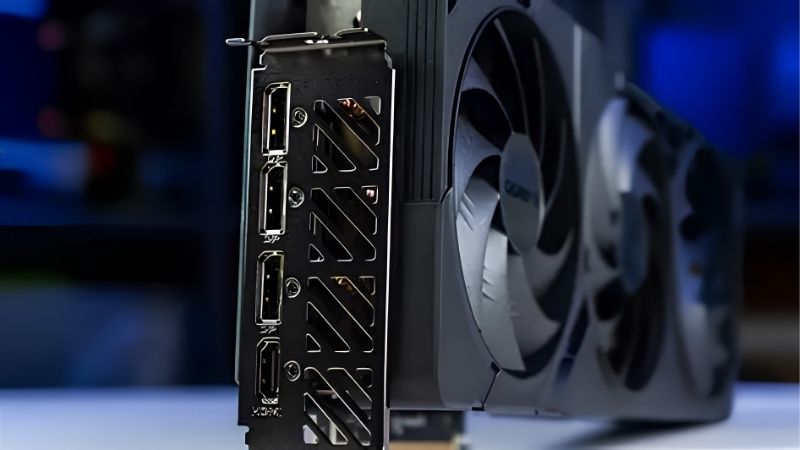
The Quick Verdict: RTX 5080 vs 5060
For readers who want the answer immediately: the RTX 5080 is a high-end 4K card and the RTX 5060 is a mainstream 1080p card, so this is less a fair fight than a matter of matching the card to your resolution and budget. The 5080 is far faster and far pricier; the 5060 is far more affordable and far more modest. Below, the specs make the gap concrete.
The Performance Gap Explained
The 5080 sits near the top of the current GeForce lineup, while the 5060 anchors the mainstream. The performance difference between them is large, not incremental, reflecting their very different positions in the product stack.
In practice this means the 5080 is built to drive demanding 4K gaming, while the 5060 targets smooth 1080p and entry 1440p. Comparing their raw frame rates directly is less useful than recognizing they are designed for different resolutions and budgets.
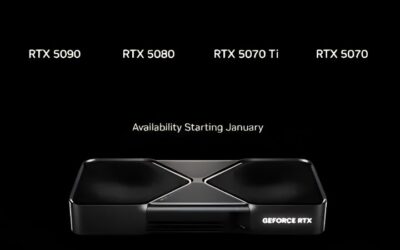
To put the gap in perspective, the 5080 sits several tiers above the 5060 in the lineup, with the 5070 and 5070 Ti positioned in between. That is not a small step but a series of them, which is why the performance and price differences are so large and why direct comparison mostly serves to clarify which tier you belong in.
Who Each Card Is For
The 5080 is for enthusiasts and 4K gamers who want high-end performance and are willing to pay for it, along with creators and demanding users who need serious horsepower and memory. It is a premium purchase for a premium need.
The 5060 is for mainstream gamers who play at 1080p or entry 1440p and want a capable card at an accessible price. It covers the needs of the largest group of players without the cost of a high-end card.
Is It Even a Fair Comparison?
Honestly, this is not a head-to-head between rivals but a look at two very different points in the same family. The 5080 and 5060 do not compete for the same buyer, so the real question is which tier your needs and budget place you in.
Framing it this way is more useful than declaring a winner. The 5080 wins on raw performance by a wide margin, but that only matters if you need and can afford it; for many buyers, the 5060 is the sensible choice precisely because the 5080 is overkill.
The most common mistake with a comparison like this is buying more card than your setup can use. A 5080 paired with a 1080p monitor spends most of its power producing frames the display cannot show, which is wasted money, while a 5060 asked to drive 4K will struggle. Matching the tier to your actual resolution is the single most valuable decision here.
Full Specs Comparison Table: RTX 5080 vs 5060
Numbers cut through marketing, so here is the core specification face-off. The VRAM and class rows tell the story, because they capture just how differently these two cards are positioned.
| Spec | RTX 5060 | RTX 5080 |
|---|---|---|
| Architecture | Blackwell | Blackwell |
| Class | Mainstream | High-end |
| VRAM | 8 GB (16 GB on some variants) | 16 GB GDDR7 |
| Target Resolution | 1080p, entry 1440p | 4K high-refresh |
| Relative Performance | Modest | Far higher |
| Power Draw | Low | High |
| Price | Affordable | Premium |
Architecture, VRAM, and Class
Both cards use the same Blackwell architecture and share its feature set, so they are siblings rather than different technologies. The difference is scale: the 5080 has far more compute and memory than the 5060, which places them in entirely different performance classes.
Memory is a clear divide. The 5080’s 16 GB of GDDR7 supports demanding 4K textures and heavy creative or AI workloads, while the 5060’s smaller buffer is sized for mainstream 1080p gaming. That gap in memory reflects the gap in intended use.
It is worth noting that the 5060 is available in different memory configurations depending on the variant, and a larger-buffer version narrows the memory gap somewhat for buyers who need more headroom. Even so, the 5080’s memory and compute together place it firmly in a different class, so the configuration choice on the 5060 is about longevity within its tier rather than closing the gap to the 5080.
Power, Cooling, and Case Needs
The practical demands of the two cards differ dramatically. The 5080 is a power-hungry, large card that needs a substantial power supply, good case airflow, and physical clearance for a big cooler, so it belongs in a capable build.
The 5060 is a modest, efficient card that fits easily into compact and mainstream systems with a modest power supply. If you are building a small or budget PC, the 5060’s practical friendliness is a real advantage, while the 5080 demands a more serious host system.
Pros and Cons of Each Card
The RTX 5080’s pros are high-end 4K performance, a 16 GB buffer, and strong capability for demanding games and creative work. Its cons are its premium price, high power draw, and large size that demands a capable build.
The RTX 5060’s pros are its accessible price, low power draw, compact-friendly size, and solid 1080p performance with shared Blackwell features. Its cons are its modest performance relative to higher tiers and, on the 8 GB variant, a smaller memory buffer.
Neither card is better in the abstract; each is better for its intended buyer. The 5080 is the right tool for 4K and demanding work, while the 5060 is the right tool for accessible mainstream gaming.
Deep Dive Face-Off: Performance, Features, and Timing
With the specs established, this section compares the cards on what actually shapes daily use: real-world frame rates across resolutions, the shared feature set, and the market timing that determines when you should buy.
Frame Rates at 1080p, 1440p, and 4K
At 1080p, both cards perform well, and the 5060 is entirely comfortable here, which is its home resolution. The 5080 is overkill at 1080p, delivering far more frames than most 1080p monitors can display.
At 1440p the 5080 pulls clearly ahead, and at 4K the gap becomes decisive: the 5080 is built for high-refresh 4K while the 5060 is not a 4K card. Matching the card to your monitor’s resolution is the single most useful takeaway from this comparison.
This is why your monitor should drive the decision more than any benchmark. A 1080p or 1440p player is served well and economically by the 5060 or a mid-tier card, while only a 4K high-refresh setup truly justifies the 5080. Buying the card your display can actually exploit is how you get the most value from either choice.
DLSS 4 and Shared Blackwell Features
Because both cards are Blackwell, they share the same feature set, including DLSS 4 with Multi Frame Generation. This means the 5060 gets the same modern upscaling and frame-generation technology as the 5080, which stretches its performance meaningfully in supported games.
That shared feature set is genuinely helpful for mainstream buyers, since DLSS 4 lets the more affordable 5060 punch above its weight. The 5080 still has far more raw power, but the 5060 is not missing the software advantages, which narrows the experiential gap in supported titles more than the raw specs suggest.
Buy Now or Wait? 2026 Pricing
Timing deserves its own analysis because the market is unusual right now. Graphics card prices trended upward and have not fully released that pressure, though the steep climb of late 2025 eased into relative stability, even as analysts warn volatility is not over. The panic phase passed; a real discount did not arrive.
Anyone hoping to wait for cheaper cards should temper expectations. New memory supply is opening up, but the factories that would loosen pricing are not expected to run until 2027 to 2028. For a card you need now, waiting exposes you to volatility with little near-term upside, which nudges the practical buyer toward acting while pricing is stable rather than gambling on a distant payoff.
The Middle Ground and Final Recommendation
Because these two cards sit so far apart, the most useful advice often points to the ground between them, followed by a clear framework for who should buy each. This closes the loop on the RTX 5080 vs 5060 decision.
The Cards Between Them
The gap between the 5080 and 5060 is filled by the 5070 and 5070 Ti, which are worth serious consideration for many buyers. If the 5060 feels too modest but the 5080 is too expensive, these middle cards deliver high-refresh 1440p and capable 4K at a more accessible price.
For a buyer torn between the extremes, the honest recommendation is often to look at the middle of the lineup. A 5070 or 5070 Ti with 16 GB frequently hits the sweet spot between the 5060’s modest ambitions and the 5080’s premium cost.
This middle ground is where a large share of buyers actually land once they weigh their monitor, their games, and their budget honestly. Rather than forcing a choice between a mainstream card and a premium one, the mid-tier options let you buy exactly the performance you need without overspending or underbuying.
Who Should Buy the RTX 5080
Choose the 5080 if you game at 4K, want high-end performance, or need serious power for creative and AI workloads, and if your budget and build can support a premium, power-hungry card. For demanding users, it delivers the horsepower that lesser cards cannot.
It is the right choice when your monitor and your workloads genuinely justify high-end hardware, and when you want headroom to keep the card relevant for years at demanding settings.
Who Should Buy the RTX 5060
Choose the 5060 if you play at 1080p or entry 1440p, want an affordable and efficient card, or are building a compact or budget system. For the largest group of mainstream gamers, it delivers a capable experience with modern features at an accessible price.
It is also the sensible pick when the 5080’s performance would simply go unused because your monitor and games do not demand it, which is the case for many buyers. Buying to your actual needs rather than to the top of the range is how a mainstream gamer gets the best value.
For the largest segment of gamers, who play at 1080p on a budget, the 5060 is not a compromise but the correct tool, delivering modern Blackwell features and smooth performance at a price that makes sense for their setup.
See More:
- NVIDIA GeForce Game Ready Driver
- NVIDIA CUDA Toolkit Archive
- Gigabyte GeForce RTX 5070 Windforce OC
- AMD Radeon RX 9070 XT vs NVIDIA GeForce RTX 5070
- PNY GeForce RTX 5070 Ti Triple Fan
Conclusion
The RTX 5080 vs 5060 comparison is less a contest than a map of the lineup: the 5080 is a premium 4K powerhouse, while the 5060 is an accessible mainstream 1080p card, and they share the same Blackwell features including DLSS 4. Match the card to your resolution and budget, and consider the 5070 or 5070 Ti if you fall between them. With 2026 pricing stable but unlikely to drop soon, the buyer who needs a card now is best served by choosing the tier their needs call for. Compare current prices through the links below and buy the one that fits how you actually play.
Frequently Asked Questions
How large is the performance gap between the RTX 5080 and RTX 5060?
It is enormous. The 5080 has 10752 CUDA cores with 16GB of GDDR7 on a 256-bit bus, while the 5060 has 3840 cores and 8GB on a 128-bit bus. In practice the 5080 delivers roughly two and a half to three times the frame rate, which matches the price gap between them.
Which resolution is each card designed for?
The RTX 5080 is a 4K card capable of high refresh 4K gaming with ray tracing and DLSS 4. The RTX 5060 is a 1080p card that can stretch to 1440p with upscaling and adjusted settings. Buying a 5060 for a 4K monitor leads to heavy compromises in texture and effect quality.
What are the power supply differences?
The 5080 is rated at 360W and NVIDIA recommends an 850W system supply with a 12V-2×6 connector, ideally an ATX 3.1 unit with a native cable. The 5060 draws about 145W, needs a single 8-pin, and runs happily on 550W. Upgrading to a 5080 usually means a PSU upgrade too.
Is the 5080 worth roughly three times the price?
Only if your monitor and CPU can exploit it. Paired with a 4K high refresh display and a fast CPU, the performance scales roughly with price. On a 1080p 60Hz panel you would be almost entirely CPU limited, and the money is far better spent elsewhere in the build.
Does the VRAM difference matter for future games?
Yes. The 5060’s 8GB is already restrictive with ultra texture packs, while the 5080’s 16GB has ample headroom for 4K ray tracing. If you want a card that stays comfortable for four or five years, capacity is a bigger long-term factor than raw shader count.

Write Your Review
No reviews yet. Be the first to share your experience!