
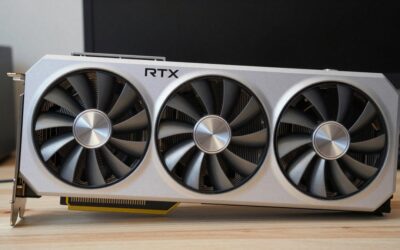
- Top Pick: Sapphire 11348-03-20G Pulse AMD Radeon™ RX 9070 XT Gaming Graphics Card with 16GB GDDR6, AMD RDNA 4
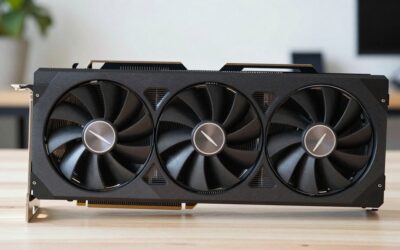
- Best Value: ASUS Prime Radeon RX 9070 XT 16GB GDDR6 OC Edition Gaming Graphics Card
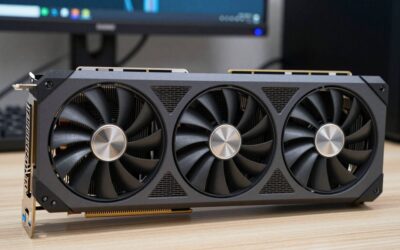
- Premium Choice: ASRock Radeon RX 9070 XT Taichi 16GB OC, RDNA 4, 3100MHz Boost, 16GB GDDR6 256-bit, PCIe 5.0, Taichi 3X Cooling, Dual BIOS, Polychrome SYNC
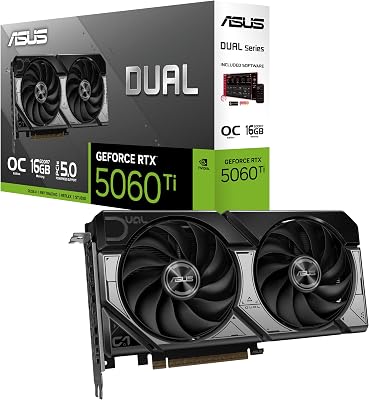
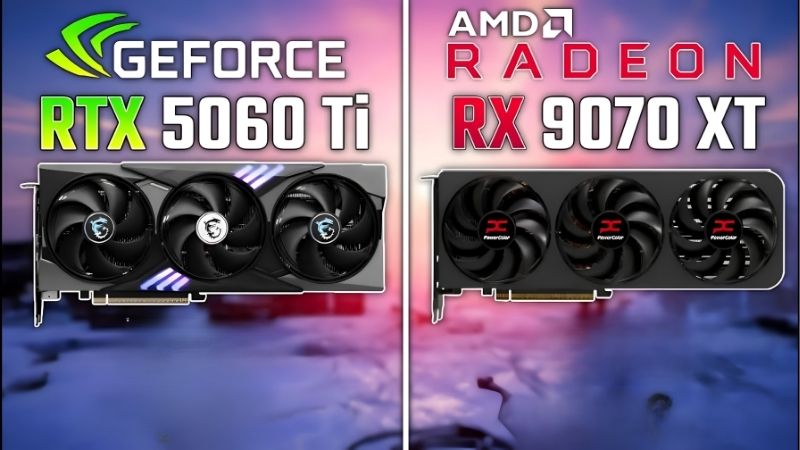
5060 Ti 16GB vs 9070 XT is a matchup that pits sensible value against raw horsepower, and the right answer depends entirely on your budget and your target resolution. On one side sits Nvidia’s RTX 5060 Ti 16GB, a $429 card built for efficient 1440p gaming with the full DLSS 4 feature set. On the other is AMD’s RX 9070 XT, a roughly $599 card that plays in a distinctly higher performance class altogether. This comparison lines up the numbers, the features, and the real 2026 cost of each so you know exactly which one deserves your money rather than guessing from a spec sheet alone.


The Quick Verdict: 5060 Ti 16GB vs 9070 XT
These two cards are not really in the same weight class, so the quick verdict comes down almost entirely to how much you are willing to spend and what you realistically expect in return for it. Here is the compressed answer for the impatient before the detailed, criterion-by-criterion breakdown further down the page. The short version is that one card optimises for value and efficiency while the other optimises for raw speed, and knowing which of those you care about most settles the question faster than any benchmark chart.
As an Amazon Associate we earn from qualifying purchases at no extra cost to you.


Quick Verdict For Budget 1440p Gaming
If your main priority is solid 1440p gaming at the lowest sensible price, the RTX 5060 Ti 16GB is comfortably the smarter buy. It delivers a strong, dependable 1440p experience with a full 16GB of VRAM while drawing dramatically less power from the wall than its rival.
Its real trump card is DLSS 4 Multi Frame Generation, which uses AI to multiply frame rates in supported titles well beyond native levels. For the money involved, it is an efficient, feature-rich card that covers mainstream 1440p gaming needs comfortably and leaves your power supply with plenty of headroom to spare.
Choose this card if you want the best overall balance of price, efficiency, and features rather than chasing the single highest frame-rate number on a chart. For a very large share of buyers, that sensible balance is exactly the right call to make.
Quick Verdict For High-Refresh 1440p And Entry 4K
If you want genuine high-refresh 1440p or a real taste of 4K gaming, the RX 9070 XT is the clear and decisive winner, sitting a full performance tier above the RTX 5060 Ti in raw rasterization power across essentially every demanding game.
That extra performance costs roughly $170 more up front and a good deal more electricity over the card’s life, but in return you get frame rates the 5060 Ti simply cannot reach at demanding settings. It is unmistakably the card for buyers who prioritise outright performance over efficiency and running cost.
Pick the 9070 XT if your budget can comfortably stretch to it and you want real headroom for several years of high-settings play at 1440p and occasionally beyond. It is the more future-proof of the two by a clear margin.
5060 Ti 16GB vs 9070 XT Specs And Price Snapshot
The clearest way to see the real gap between these two cards is to line up their core specifications and prices in one place. Skim this table first, then read the short analysis directly beneath it for what those raw numbers actually translate to once you are gaming.
| Specification | RTX 5060 Ti 16GB | RX 9070 XT |
|---|---|---|
| Architecture | Blackwell | RDNA 4 |
| Compute units / cores | 4,608 CUDA | 64 CUs |
| VRAM | 16GB GDDR7 | 16GB GDDR6 |
| Approx. TDP | ~180W | ~304W |
| Upscaling | DLSS 4 Multi Frame Gen | FSR 4 |
| MSRP | $429 | $599 |
The headline takeaway is that these cards share a generous 16GB memory buffer but very little else of substance. The 9070 XT trades a much higher power draw for a much higher level of performance, while the 5060 Ti wins decisively on both efficiency and price. That single trade-off frames the entire comparison from start to finish.
Deep Dive Face-Off: 5060 Ti 16GB vs 9070 XT By Criteria
With the quick answer out of the way, here is the detailed head-to-head across the three areas that genuinely decide this purchase: raw performance and value per dollar, the competing software and feature ecosystems, and the honest strengths and weaknesses that each card brings to the table for a real buyer. Take the section that matches your priorities most closely, then skim the others to make sure nothing there changes your thinking before you spend.
Raw Performance And Value Per Dollar
In pure rasterization, the RX 9070 XT is substantially faster, competing near a much pricier tier of Nvidia card entirely. At demanding 1440p settings it opens a clear, consistent lead over the RTX 5060 Ti that grows as you push resolution and detail higher.
The value question, however, is more nuanced than raw frames suggest. The 9070 XT costs roughly 40% more than the 5060 Ti, so you are paying a very real premium for that extra performance. Whether it is worth it depends entirely on whether you will actually use the headroom you are paying for day to day.
For a strict value-per-frame calculation at mainstream settings, the cheaper 5060 Ti often looks like the efficient, sensible pick. For buyers specifically chasing the highest sustainable frame rates their budget allows, the 9070 XT’s raw speed comfortably justifies its higher asking price. The honest way to decide is to be realistic about the settings and resolution you actually play at most nights, rather than the ones you imagine using once or twice a year.
DLSS 4 Versus FSR 4 And Ray Tracing
Features are where Nvidia meaningfully narrows the raw-performance gap between these cards. The RTX 5060 Ti’s DLSS 4 Multi Frame Generation is a mature, widely supported technology that can dramatically lift frame rates, partly offsetting the 9070 XT’s raw advantage in the growing list of supported games.
AMD’s FSR 4 has improved significantly this generation and is now genuinely competitive rather than a clear runner-up, but Nvidia’s ecosystem still holds an edge in both the sheer breadth of game support and overall image stability. If upscaling quality is important to how you play, this factor deserves real weight in your decision.
Ray tracing also historically favours Nvidia’s architecture, though the considerably more powerful 9070 XT closes much of that traditional gap through sheer brute force. In practice both cards handle ray tracing at 1440p perfectly well, just by leaning on different underlying strengths to get there.
Pros And Cons Of Each Card
Laying out the trade-offs of each card directly side by side makes the final decision feel concrete and manageable rather than abstract and overwhelming.
RTX 5060 Ti 16GB — pros: a lower price, far better power efficiency, mature and broadly supported DLSS 4, a full 16GB of VRAM, and easy compatibility with modest power supplies. Cons: noticeably slower in raw rasterization and less headroom for high-refresh or 4K gaming.
RX 9070 XT — pros: much higher raw performance, a strong 16GB VRAM buffer, and genuine high-refresh 1440p plus entry-level 4K capability. Cons: a higher purchase price, far higher power draw and heat, and an upscaling ecosystem that still trails Nvidia’s by a small but real margin.
Read together, the two lists point at two different buyers rather than a single winner. The 5060 Ti is the efficiency-and-value choice that keeps your build cool, quiet, and affordable, while the 9070 XT is the performance-first choice for someone who will genuinely push demanding settings and does not mind the extra heat and electricity that come with that power. Neither card is objectively wrong; the wrong choice is only the one that does not match how you actually play.
Pricing, Alternatives, And The Final Call
The last factor is cost in the real 2026 market, where memory pressure and a couple of strong alternatives can meaningfully shift the maths. Treat this section as the practical, wallet-focused counterweight to all the raw benchmark numbers discussed above. A card that looks like the obvious winner on a performance chart can quietly become the wrong buy once its real street price and running costs are factored in, so this is where the decision gets grounded in what you will actually spend.
How 2026 Memory Prices Affect The Matchup
Both of these cards carry a full 16GB of VRAM, which places them squarely in the segment most affected by the current memory market. Through late 2025, surging AI datacenter demand drove DDR5, SSD, and especially high-VRAM graphics-card prices upward by roughly 20% across the board.
There is cautiously positive news to hold onto. Prices have stopped climbing as steeply as they did at the end of 2025, and some manufacturers have reported a spell of relative stability while still openly warning of possible future volatility. New supply is also coming from DDR5 sources such as CXMT and from two new Micron plants currently being built in Idaho.
The catch, as always, is timing, because those new plants are not expected to ramp until 2027–2028. For this matchup that means both cards may well sit above their MSRP figures, so the real prices you actually see on the shelf — not the sticker numbers — should drive your final choice. If one card happens to be discounted closer to MSRP than the other, that alone can easily tip the whole decision.
The Alternative If Neither Card Fits
If the 9070 XT feels a little too expensive but the 5060 Ti feels a touch too slow for your ambitions, the Nvidia RTX 5070 slots neatly between the two, offering more performance than the 5060 Ti while keeping the complete DLSS 4 feature suite intact.
On the pure value end of the scale, a well-priced RX 9060 XT 16GB undercuts both of these cards while still keeping a generous memory buffer, which makes it well worth a look if raw budget efficiency is your single biggest goal. It is always worth checking current pricing on all three before you finally decide.
The broader point is that this matchup does not exist in a vacuum. Because the 5060 Ti and 9070 XT sit at different price points, the cards immediately above and below them are legitimate parts of the same decision, and a temporary discount on any of them can reshape the value picture overnight. Keep the whole ladder in view rather than fixating on just these two.
See More:
Final Verdict And Recommendation
Buy the RTX 5060 Ti 16GB if you want efficient, feature-rich 1440p gaming at the lowest sensible price and you genuinely value DLSS 4 and low power consumption. It is the right and sensible call for the clear majority of mainstream buyers shopping this segment.
Buy the RX 9070 XT instead if your budget can comfortably absorb the premium and you want a real, tangible step up in raw performance for high-refresh 1440p and entry-level 4K gaming. It is unambiguously the enthusiast’s pick of the two cards here, and the one to choose if longevity matters to you.
To finally settle the 5060 Ti 16GB vs 9070 XT debate: the 5060 Ti wins clearly on price, efficiency, and features, while the 9070 XT wins just as clearly on raw power for those willing to pay for it. With 16GB cards under continued price pressure through 2026, buying the right one for you at a fair price sooner beats waiting for relief. Check today’s real prices through the link below and grab the card that best matches your budget and your target resolution today.
Frequently Asked Questions
Which card is actually faster in raw rasterisation?
The Radeon RX 9070 XT is in a clearly higher performance class. It fields 64 RDNA 4 compute units on a 256-bit bus with roughly double the memory bandwidth of the RTX 5060 Ti, and it draws around 300 watts to the NVIDIA card’s 180. Expect it to be well over 50 percent faster at 1440p, with the lead growing at 4K.
If both have 16GB, does VRAM decide the matchup?
No. Both cards carry 16GB, so neither runs out of memory in current titles at sensible settings. That removes VRAM from the argument entirely and pushes the decision onto raw shader throughput, bandwidth, ray tracing behaviour and upscaling ecosystem, all of which the 9070 XT leads on except for NVIDIA’s more mature software features.
How different is ray tracing performance between them?
RDNA 4 substantially improved AMD ray traversal, so the 9070 XT is no longer badly outclassed the way earlier Radeon cards were. It generally stays ahead of the 5060 Ti even in ray traced workloads because of its much larger shader array. NVIDIA retains an edge in heavy path traced showcase titles where its dedicated hardware and ray reconstruction denoiser do more work.
What power supply and case clearance should I plan for?
The RTX 5060 Ti is happy on a 550 watt unit and fits almost any case, often in two slots. The 9070 XT wants a quality 750 watt supply with two 8-pin connectors, and partner cards are typically triple fan designs over 320mm long and close to three slots thick, so measure your case before buying.
Which is the smarter buy for a 1440p high refresh build?
If your target is 1440p at 100fps or more with settings turned up, the 9070 XT is the card that gets you there without leaning on upscaling. The 5060 Ti 16GB makes sense for smaller cases, weaker power supplies, or workloads that specifically benefit from CUDA, NVENC AV1 encoding and DLSS 4 multi frame generation.
Ready to decide? Our #1 pick for 2026 is the Architecture.
Live price & availability on Amazon.

Write Your Review
No reviews yet. Be the first to share your experience!