


Nvidia marketplace is what people search when they want to buy genuine Nvidia hardware without getting burned — but “marketplace” can mean the official store, authorized retailers, big online marketplaces, or the used market, and each carries different risks and prices. With GPU prices still elevated in 2026, knowing where and how to buy matters as much as knowing what to buy. This review maps out the places you can purchase Nvidia products, how to tell genuine listings from scams, and how to judge a fair price in the current market, so you end up with the right card from a trustworthy seller instead of overpaying or getting cheated.
As an Amazon Associate we earn from qualifying purchases at no extra cost to you.






What “Nvidia marketplace” means for buyers
The first step to buying safely is understanding your options, because the word “marketplace” hides several very different channels. Each has its own trade-offs in price, selection, buyer protection, and risk, and matching the channel to your priorities is what keeps a purchase smooth. Here is how the main routes compare.
Official store, authorized retailers, and marketplaces
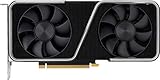
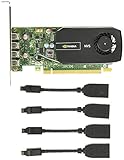
You can buy Nvidia-based cards through Nvidia’s own channels, through authorized retailers, or through large online marketplaces that host many third-party sellers. Official and authorized routes offer the strongest assurance of genuine, warrantied products, while broad marketplaces offer the widest selection and often competitive pricing but require more care in choosing the seller.
The analytical point is a trade-off between assurance and selection. Authorized channels minimize risk; open marketplaces maximize choice and price competition. For most buyers, a reputable marketplace with strong buyer protection strikes the best balance, combining wide availability with recourse if something goes wrong.
It also helps to know that most cards are made by board partners rather than Nvidia itself, so the “genuine Nvidia” you are looking for is usually a partner card built around an Nvidia chip. That is completely normal and expected — the thing to verify is that the seller and the listing are legitimate, not that the box carries a particular brand. Understanding this removes a common source of confusion, where buyers worry a partner-branded card is somehow not authentic when it is exactly what the market sells.
Spotting genuine products and avoiding scams
In any marketplace, the key skill is separating legitimate listings from bad ones. Genuine listings come from established sellers with solid ratings, clear product photos, accurate model names, and realistic prices. Warning signs include prices far below the market, vague descriptions, brand-new sellers with no history, and pressure to complete a sale off-platform.
The practical rule is that if a deal looks too good to be true in a tight market, it usually is. Sticking to sellers with strong track records and using platforms that protect buyers is the single most effective way to avoid counterfeit or non-existent products.
A few extra habits harden your defenses. Read recent reviews of the specific seller, not just the overall star rating, since patterns of complaints about wrong or non-delivered items are a clear red flag. Pay through the platform’s protected checkout rather than any method that moves the transaction off-site, because that is where buyer protection actually applies. And be wary of listings that use stock images only, with no real photos of the actual item, especially in the used market. None of this takes long, and together these checks eliminate the overwhelming majority of marketplace risk before you ever spend a cent.
New versus used marketplaces
New and used channels serve different needs. New purchases bring full warranty and guaranteed condition, which matters most for expensive cards. Used marketplaces can stretch a budget, but require extra diligence about condition, remaining warranty, and seller reputation.
In a market where prices are high, the used route is tempting, but the gap between used and new has narrowed in some cases. Always compare the used price against a new one for the same or next-tier card before deciding, because sometimes the warranty and peace of mind of new is worth the modest premium.
There is a reason the used market stays firm in a tight period: when new-card prices climb, demand spills over to secondhand stock and pulls those prices up too. That means a used listing is not automatically the bargain instinct says it should be. The disciplined move is to run the new-versus-used comparison every single time rather than assuming, since in some months a lightly used card saves you a lot and in others it barely undercuts a new one that still carries a full warranty.
Getting a fair deal in today’s market
Choosing a channel is half the job; judging the price is the other half. In 2026’s elevated market, the difference between a fair price and an inflated one is not always obvious, so knowing what drives prices and how to compare listings is what protects your budget.
Why prices and availability vary
Current market conditions explain a lot of the price spread you will see. Component and memory costs have kept GPU prices elevated into 2026, and that pressure ripples through every channel, pushing street prices above reference figures and making availability uneven across sellers.
This matters because it reframes what “expensive” means. A price that looks high against a year ago often reflects genuine upstream cost pressure rather than a seller gouging you. Understanding that keeps you from dismissing every listing as overpriced and helps you recognize a genuinely fair number when you see it, even if it is higher than you hoped. It also guards against the opposite mistake — assuming that because prices are high, any discount must be a great deal. In a market lifted by real cost pressure, a suspiciously cheap listing is more likely a warning sign than a bargain, which loops straight back to vetting the seller carefully.
How to compare listings
The reliable way to judge a price is to check the going rate for the exact card across several sellers and treat the low end of that real-world range as a good deal. Comparing like-for-like — same model, same condition, same warranty — prevents you from being misled by a cheap-looking listing that is actually a lesser variant or a used unit.
Factoring in shipping, seller reputation, and return policy completes the picture. The cheapest sticker is not always the best deal once protection and reliability are weighed, and a slightly higher price from a trusted seller often represents better value overall.
Timing your purchase
Market news should shape your timing. Prices have flattened after the steep climb of late 2025, and some hardware makers report a stretch of relative stability, though they warn volatility is not over. New memory supply is opening up, but the plants that would ease prices are not expected to run until 2027 to 2028, so meaningful relief is years away.
The takeaway for a buyer is that waiting for a big drop is a weak bet against the supply chain’s own timeline. If you need a card now, buying at a fair price in a stabilized market is more sensible than holding out for a discount that is not on the horizon. Treat the current calm as a window to buy at a known price rather than the start of a decline you can wait out.
There is a nuance that helps you act with confidence rather than anxiety. A flat market is genuinely good news if you were bracing for further increases, because it means the price you see today is unlikely to jump next week — but the same makers reporting stability keep warning about renewed volatility, so it is not a decline you can safely ride down either. The sensible interpretation is that the market has handed you a period of predictable pricing, and predictable is exactly what you want when making a considered purchase. Use it to lock in a fair price from a trustworthy seller instead of trying to time a bottom that the supply forecasts do not support.
Buying smart from start to finish
With channels and pricing understood, the final step is executing a safe purchase. This means weighing the trade-offs of each buying route, running a few checks before you commit, and choosing a platform where your money is protected. A little discipline here turns a nervous purchase into a confident one.
Pros and cons of each buying channel
Because this is a review of where to buy, here is the honest comparison of the main Nvidia marketplace channels.
| Channel | Pros | Cons |
|---|---|---|
| Official / authorized | Genuine, warrantied, lowest risk | Limited stock, less price competition |
| Large marketplaces | Wide selection, competitive prices, buyer protection | Must vet the individual seller |
| Used marketplaces | Lowest prices, budget-friendly | Condition and warranty risk, more diligence needed |
The verdict is that a reputable large marketplace with strong buyer protection usually offers the best mix of selection, price, and safety for most people. Authorized channels win on pure assurance, and used routes win on price for diligent buyers willing to accept more risk.
What to check before you buy
Before committing, confirm the exact model and variant, the seller’s rating and history, the warranty status, and the return policy. These few checks catch the vast majority of problems, from mismatched variants to unreliable sellers, and take only a couple of minutes.
For used purchases, add questions about the card’s age, usage, and condition. A seller who answers clearly and provides good photos is a reassuring sign; evasiveness is a reason to walk away and find another listing.
Where to buy with confidence
Once you know your model and a fair price, the safest path is a well-established marketplace that protects buyers and hosts reputable sellers. That combination gives you selection, competitive pricing, and recourse if anything goes wrong — the balance most buyers actually want.
The efficient move is to compare current listings and seller ratings for the exact card you want, then buy from the best-protected offer at a fair price. You can check today’s live prices and reputable sellers on Amazon and secure your Nvidia card with confidence rather than risking a questionable deal elsewhere.
See More:
- Nvidia CEO LinkedIn
- Nvidia driver rollback
- Nvidia roll back driver
- RX 9070 XT vs 5060 Ti
- Nvidia driver uninstaller
Conclusion
Navigating the Nvidia marketplace safely comes down to choosing the right channel, spotting genuine listings, and judging a fair price in a market that remains elevated in 2026. Authorized channels offer the most assurance, large marketplaces the best balance of choice and protection, and used routes the lowest prices for careful buyers. With prices flattened but not falling and real relief years away, buying at a fair price now beats waiting on a drop that is not coming soon. Verify the model, the seller, and the warranty, then compare current listings on Amazon to buy your Nvidia hardware from a trustworthy source with confidence.
Frequently Asked Questions
Does Nvidia sell graphics cards directly to consumers?
Only in limited fashion. Nvidia’s site acts largely as a directory that links to authorized retailers and system integrators, and Founders Edition availability varies by region, historically through a single retail partner in the United States. Most cards you buy are made by board partners such as Asus, MSI, Gigabyte, Zotac and Palit.
How do I verify a card is genuine and not a relabeled fake?
Install GPU-Z and confirm the reported device ID, memory size, bus width and BIOS version match the official specification for that model. Check the serial sticker against the board partner’s warranty lookup. Fakes typically show mismatched bus widths, an unrecognized BIOS, or benchmark results far below the expected range for the model.
Why are prices above MSRP so often?
MSRP usually applies to a small number of reference specification cards. Partner models with better coolers, factory overclocks and higher build quality carry a premium, and memory contract pricing driven by AI demand has pushed component costs up. Regional taxes, tariffs and shipping add further, so street prices routinely exceed the announced figure.
Is buying from a marketplace seller safe?
Third party marketplace listings carry the most counterfeit and bait risk, particularly with older models and unusually low prices. Prefer sold and shipped by the retailer itself, confirm the returns window, and photograph the sealed box and serial on arrival. Register the card with the manufacturer immediately so warranty ownership is documented.
Should I buy a prebuilt to get a card at MSRP?
It can work out cheaper during shortages, since system integrators receive allocation at contract pricing. Check the rest of the specification carefully: cheap prebuilts often pair a good GPU with a low quality power supply, minimal case airflow, and slow single channel memory, all of which cost you the performance you paid for.
Ready to decide? Our #1 pick for 2026 is the Channel.
Live price & availability on Amazon.





Write Your Review
No reviews yet. Be the first to share your experience!