
- Top Pick: ASUS TUF Gaming GeForce RTX 5070 12GB GDDR7 OC EditionGaming Graphics Card
- Best Value: GIGABYTE GeForce RTX 5080 Gaming OC 16G Graphics Card, WINDFORCE Cooling System, 16GB 256-bit GDDR7, GV-N5080GAMING OC-16GD Video Card
- Premium Choice: ASUS TUF Gaming GeForce RTX™ 5080 16GB GDDR7 OC Edition Graphics Card


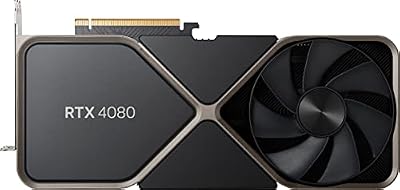
NVIDIA GPU prices are the first thing every buyer checks, and in 2026 the gap between MSRP and what you actually pay at checkout has never mattered more. You want the current price ladder laid out clearly, a plain explanation of why cards cost what they do, and a straight answer on when to buy, all without wading through a long video. This guide gives you the numbers across the whole stack and the smart moves that keep you from overpaying, so you can spend with confidence.
What NVIDIA GPU Prices Look Like Right Now
Before deciding anything, you need the current lay of the land. This section maps the RTX 50 series price ladder, explains the crucial difference between MSRP and real street price, and shows where genuine value sits across the stack, so the rest of your decision rests on solid numbers rather than guesswork or hype. Get these fundamentals straight and the rest of the buying process stops feeling like a gamble.
As an Amazon Associate we earn from qualifying purchases at no extra cost to you.


The RTX 50 Series Price Ladder
Here is the approximate reference price ladder across the current NVIDIA stack. These are MSRP-style figures, and street prices frequently run higher, so always confirm the live listing before you commit to any purchase. Prices shift week to week, so a figure that was accurate last month may already be stale today.
| Card | VRAM | Reference price | Best for |
|---|---|---|---|
| RTX 5060 | 8GB | ~$299 | 1080p |
| RTX 5060 Ti 16GB | 16GB | ~$429 | 1080p high-refresh, 1440p |
| RTX 5070 | 12GB | ~$549 | 1440p |
| RTX 5070 Ti | 16GB | ~$749 | 1440p high-refresh, 4K entry |
| RTX 5080 | 16GB | ~$999 | 4K |
| RTX 5090 | 32GB | ~$1999 | 4K max, AI, creators |
The ladder shows a clear progression from budget to flagship, but the value is not spread evenly across it; some tiers offer far better frames per dollar than others, and understanding that is the next step to buying well. Treat the ladder as a map of where your money goes furthest, not just a list of faster cards.
MSRP vs Street Price Reality
The single most important fact about nvidia gpu prices is that MSRP is only a starting point, not the price you actually pay. Ongoing demand and elevated component costs push street prices above reference, and the effect is strongest on premium, factory-overclocked models with heavy coolers.
The plainest board-partner designs usually sit closest to MSRP, while the flashy editions carry a premium you frequently do not need for the performance you get. Shopping the clean models near reference pricing is one of the easiest ways to save real money. The performance difference between a plain model and a premium one is usually tiny, while the price difference is not.
Practical read: judge every card by its live street price rather than its announced MSRP, or you will quietly overpay without ever realizing it. A quick habit of checking two or three retailers before buying pays for itself almost every time.
Price Per Frame Across the Stack
Analytically, the mid-range tiers tend to deliver the strongest price per frame, while the flagship carries a steep premium for the last increments of raw performance and features. The 5070 Ti, for instance, offers most of the usable gaming performance of pricier cards for far less outlay.
The 5060 Ti 16GB and the 5070 Ti are frequent value standouts precisely because they pair sensible pricing with enough VRAM to age well over several years. The 5090, by contrast, is about capability rather than value, and buyers should treat it that way from the start.
Value read: match the tier to your resolution and let price per frame, not raw specs or marketing, guide the pick you make. Chasing the biggest number on the box is how buyers end up overspending for frames they will never notice.
Why NVIDIA GPU Prices Are Where They Are
Understanding the market removes the guesswork from timing your purchase. This section explains the cost pressures behind current pricing, the relief that is genuinely coming but still distant, and what all of it means for the window in which you should actually buy. Understanding the why behind the price is what separates a confident buyer from an anxious one.
Component Costs and Rising Prices
Laptop and PC component prices have trended upward, and graphics cards have not been spared any of that pressure. Memory costs in particular have kept board prices elevated, which is a core reason nvidia gpu prices sit noticeably above where buyers remember them a generation ago. That shift is the backdrop to every purchase decision in the current market, whether buyers like it or not.
This pressure hits the entire stack, but it stings most on cards where VRAM makes up a large share of the total cost. It also explains why paying once for enough memory can be smarter than repeatedly upgrading into an ever-pricier market.
Practical read: elevated component costs are the main driver of current pricing, and they reward buying a card with enough headroom to comfortably last. Buying slightly more capacity once is often cheaper than upgrading again too soon in a market like this.
The Supply Relief Coming in 2027-2028
There is real good news, but it is modest and it firmly sits in the future rather than the present. Prices have stopped climbing as steeply as they did at the end of 2025, and some hardware makers report a relatively stable stretch, while still warning openly of ongoing volatility.
New supply is also opening up: OEMs can source DDR5 from Chinese suppliers such as CXMT, and Micron is building two plants in Idaho to expand output. The catch is that those fabs do not come online until roughly 2027 to 2028, so meaningful relief for buyers is still a couple of years away.
Timing read: prices have leveled rather than fallen, and genuine relief is years out, so waiting indefinitely for a price collapse is a weak and risky strategy.
What This Means for Your Buying Window
Because prices have stabilized rather than dropped, the smart window is right now for anyone who genuinely needs the performance, provided you buy near MSRP rather than at an inflated premium. Holding out for a dramatic crash risks leaving you on old, slow hardware for years with nothing to show for the wait. The market has punished patient buyers more often than it has rewarded them lately, which is worth remembering.
If you can comfortably wait a full generation, the 2027 to 2028 supply expansion may ease pricing, but that is a very long horizon for most gamers with real needs today. For near-term upgrades, a near-MSRP purchase in the present is the rational call. The performance you gain today, spread across years of use, almost always outweighs the saving a long wait might deliver.
Buying-window read: buy now near reference pricing if you need it, and only wait if you can genuinely hold out for a couple of years.
How to Buy at the Right NVIDIA GPU Price
Knowing the market is only useful if it changes what you actually do at checkout. This section turns the analysis into concrete action: matching the card to your resolution, weighing the pros and cons of buying now versus waiting, and pinpointing exactly where the best value sits across the stack today.
Match the Card to Your Resolution
The fastest way to avoid overpaying is to buy for your monitor, not for bragging rights or future what-ifs. A 1080p player rarely needs more than a 5060 or a 5060 Ti 16GB, while a 1440p high-refresh player is well served by a 5070 or a 5070 Ti.
Buying a flagship for a 1080p screen simply wastes money, and buying a budget card for a 4K panel wastes the panel you already paid for. Aligning the two is the single biggest saving that most buyers overlook entirely. That single habit, buying for your resolution, saves more money than any coupon or sale ever will.
Practical read: pick the tier your resolution actually needs, then shop that specific tier for the best available street price.
Pros and Cons of Buying Now vs Waiting
Here is the honest pros and cons view on timing your purchase against current nvidia gpu prices, so you can make the call with clear eyes.
Buying now pros: prices have stabilized, you get the performance and DLSS 4 immediately, and near-MSRP listings do exist if you shop carefully. Cons: you are buying into an elevated market rather than a cheap one, which stings.
Waiting pros: the 2027 to 2028 supply expansion could eventually ease pricing. Cons: relief is years away, prices could stay flat or even rise, and you spend that entire stretch on aging hardware. For the large majority of buyers, the balance clearly favors buying now near MSRP. Waiting only makes sense if you can genuinely tolerate years on your current setup.
Where the Best Value Sits Today
Across the current stack, the mid-to-upper mid tiers tend to offer the strongest blend of price, performance, and VRAM longevity. The 5060 Ti 16GB and the 5070 Ti are common value picks for exactly that reason, and they suit the widest range of buyers. They hit the sweet spot where price, speed, and memory all line up for typical 1080p and 1440p players.
The flagship remains a capability purchase rather than a value one, and the cheapest cards can be a false economy if their limited VRAM constrains you within a year or two. Aiming for the tier that lasts is the smarter long-term play. A cheap card that runs out of VRAM in a year is rarely the bargain it first appears to be.
Value read: the smart money usually lands in the middle of the stack rather than at either extreme. Use the button below to check live prices across these tiers before you buy.
See More:
- RX 9060 XT vs RTX 4060
- NVIDIA Jetson price
- NVIDIA GeForce GTX 1650 driver
- Intel Iris Xe graphics driver
- 9060 XT 16GB vs 5060 8GB
Final Verdict on NVIDIA GPU Prices
The bottom line on nvidia gpu prices in 2026 is that MSRP is only a starting point, the market is elevated but stabilizing, and real relief from new supply is still years away. Your job is to buy for your resolution, judge each card by its live street price rather than its announced MSRP, and target the mid-stack tiers where value tends to concentrate. Waiting for a crash is a weak plan, so if you need the performance now, a near-MSRP purchase is the rational move rather than an indefinite wait. Use the button below to check current NVIDIA GPU prices across the stack and lock in the best deal while pricing holds steady.
Frequently Asked Questions
Why do NVIDIA cards rarely sell at their announced reference price?
Reference priced models are produced in limited quantity, while most retail stock is partner cards carrying larger coolers, factory overclocks, and higher build costs. Add rising memory prices driven by AI datacentre demand and the practical street price for a given tier often sits meaningfully above the announced figure.
Which GeForce tier offers the best value right now?
The midrange usually does. The RTX 5060 Ti 16GB and RTX 5070 sit at the point where you get enough memory and bandwidth for 1440p without paying the exponential premium of the top tier. The 5090 has the worst cost per frame by a wide margin despite being the fastest card.
Does waiting for the next generation save money?
Sometimes. A new launch tends to push previous generation prices down and resets what each price bracket buys, but availability at launch is usually poor and early street prices run high. If your current card still meets your needs, waiting is low risk. If it does not, waiting costs you usable months.
Are Founders Edition cards cheaper than partner models?
They are typically priced at the reference figure, which makes them the cheapest way to buy a given tier when you can find one. Stock is limited and sales are often region restricted, so treat them as a target rather than a plan and be ready to buy a well cooled partner card instead.
How should I judge whether a deal is genuinely good?
Compare cost per frame against the card you are replacing and against competing AMD options at the same price, not against the original launch MSRP. Also factor in the power supply you might need, since a cheap high wattage card that forces a new PSU is not the bargain it appears.
Ready to decide? Our #1 pick for 2026 is the Card.
Live price & availability on Amazon.



Write Your Review
No reviews yet. Be the first to share your experience!