
Did Nvidia invent the GPU is a question that sparks surprisingly lively debate, because the honest answer is both yes and no depending on what you mean by invent. Nvidia certainly gave the world the term GPU and shipped the first product to carry that name, yet graphics chips existed well before it. This review untangles the real history, explaining exactly what Nvidia did in 1999, what came before, why the claim is contested, and what the company genuinely deserves credit for. Once you separate the marketing from the milestone, the picture becomes clear and easy to explain to anyone.
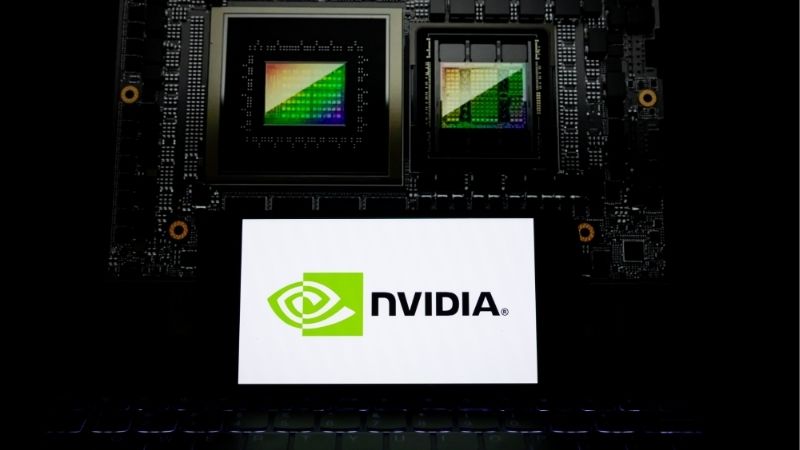
Did Nvidia Invent the GPU? The Real Answer
The truth sits between the marketing and the myth, so it is worth laying out clearly. Nvidia’s role was pivotal, but it was not the whole story of graphics hardware.
The Short Answer
The short answer is that Nvidia did not invent graphics chips, but it did coin the term GPU and ship the first product marketed as one. In that specific sense, Nvidia can fairly claim to have created the GPU as we know it today. The distinction matters, because the answer changes depending on whether you mean the concept or the branded product.
Graphics accelerators and dedicated graphics hardware existed for years before Nvidia’s landmark product. What Nvidia did was define and popularise a new category, giving it the name that stuck. In doing so it turned a loose collection of accelerator technologies into a single, clearly branded idea that everyone could rally around.
So whether Nvidia invented the GPU depends entirely on definitions. It invented the term and the branded product, not the broader idea of graphics processing. Holding that distinction in mind resolves almost all the confusion around the question.
What Nvidia Did in 1999
In 1999, Nvidia launched the GeForce 256 and marketed it as the world’s first GPU, a single chip that integrated several graphics functions onto one processor. This was a genuine milestone in how graphics hardware was designed and sold. It reframed graphics silicon as a single, unified processor rather than a collection of separate helpers.
The GeForce 256 combined the key stages of rendering, including transform and lighting, into one dedicated chip capable of high polygon throughput. Bringing these together on a single processor set it apart from earlier hardware. Rather than spreading graphics work across the system, the design concentrated it where it could be handled most efficiently, which was the point Nvidia emphasised.
This launch is the moment most people point to when crediting Nvidia with the GPU. It was as much a marketing and branding achievement as a technical one, and both mattered. The name gave the technical leap a memorable identity that the wider public could latch onto.
Graphics Chips That Came Before
Long before the GeForce 256, other companies built graphics accelerators that handled parts of the rendering process in hardware. Names like 3dfx, ATI and others produced popular 3D accelerators throughout the 1990s. These cards drove a boom in 3D gaming and were genuinely impressive for the era they belonged to.
These earlier chips accelerated specific graphics tasks but did not integrate the full pipeline in the way Nvidia later marketed. They were powerful for their time and genuinely advanced 3D gaming. Gamers of the late 1990s owe a great deal to these accelerators, which made immersive 3D worlds possible on home computers for the first time.
Acknowledging this history is essential to answering the question honestly. Nvidia built on a foundation laid by many earlier graphics innovations rather than starting from nothing. Recognising those predecessors does not diminish Nvidia’s achievement; it simply places it in context.
What Inventing the GPU Really Means
Because the answer hinges on definitions, it helps to look closely at what Nvidia specifically introduced. The distinction between a graphics chip and a GPU is the heart of the debate.
Coining the Term GPU
One of Nvidia’s clearest contributions was coining and popularising the term GPU, or graphics processing unit. Before this, such hardware was usually called a graphics accelerator or 3D accelerator. The older terms were accurate but clunky, and none of them captured the public imagination the way GPU did.
By naming the category, Nvidia shaped how the entire industry and the public would talk about graphics hardware. That linguistic legacy alone is a significant and lasting achievement. Coining a term that an entire global industry then adopts is a rare feat, and it gave Nvidia an outsized voice in defining the field it competed in.
Today the term GPU is universal, used far beyond Nvidia’s own products. That widespread adoption traces directly back to the company’s 1999 branding. Even competitors now use the term Nvidia coined, which is a quiet testament to its influence.
The Transform and Lighting Breakthrough
A key technical argument for Nvidia’s claim is that the GeForce 256 moved transform and lighting calculations onto the graphics chip itself. Previously, much of this work relied on the computer’s main processor. Offloading it to dedicated hardware was a meaningful shift in how the whole system shared its workload.
By handling these calculations in dedicated hardware, the GPU freed up the main processor and boosted 3D performance meaningfully. This integration was a real step forward in graphics architecture. Shifting heavy geometry and lighting maths off the main processor let games grow more ambitious without overwhelming the rest of the computer.
Supporters argue this integration is precisely what separates a true GPU from an earlier accelerator. It is the strongest technical basis for the invention claim. For supporters, this single feature is what turns a mere accelerator into a genuine processing unit.
Why the Claim Is Debated
Critics point out that many features of the GeForce 256 built on ideas and hardware that already existed. From this view, Nvidia refined and integrated rather than invented from scratch. In technology, integration and refinement are common, and where you draw the line often decides the answer.
Others note that the professional and workstation graphics world had advanced hardware before consumer GPUs arrived. The line between accelerator and GPU can look more like marketing than a hard technical boundary. Where exactly one category ends and the other begins has never been settled by any neutral standard, which leaves plenty of room for disagreement.
Because of this, the claim is best seen as partly technical and partly promotional. Both perspectives contain real truth, which is why the debate endures. The question survives precisely because neither a flat yes nor a flat no tells the whole story.
Nvidia’s Legacy and What People Say
Beyond the strict question of invention lies the bigger picture of Nvidia’s impact. Here is how the arguments weigh up and why the company’s influence is undeniable.
The Case For and Against
Here is the honest ledger on whether Nvidia truly invented the GPU.
The case for: Nvidia coined the term GPU, shipped the first product called one, and integrated transform and lighting onto a single chip. The case against: graphics accelerators existed for years before, and Nvidia built on established ideas rather than starting from zero.
Weighing both, the fairest verdict is that Nvidia invented the GPU as a named, integrated category, not graphics processing itself. That nuance satisfies both sides of the debate. It gives the pioneers their due while still recognising that Nvidia changed the game in 1999.
Nvidia’s Lasting Impact on Graphics
Regardless of the invention question, Nvidia’s influence on graphics hardware is enormous and beyond dispute. Its products and branding shaped the direction of the entire industry for decades. Competitors and partners alike organised much of their strategy around the category Nvidia had named.
From gaming to professional visuals and later artificial intelligence, the GPU concept Nvidia popularised became foundational to modern computing. Few naming and design decisions have proved so influential. The ripple effects reached far beyond gaming, eventually underpinning entire fields such as scientific computing and machine learning.
This lasting impact is arguably more important than the semantic question of invention. Nvidia’s real legacy is how thoroughly it defined what a GPU would become. That definitional power, more than any single chip, is what secured the company’s place in computing history.
Common Misconceptions
A frequent misconception is that Nvidia built the very first graphics chip, which the history clearly contradicts. Earlier accelerators were real and important, and ignoring them distorts the story. Anyone claiming Nvidia made the first graphics chip is simply overlooking a decade of prior hardware.
The opposite misconception, that Nvidia merely rebranded existing technology, is also unfair. The GeForce 256 introduced genuine integration that advanced the field, not just a new label. Dismissing it as pure rebranding ignores the real engineering that went into consolidating the graphics pipeline onto one chip.
The accurate view lies between these extremes, crediting Nvidia for a real milestone within a longer history. Holding both facts at once is the key to understanding the topic. A balanced answer respects the earlier pioneers while still crediting Nvidia’s genuine breakthrough.
See more:
- Nvidia gear store
- Nvidia number of employees
- Nvidia Jetson Xavier Developer Kit
- GeForce graphics driver
Conclusion: So, Did Nvidia Invent the GPU?
So, did Nvidia invent the GPU? The most accurate answer is that Nvidia invented the GPU as a named, integrated category with the 1999 GeForce 256, coining the term and combining transform and lighting onto a single chip, but it did not invent graphics hardware, which existed for years before. The debate endures because the claim is part genuine technical milestone and part clever marketing, and both are true at once. What is beyond question is Nvidia’s enormous, lasting influence on graphics and computing, which matters far more than the semantics of who invented the GPU.
Frequently Asked Questions
Did Nvidia actually invent the GPU?
Nvidia invented the term and popularized it, launching the GeForce 256 in 1999 and marketing it as the first graphics processing unit. The claim rested on integrating transform and lighting, triangle setup and rendering on a single chip. Programmable graphics hardware existed before that in workstation form.
What graphics hardware existed before the GeForce 256?
Silicon Graphics workstations used dedicated geometry engines through the late 1980s and 1990s. On PCs, 3dfx Voodoo, ATI Rage, Matrox and S3 all shipped 3D accelerators that handled rasterization while the CPU performed transform and lighting. Sony also shipped a dedicated geometry processor in the original PlayStation.
What made the GeForce 256 genuinely different?
It moved the transform and lighting stage off the CPU and onto the graphics chip, so vertex math no longer competed with game logic. Combined with four pixel pipelines and later DDR memory, this let systems with modest processors push far more polygons than previous rasterizer-only accelerators could.
Does the definition of a GPU still mean the same thing?
No. Modern GPUs are massively parallel general-purpose processors with unified shader cores, tensor units for matrix math and hardware ray tracing engines. The fixed-function transform and lighting pipeline that defined the original claim disappeared entirely once programmable shaders arrived with the GeForce 3 and DirectX 8.
Who really deserves credit for the modern GPU?
Credit is genuinely shared. Silicon Graphics defined the graphics pipeline, 3dfx made consumer 3D acceleration mainstream, ATI and later AMD drove unified shaders, and Nvidia coined the terminology, integrated the pipeline and later opened it to general compute with CUDA, which shaped what GPUs became.
As an Amazon Associate we earn from qualifying purchases at no extra cost to you.












Write Your Review
No reviews yet. Be the first to share your experience!