
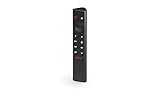
- Top Pick: NVIDIA Shield Remote; Voice Search, Motion-Activated, Backlit Buttons, Customizable Menu Buttons, and IR Blaster to Control Your TV (930-13700-2500-100)
- Best Value: Xiaomi Android Google TV Box S 3rd Gen, 4K UHD TV Box Dolby Vision Atmos & DTS:X, 2GB + 32GB Storage WiFi 6 HDMI 2.1 360° Bluetooth Remote Voice Control for Television Internet Smartphones Streaming
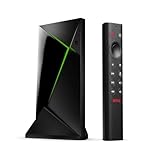
- Premium Choice: NVIDIA Shield TV Pro 8 GB Wi-Fi Ethernet LAN Black 4K Ultra, W125800849 (Ethernet LAN Black 4K Ultra HD Shield TV Pro, Tegra X1+, 2048 MB, 8 GB, MicroSD (TransFlash),)

Prime
Best Seller
NVIDIA Shield Android TV Pro | 4K HDR Streaming Media Player High Performance, Dolby Vision, 3GB RAM, 2X USB, Works with Alexa, Model:945-12897-2500-101


The nvidia shield pro has held a near-legendary reputation among streaming enthusiasts for years, but the honest question in 2026 is whether it still earns its premium price. This review looks past the marketing at what the Shield TV Pro actually delivers day to day: its performance, its standout AI upscaling, its strength as a Plex media server, and the real complaints owners raise. By the end you will know exactly who this device is for and whether it deserves a spot under your television.
As an Amazon Associate we earn from qualifying purchases at no extra cost to you.



What Makes the Nvidia Shield Pro Stand Out
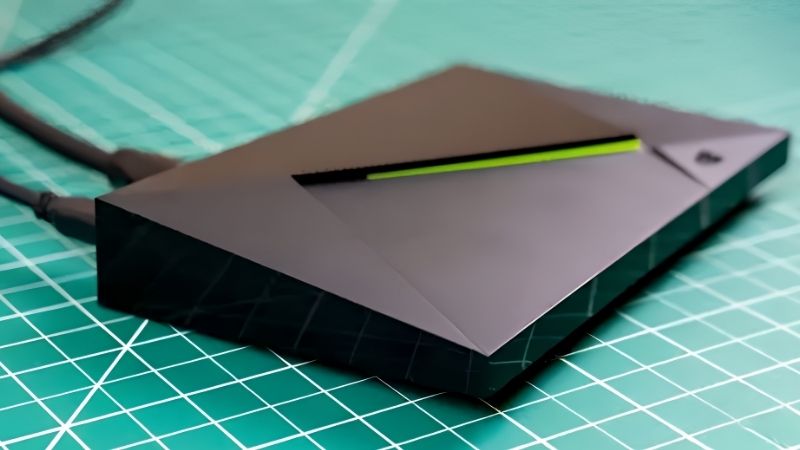
Plenty of streaming boxes exist, so it helps to understand why the Shield Pro commands attention and a higher price than most rivals. Its combination of a capable processor, unique upscaling, and genuine expandability sets it apart from the crowd of cheap streaming sticks, and those differences shape the entire experience of using it.
Performance and the Tegra X1+ Chip
At the heart of the Shield TV Pro sits Nvidia’s Tegra X1+ processor, a chip noticeably faster than the basic silicon found in budget streamers. In practice this means apps open quickly, menus stay responsive, and the device rarely feels like it is struggling under load.
That extra headroom matters over the long term. Cheaper boxes often slow to a crawl within a couple of years as apps grow more demanding, whereas the Shield Pro’s stronger chip has helped it stay smooth well beyond the lifespan of typical streamers.
The Pro also carries more memory than the standard Shield, which helps with multitasking and heavier apps. For anyone who hates the sluggishness of a bargain streaming device, this responsiveness is the first thing they notice and appreciate.
It is also worth noting how that speed shapes long-term satisfaction. A responsive box makes everyday tasks like searching a catalog, resuming a show, or switching apps feel effortless, and those small moments add up over years of use. Buyers who have suffered through a laggy budget streamer often describe the Shield Pro as a genuine relief by comparison.
AI Upscaling to 4K
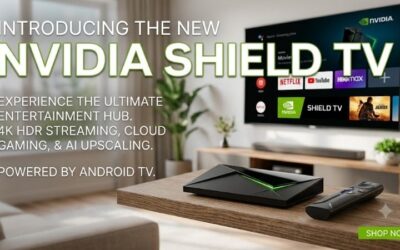
The Shield Pro’s signature feature is its AI-enhanced upscaling, which intelligently sharpens lower-resolution video toward 4K in real time. Older HD content and streams that would look soft on other devices gain clarity and detail that genuinely impresses on a large television.
This is the forward-looking technology that keeps the device relevant. It borrows the kind of AI processing Nvidia is known for in graphics, applying it to everyday streaming rather than gaming, and the result is a visible upgrade to content you already watch.
It is not flawless on every source, and results vary with the quality of the original stream. Still, for a library full of HD shows and older films, the upscaling is a standout reason buyers choose the Pro over cheaper alternatives.
Storage, Ports, and Expandability
Where most streaming sticks lock you into their limited built-in storage, the Shield Pro offers real expandability. Its two USB 3.0 ports let you add external drives, connect peripherals, or expand storage for apps and media, which is rare in this category.
That expandability unlocks uses far beyond simple streaming. You can attach a hard drive full of movies, plug in a game controller, or add accessories, turning the device into a flexible hub rather than a single-purpose box.
For power users, this is a defining advantage. The ability to grow the device around your needs is a large part of why the Shield Pro has such a loyal following among home-theater enthusiasts.
Living With the Nvidia Shield Pro Every Day
Specs only tell part of the story; what matters is how the device performs in real living-room use. From streaming your favorite apps to gaming and running a media server, the Shield Pro fits into daily life in ways that reveal both its strengths and its price justification. Here is what ownership actually feels like.
Streaming Apps and Picture Quality
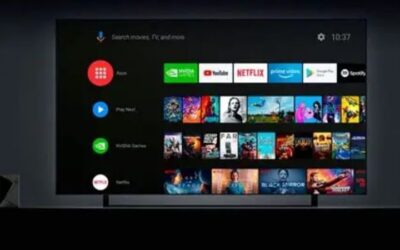
The Shield Pro runs Android TV, giving it access to a huge library of streaming apps alongside excellent format support, including Dolby Vision and Dolby Atmos for premium picture and sound on compatible setups.
Picture quality is a consistent highlight. Between native 4K HDR playback and the AI upscaling on lower-resolution content, the device delivers a polished image across a wide range of sources, which is exactly what a home-theater buyer wants.
App performance stays smooth thanks to the capable hardware, so switching between services and browsing large catalogs feels fast. This day-to-day responsiveness is a big part of the premium experience the Pro is known for.
Gaming: GeForce NOW and Android Games
The Shield Pro doubles as a gaming device in ways most streamers cannot match. Through GeForce NOW cloud gaming, it can stream demanding PC titles to your television without a gaming rig, using Nvidia’s servers to do the heavy lifting.
It also runs a selection of Android games natively and supports game controllers through its USB ports and Bluetooth. For casual living-room gaming, this versatility adds real value on top of the streaming features.
This gaming angle is a genuine differentiator, and it is the experimental side of the device that connects it to Nvidia’s wider strengths. For a household that wants streaming and light gaming in one box, it is a compelling combination.
The cloud-gaming angle deserves emphasis because it future-proofs the device in an unusual way. Since the heavy work happens on Nvidia’s servers, the games you can play keep improving without your hardware aging, which means the Shield Pro can stream demanding new titles it could never run locally. For a living room without a gaming PC, that is a rare and valuable capability.
As a Plex Server and Smart Home Hub
One of the Shield Pro’s most loved roles is as a Plex Media Server. Its extra power and USB storage let it host and stream your personal media library to other devices around the home, a task that overwhelms lesser streamers.
It can also act as a smart home hub in some configurations, tying together compatible devices and adding functionality beyond entertainment. These extra roles help justify the higher price for the right household.
For media enthusiasts, the Plex capability alone can be the deciding factor. It transforms the device from a simple streamer into the center of a home media setup, which is a practical, everyday benefit owners frequently cite.
Pros, Cons, and Is It Worth Buying?
No device is perfect, and a smart buyer weighs the genuine drawbacks against the strengths before spending premium money. Drawing on what owners consistently report, here is an honest assessment of where the Shield Pro shines, where it frustrates, and who should actually buy one.
The Pros and Cons Owners Highlight
The pros are well established. Owners praise the Shield Pro’s speed and longevity, its excellent AI upscaling, its Dolby Vision and Atmos support, its expandability, and its standout Plex and gaming capabilities. Many describe it as the best streaming device they have owned.
The cons are just as consistent. The most common complaint is the high price compared with basic streamers, followed by the fact that the current hardware has been on the market for a while, leaving some buyers wishing for a newer model.
Weighed together, the sentiment is that the Shield Pro is a premium device that earns its price for enthusiasts, and an overspend only for those who want simple, basic streaming and nothing more.
Who the Shield Pro Is Really For
The Shield Pro suits the home-theater enthusiast who wants the best possible picture, values AI upscaling for a large HD library, and appreciates a device that stays fast for years. For that buyer, it is close to ideal.
It is also the clear pick for anyone who wants to run a Plex server, use cloud gaming on the big screen, or expand storage and peripherals. These power-user features are where the Pro separates itself from the pack.
If you only stream a few apps casually and do not care about upscaling, media serving, or gaming, a cheaper device will serve you fine. Matching the Pro’s strengths to your actual needs is the key to a satisfying purchase.
A useful way to decide is to list the features you will genuinely use. If AI upscaling, Plex, cloud gaming, and expandable storage each earn a checkmark, the Pro is easy to justify. If only one or two do, a cheaper device or the standard Shield may deliver the same real-world satisfaction for less money.
Alternatives and Where It Beats Them
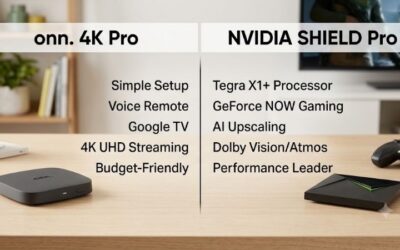
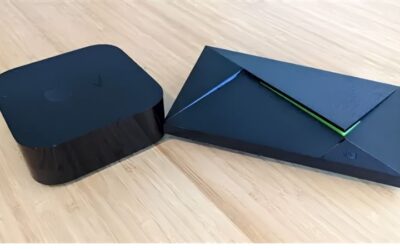
Budget streaming sticks cost far less and handle basic 4K streaming well, but they lack the Shield Pro’s power, upscaling, expandability, and gaming features. They are the right call only for simple needs and tight budgets.
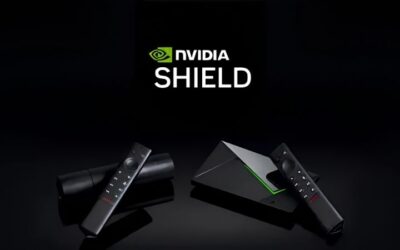
Within the Shield family, the standard tube-style Shield TV covers streaming beautifully in a smaller form, while the Pro adds the muscle for Plex and heavier tasks. Choosing between them comes down to whether you need those extra capabilities.
If the Pro’s blend of performance, upscaling, and expandability matches what you want, comparing current prices is the smart next step. Use the links on this page to check the latest Shield Pro deals and see whether it fits your setup and budget.
See More:
- nvidia meaning
- rx 9070 vs rx 9070 xt
- 9060 xt 16gb vs 5070 ti
- radeon rx 9070 xt vs 5080
- windows graphics driver update
Conclusion
Years after its release, the nvidia shield pro remains a top-tier streaming device for the right buyer, combining a fast processor, excellent AI upscaling, and standout Plex and gaming capabilities that cheaper boxes simply cannot match. Its premium price is easy to justify for enthusiasts and power users, and harder to justify for those who only want basic streaming. If its strengths line up with how you use your television, compare the latest Shield Pro prices through the links on this page and decide whether this streaming legend deserves a place in your home.
Frequently Asked Questions
Is the Shield TV Pro still fast enough in 2026?
Yes, for streaming. The Tegra X1+ chip and 3GB of RAM still load apps quickly and decode 4K HEVC and VP9 without stutter. It is showing age in raw CPU power compared with newer Google TV boxes, but for Netflix, Disney+, Plex and Kodi playback the interface remains smooth and responsive.
Does the Shield TV Pro support Dolby Vision and Dolby Atmos?
It does. The Pro outputs Dolby Vision HDR and passes through Dolby Atmos and DTS-X bitstreams to a compatible AV receiver or soundbar over HDMI. You need an HDMI 2.0b or newer port on the display side and, for Atmos, a receiver that decodes the format itself rather than the TV eARC chain alone.
Do I need the Pro model or is the Shield TV Tube enough?
Choose the Pro if you run a Plex Media Server, use USB storage, sideload lots of apps, or emulate retro consoles. The tube-shaped Shield has 2GB of RAM, no USB ports and no Plex server support. For plain streaming from Netflix and YouTube, the cheaper tube does the same job.
How good is the AI upscaling in real use?
The Pro upscales 720p and 1080p sources to 4K using a neural network running on the GPU. On cable feeds and older library content the result looks noticeably sharper than a typical TV scaler, though it can exaggerate compression artefacts. Set it to Medium for most content and Low for heavily compressed streams.
Will Nvidia keep updating the Shield TV Pro?
Nvidia has supported Shield for an unusually long time, with software updates arriving years after launch, but the hardware is now several generations old and major Android TV version jumps are unlikely. Expect security and app compatibility patches rather than new platform features, and budget for a replacement if you need the latest codecs.


Write Your Review
No reviews yet. Be the first to share your experience!