
- Top Pick: NVIDIA Shield Remote; Voice Search, Motion-Activated, Backlit Buttons, Customizable Menu Buttons, and IR Blaster to Control Your TV (930-13700-2500-100)
- Best Value: New P3700 Shield Voice Remote Control, Compatible with NVIDIA Shield TV and NVIDIA Shield TV Pro Streaming Media Player 2015/2017/2019 All Models
- Premium Choice: P3700 New Voice Replacement Remote Control Compatible with NVIDIA Shield TV & Shield TV Pro Streaming Media Player, All 2015/2017/2019 Models

Prime
Best Seller
NVIDIA Shield Android TV Pro | 4K HDR Streaming Media Player High Performance, Dolby Vision, 3GB RAM, 2X USB, Works with Alexa, Model:945-12897-2500-101


Tracking down your nvidia shield model number is the quickest way to know exactly which Shield TV you own, which apps and updates you can expect, and whether it is worth upgrading. Nvidia has released several Shield generations that look similar but differ under the hood, so the model number is your key to telling them apart. This guide shows you where to find it, how to decode it, what each generation offers, and how to decide whether to keep your current Shield or move to a newer one.
As an Amazon Associate we earn from qualifying purchases at no extra cost to you.



How to Find Your Nvidia Shield Model Number
Before comparing generations, you need to identify your device, and there are a few reliable places to look. Finding the model number takes only a minute, and it removes all the guesswork about which Shield you actually have. Here is exactly where to check.
Where to Look on the Device and in Settings
The fastest software method is through the menus: open Settings, then go to Device Preferences and About, where your Shield lists its device details and model information. This works even if you no longer have the original packaging.
Physically, the model number is usually printed on the bottom or underside of the unit, and on the label of the original box if you kept it. On the tube-shaped 2019 model, the small print is on the base near the connectors.
If you are checking a used unit before buying, ask the seller for the model number from Settings or the box. It is the single most reliable way to confirm the generation and avoid paying for an older model than you expected.
There is a simple reason this check is worth the extra minute. Listings for used Shields often use the generic name rather than the exact code, and prices vary widely between generations. Confirming the model number before you buy protects you from overpaying for a 2015 or 2017 unit that is dressed up in a vague description.
Reading the Model Number and Codes
Nvidia Shield model numbers typically appear as a code beginning with the letter P followed by four digits, such as P2897 or P3430. These codes map directly to specific generations and variants, which is why they matter more than the marketing name alone.
The marketing names can be confusing because several devices are simply called Shield TV or Shield TV Pro across different years. The P-code cuts through that, pinning down the exact release rather than the general product line.
Once you have the code, you can match it to a generation using the guide below. Writing it down now saves time when you check app compatibility or shop for accessories later.
Matching Model Number to Shield Generation
As a general guide, the 2019 Shield TV Pro commonly carries the code P2897, while the 2019 tube-style Shield TV uses P3430. The earlier 2015 and 2017 models use P2571-series codes, reflecting their shared underlying design.
Because Nvidia reused names across years, always trust the P-code over the label on the front. Two boxes marked Shield TV Pro can be different generations, and the model number is what tells them apart definitively.
If your code does not match these common ones exactly, note any letters or suffixes and check Nvidia’s official support pages, which list the full model breakdown. The point is to anchor your identification on the code, not the name.
Nvidia Shield Models and What Sets Them Apart
Knowing your model number is most useful once you understand how the generations differ. The Shield family has evolved in performance, features, and form factor over the years, and those differences affect what your device can do today. Here is how they compare.
The 2026 and 2026 Shields
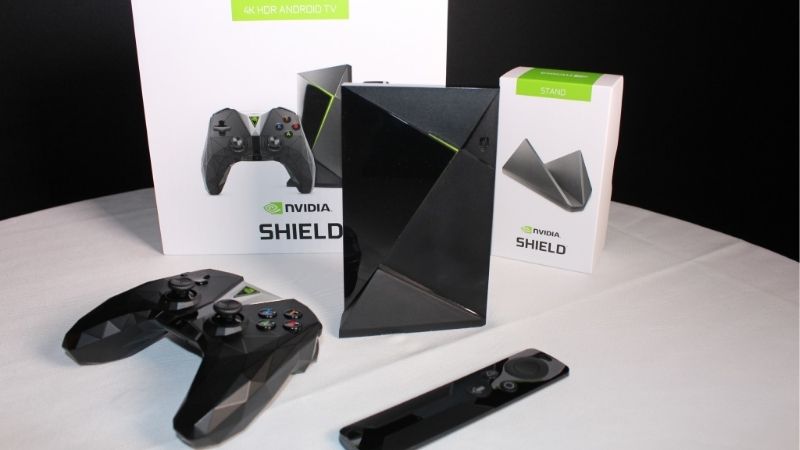
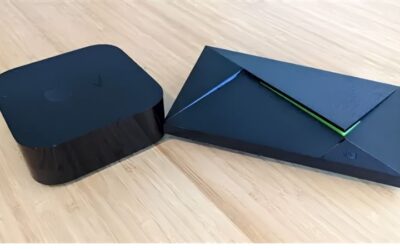
The original 2015 Shield and the refreshed 2017 model share a similar boxy design and internal platform. They introduced the Shield as a powerful streaming and gaming device, and many units are still in daily use for 1080p and 4K streaming.
These older models remain capable for core streaming, but their aging hardware shows in newer, more demanding apps and features. They are the generation most likely to feel slow as software requirements grow over time.
If your model number points to one of these, you own a durable but older device. It may still serve you well for basic streaming, though it sits furthest from the current experience.
For these earliest units, the deciding factor is usually app performance rather than raw streaming quality. If your favorite apps still launch and run acceptably, there is no rush; if they stutter or lag, that sluggishness is the clearest sign the generation is showing its age.
The 2026 Shield TV (Tube) and Shield TV Pro
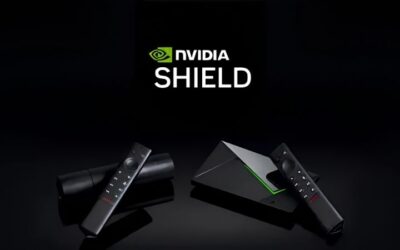
The 2019 lineup split into two forms. The tube-style Shield TV (P3430) is a compact cylinder aimed at streamers who want a tidy, capable device, while the Shield TV Pro (P2897) keeps the traditional box shape and adds more power and features.
The Pro is the enthusiast choice, with extra memory, more storage, USB ports for expansion, and the muscle for tasks like running a Plex media server or more demanding game streaming. The tube model covers streaming beautifully in a smaller footprint.
Both 2019 devices brought AI-enhanced upscaling that sharpens lower-resolution content toward 4K, a standout feature that helped them age well. For most buyers today, this generation represents the sweet spot of the Shield family.
Why Your Model Number Matters for Apps and Updates
The model number is not just trivia; it determines which software updates and app versions your device receives. Newer generations tend to get longer support and smoother performance in the latest streaming apps, while older ones can eventually fall behind.
It also guides accessory and remote compatibility, since controllers and remotes have changed across generations. Knowing your exact model prevents you from buying an accessory that does not pair with your unit.
In short, the model number is the practical starting point for almost any Shield question, from troubleshooting an app to planning an upgrade. It turns vague guesses into concrete answers.
This is also why support articles and forums almost always ask for the model number first. Rather than describing symptoms in the abstract, quoting your exact code lets others give precise, relevant advice. Keeping the number handy, whether written down or photographed, saves time every time you need help or want to check a feature.
Pros, Cons, and Choosing the Right Shield
Once you know what you own, the useful question becomes whether to keep it or upgrade. Weighing the trade-offs between older and newer models, and considering what other owners report, will help you decide where your money is best spent.
Pros and Cons of Older vs Newer Models
The pros of keeping an older Shield are obvious: no cost, familiarity, and perfectly good performance for basic 1080p and 4K streaming. If your device still does what you need, there is no urgency to replace it.
The cons appear over time. Older models receive fewer updates, feel slower in demanding new apps, and miss the AI upscaling and extra power of the 2019 generation. Those gaps widen as software keeps advancing.
Weighed together, an older Shield is fine for simple streaming and a candidate for replacement if you want the smoothest modern experience, the best upscaling, or features like local media serving.
Cost is the honest counterweight to all of this. A newer Shield, and the Pro in particular, carries a premium price, so the upgrade only makes sense if you will actually use the added power and features. For someone who simply streams a few apps in the living room, an older model that still works may remain the smarter value.
What Owners Say About Each Generation
Owner feedback praises the Shield line for longevity and versatility, with many users noting that even older units have lasted years of daily streaming. The 2019 Pro in particular earns strong marks for its power and Plex capabilities.
The common complaints center on older models slowing down and on the premium price of the Pro. Some owners of the earliest generations report sluggishness in newer apps, which is the clearest signal that an upgrade would help.
Read together, the sentiment is that the Shield remains a well-loved streaming device, with the 2019 generation viewed as the most future-proof and satisfying to own today.
Should You Keep or Upgrade Your Shield?
If your model number reveals a 2019 Shield TV or Shield TV Pro, you likely have plenty of life left and little reason to upgrade yet. Enjoy the AI upscaling and strong app support your generation provides.
If you own a 2015 or 2017 model that now feels slow, or you want the Pro’s power for media serving and demanding streaming, upgrading delivers a clear, noticeable improvement. A newer unit brings better performance, longer support, and modern features.
When you are ready to compare current Shield options and accessories, the links on this page are the quickest way to check prices and pick the model that fits your setup and budget.
See More:
- nvidia meaning
- rx 9070 vs rx 9070 xt
- 9060 xt 16gb vs 5070 ti
- radeon rx 9070 xt vs 5080
- windows graphics driver update
Conclusion
Your nvidia shield model number is the key that unlocks everything about your device: which generation you own, what updates and apps to expect, and whether an upgrade makes sense. Check it in Settings or on the underside of the unit, decode the P-code to pin down the exact release, and use that knowledge to decide between keeping a capable older Shield and stepping up to the more future-proof 2019 generation. When you are ready to upgrade, compare the latest Shield models through the links on this page and choose the one that best fits your streaming and gaming needs.
Frequently Asked Questions
Where do I find my Shield TV model number?
Go to Settings, then Device Preferences, then About, and scroll to the Model entry. The same code is printed on the underside of the unit and on the retail box near the barcode. If the device will not boot, the sticker on the chassis is the most reliable place to check.
What do the P-codes on the label mean?
Nvidia uses internal board codes beginning with P. Broadly, P2571 corresponds to the original 2015 Shield, P2897 to the 2017 and 2019 Pro chassis, and P3430 to the 2019 tube-shaped Shield. Matching the code tells you which firmware image, recovery package and accessory set applies to your unit.
How do I tell a Pro apart from a non-Pro Shield?
The Pro is the rectangular box with two USB-A ports and 16GB of storage. The standard 2019 model is a cylindrical tube with a microSD slot, 8GB of storage and no USB-A. If your About screen reports 3GB of RAM you have a Pro; 2GB indicates the tube.
Why does the model number matter for sideloading or recovery?
Nvidia publishes separate developer images and recovery ROMs per hardware revision. Flashing a package built for a different board can brick the device or break Dolby Vision output. Always confirm the model string and the current software version in the About screen before downloading any recovery or unlock image.
Does the model number affect which accessories work?
Yes. Remote and controller pairing differs between generations, and the 2019 remote is not fully interchangeable with the 2015 unit. Older Shield controllers use a different wireless stack than the current Bluetooth remote, so check the generation your model belongs to before buying second-hand accessories.


Write Your Review
No reviews yet. Be the first to share your experience!