
Top Rtx 5060 4070 More Vram Picks for 2026
Here are our current top rtx 5060 4070 more vram picks, compared on real Amazon owner reviews, price, and features. Live prices update below.
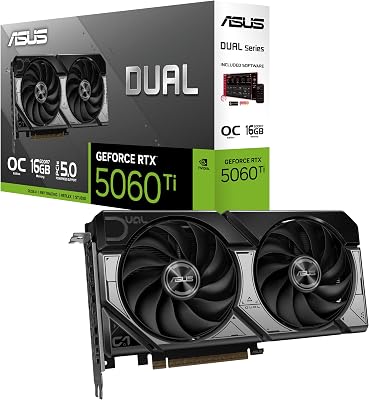


5060 Ti vs 4070 is a mid-range matchup that perfectly captures the central tension of this GPU generation: more VRAM and modern features versus more raw horsepower. The RTX 5060 Ti 16GB brings DLSS 4, low power, and a generous memory buffer at a lower price, while the RTX 4070 counters with more cores and stronger native performance. One favors efficiency and longevity; the other favors raw frames. This comparison weighs specs, real performance, power, and value so you can pick the right card for your build.
As an Amazon Associate we earn from qualifying purchases at no extra cost to you.


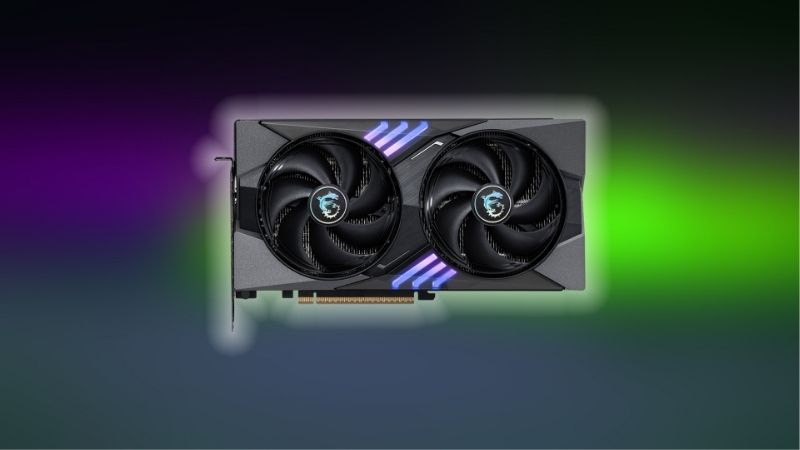
The Quick Verdict: RTX 5060 Ti vs 4070
Here is the fast answer: the RTX 4070 is faster in raw rasterization and better for native 1440p, while the RTX 5060 Ti 16GB wins on price, power efficiency, VRAM capacity, and DLSS 4 Multi Frame Generation. If you want the most performance now, the 4070 leads; if you want more VRAM, lower power, modern features, and better value, the 5060 Ti 16GB is compelling. Check live pricing for both, since the value balance shifts week to week in 2026, especially as the 4070 is now a used-market card.
The 30-Second Answer
The 4070 is roughly 15 to 20% faster in native rasterization, but the 5060 Ti 16GB carries more VRAM, draws less power, costs less, and adds DLSS 4.
The 5060 Ti’s 16GB buffer versus the 4070’s 12GB is a genuine longevity advantage at 1440p with high textures. For raw frames today the 4070 leads; for future-proofing and value, the 5060 Ti 16GB answers strongly.
This is a closer call than the price gap suggests, because the 5060 Ti’s extra VRAM and DLSS 4 partly offset the 4070’s raw speed advantage, especially in newer titles.
That makes this a more interesting comparison than a simple benchmark chart would imply. A buyer who only looks at average frame rates will see the 4070 ahead and stop there, but factoring in VRAM headroom, DLSS 4, power, and the lower price reveals a genuine contest. The right answer depends heavily on which of those factors matters most to you.
Spec Comparison Table
The numbers reveal two different philosophies in the mid-range:
| Spec | RTX 5060 Ti (16GB) | RTX 4070 |
|---|---|---|
| Architecture | Blackwell (GB206) | Ada Lovelace (AD104) |
| CUDA cores | 4,608 | 5,888 |
| VRAM | 16GB GDDR7 | 12GB GDDR6X |
| Memory bus | 128-bit | 192-bit |
| Bandwidth | 448 GB/s | 504 GB/s |
| Power (TGP) | 180W | 200W |
| DLSS 4 MFG | Yes | No |
| Launch MSRP | $429 | $599 |
Key Differences That Matter
The 4070 has more CUDA cores and a wider 192-bit bus, giving it stronger native performance and slightly more bandwidth despite the 5060 Ti’s faster GDDR7 memory. Its raw horsepower is the headline advantage.
The 5060 Ti’s strengths are VRAM and features: its 16GB buffer outsizes the 4070’s 12GB, it draws less power, costs less, and adds DLSS 4 Multi Frame Generation the 4070 cannot run. Those benefits shape its strong value case.
Deep Dive Face-Off: Performance, Design, and Power
Raw specs set expectations, but real-world value depends on resolution, VRAM headroom, and features. This section compares the two by architecture and design, gaming and ray tracing, and efficiency, with an honest pros and cons list tied to the matchup.
Architecture and Design
The 5060 Ti is built on the modern Blackwell GB206 die with 4th-gen RT cores, 5th-gen Tensor cores with FP4 support, and the newest NVENC encoder. It is an efficient card, and the 16GB version pairs that efficiency with a memory buffer unusually generous for its class.
The 4070 uses the larger Ada AD104 die with more cores and a wider memory bus, delivering more raw performance. It is mature and well optimized, though it draws a bit more power and is a slightly larger card.
The design split is clear: the 5060 Ti prioritizes efficiency, VRAM, and modern features, while the 4070 prioritizes raw rendering power. That trade-off shapes every comparison that follows.
This split reflects how Nvidia positioned the two cards. The 5060 Ti is a current-generation mainstream part designed to deliver modern features and ample VRAM at an accessible price, while the 4070 was a higher-tier previous-generation card built for raw performance. Comparing them surfaces the classic tension between buying newer-and-smarter versus stronger-but-older.
Gaming Performance and Ray Tracing
At native 1440p the 4070 leads, delivering higher frame rates thanks to its extra cores and wider bus. For pure rasterized performance, it is the stronger card in most current titles.
The VRAM story complicates that lead. At 1440p with maxed textures and in the most memory-hungry games, the 5060 Ti’s 16GB buffer can hold up where the 4070’s 12GB starts to strain, narrowing or even reversing the gap in specific demanding scenarios.
Ray tracing brings DLSS 4 into play. The 5060 Ti’s Multi Frame Generation can synthesize extra frames the 4070 cannot, lifting perceived smoothness in supported titles and helping offset its raw deficit. So newer DLSS 4 games flatter the 5060 Ti, while older or non-DLSS titles favor the 4070’s raw frames.
One nuance deserves emphasis: frame generation lifts perceived smoothness but does not reduce input latency the way native frames do, and it only operates in supported games. In the growing library of DLSS 4 titles the 5060 Ti benefits meaningfully, but in older or competitive games without it, the 4070’s raw frames remain the more dependable foundation.
Power, Efficiency, and Pros and Cons
Efficiency favors the 5060 Ti. At 180W it runs cooler and quieter than the 200W 4070 and pairs happily with a modest power supply, making it an easy drop-in for budget and prebuilt systems.
That drop-in friendliness is a genuine selling point for upgraders. Many prebuilt machines ship with modest power supplies, and the 5060 Ti’s low draw means it often slots in without a PSU swap, keeping the total upgrade cost down. The slightly hungrier 4070 is more likely to require a power supply check before installation.
The 4070 delivers more frames but asks slightly more of your system in power and cooling. For buyers reusing an older power supply or building in a small case, the 5060 Ti’s lower draw is a practical advantage.
The efficiency edge carries a longer-term cost benefit too. A 180W card draws less from the wall over years of gaming and produces less heat for your cooling to manage, which matters in warm rooms or compact builds. For some buyers, especially those reusing an existing power supply, that frugality can tip the decision before price is even considered.
Weighing the 5060 Ti vs 4070 decision on the cards themselves:
- 5060 Ti 16GB pros: more VRAM, DLSS 4 MFG, lower power, lower price, runs cool, new with warranty.
- 5060 Ti 16GB cons: narrower 128-bit bus, weaker raw rasterization, slower in non-DLSS titles.
- 4070 pros: stronger native performance, wider bus, proven 1440p capability.
- 4070 cons: only 12GB VRAM, higher price, more power, no DLSS 4 MFG, discontinued new.
Price, the 2026 Market, and the Final Verdict
Value decides this close matchup, and the 2026 GPU market is being squeezed by forces well beyond either card. Understanding those pressures is the key to buying wisely and at the right moment.
Current Pricing, the Memory Crunch, and the H200 Effect
The 5060 Ti 16GB’s $429 MSRP has crept upward as a severe GDDR7 and DRAM shortage raises memory costs across the lineup, and the extra 8GB on the 16GB model makes it slightly more exposed to memory pricing. The discontinued 4070, replaced by the 4070 Super, survives on the used market where firm demand keeps its price elevated above what its age suggests.
The deeper cause sits at the top of the market. In January 2026 the US cleared Nvidia’s H200 AI chip for sale to China, where firms reportedly ordered over two million units. Nvidia prioritizes that hugely profitable AI demand, diverting wafers and high-bandwidth memory away from consumer cards, with the crunch expected to persist into late 2027. Add broadly rising laptop and component prices, and the takeaway is clear: GPU prices are trending up. A fairly priced 5060 Ti or a good used 4070 deal is worth acting on rather than waiting for relief.
The Alternative If Neither Fits
If you want the 5060 Ti’s modern features with more raw power, the RTX 5070 is the natural step up, adding GDDR7 bandwidth and stronger performance while keeping DLSS 4 and efficiency. It bridges the gap between these two cards neatly.
Budget-focused buyers who do not need 16GB might also weigh the cheaper 8GB 5060 Ti or a standard 5060. Compare these options live before committing to a decision.
The broader lesson is to match the card to your real needs rather than chasing the highest benchmark number. The 5060 Ti 16GB, 4070, and 5070 each win for a different buyer, and identifying whether you prioritize VRAM, raw frames, or features narrows the field quickly and prevents overspending.
Final Verdict: Who Should Buy Which
Buy the RTX 5060 Ti 16GB if you value more VRAM, lower power, DLSS 4, and better overall value, and want a new card with a warranty. For future-minded 1440p gamers on a budget, it is the smarter long-term pick.
The VRAM point is the crux of that long-term case. As games continue to demand more memory, the 5060 Ti’s 16GB buffer gives it breathing room the 4070’s 12GB increasingly lacks, which can mean playable high textures for longer. For a buyer who keeps a card several years, that headroom is worth more than a modest raw-performance lead today.
Buy the RTX 4070 only if you find one cheap used and prioritize raw native performance over VRAM and modern features. For most new buyers, the 5060 Ti 16GB’s blend of value and longevity makes it the more sensible choice.
That said, neither buyer is making a mistake, which is what makes this matchup so close. The decision comes down to a simple question of priorities, and being honest about whether you value raw frames or future-proof VRAM will point you to the right card faster than any benchmark chart. For most new builds in 2026, that honest self-assessment tends to land on the 5060 Ti 16GB, whose mix of modern features and generous 16GB of memory simply ages better over the long run.
See more:
- What graphics card do I have?
- How to tell what graphics card I have
- 5070 Ti vs 4080
- 5060 vs 3080
- RTX 2060 graphics card
Recommended Products

msi
MSI Gaming GeForce RTX 3080 Gaming Z Trio 10G LHR 10GB GDRR6X 320-Bit HDMI/DP Nvlink Torx Fan 4 RGB Ampere Architecture Computer Gaming Graphics Card, NVIDIA GPU Video Cards for Gaming PC (Renewed)

EVGA
EVGA GeForce RTX 3080 FTW3 Ultra Gaming, 10G-P5-3897-KL, 10GB GDDR6X, iCX3 Technology, ARGB LED, Metal Backplate, LHR

GIGABYTE
GIGABYTE GeForce RTX 3080 Gaming OC 10G (REV2.0) Graphics Card, 3X WINDFORCE Fans, LHR, 10GB 320-bit GDDR6X, GV-N3080GAMING OC-10GD REV2.0 Video Card (Renewed)
As an Amazon Associate we earn from qualifying purchases. Product prices and availability are accurate as of the date/time indicated.
Conclusion
The 5060 Ti vs 4070 decision balances raw power against value and longevity: the 4070 wins native rasterization, while the 5060 Ti 16GB answers with more VRAM, DLSS 4, lower power, and a lower price. For future-proofed 1440p gaming on a budget the 5060 Ti 16GB is compelling, while raw-performance seekers who find a cheap used 4070 may still prefer it. With 2026’s memory shortage and AI demand keeping prices elevated, acting on a fair deal beats waiting. Compare the latest RTX 5060 Ti and 4070 listings on Amazon, check live pricing and stock, and pick the card that fits your resolution and budget.
Frequently Asked Questions
What is the best 5060 ti 4070 in 2026?
The best 5060 ti 4070 depends on your budget and how you plan to use it. The options compared above are our top-rated picks based on real customer ratings, build quality, and overall value — start with the highest-rated model that fits your budget.
How much should I expect to spend on a 5060 ti 4070?
Prices vary by brand and features. Budget options cover the essentials, while mid-range and premium models add durability, performance, and extra features. Compare the prices in the list above to find the best value for your needs.
What should I look for when buying a 5060 ti 4070?
Focus on what matters most for your use case — build quality, compatibility, performance, warranty, and verified customer reviews. Every pick above is selected to balance these factors.
Are budget 5060 ti 4070 options worth it?
Yes. For most people a well-reviewed budget or mid-range 5060 ti 4070 delivers excellent value. You only need to spend more if you specifically require premium materials or top-tier performance.
How did we choose these 5060 ti 4070 picks?
We compare current Amazon ratings, review counts, key features, and price to surface the options with the best real-world value. The list is refreshed as ratings and availability change.

Write Your Review
No reviews yet. Be the first to share your experience!