
- Top Pick: ASUS Dual GeForce RTX 4070 Super EVO OC Edition 12GB GDDR6X (PCIe 4.0, 12GB GDDR6X, DLSS 3, HDMI 2.1a, DisplayPort 1.4a, 2.5-Slot Design, Axial-tech Fan Design, 0dB Technology), 3 Year Warranty
- Best Value: GIGABYTE GeForce RTX 4070 Super WINDFORCE OC 12G Graphics Card, 3X WINDFORCE Fans, 12GB 192-bit GDDR6X, GV-N407SWF3OC-12GD Video Card
- Premium Choice: ASUS TUF Gaming NVIDIA GeForce RTX 4070 OC Edition Gaming Graphics Card (PCIe 4.0, 12GB GDDR6X, HDMI 2.1, DisplayPort 1.4a), 3 Year Warranty
Top Rtx 3080 Rtx 4070 Super Picks for 2026
Here are our current top rtx 3080 rtx 4070 super picks, compared on real Amazon owner reviews, price, and features. Live prices update below.


Dropped $10.00
RTX 3080 vs RTX 4070 Super is one of the closest cross-generation matchups in the Nvidia lineup, pairing a proven Ampere favourite against Ada’s refined mid-range pick. The two trade blows in raw performance, but they diverge sharply on efficiency, memory, and features. This 2026 comparison breaks down the specs, the real frame rates, the power and value picture, and exactly which card is the smarter buy before component prices climb further.
As an Amazon Associate we earn from qualifying purchases at no extra cost to you. Product prices and availability are accurate as of the date shown and are subject to change.


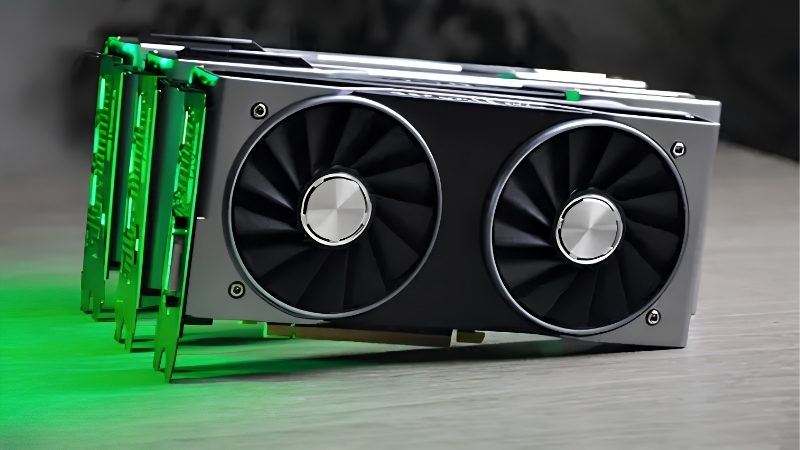
Quick Verdict: RTX 3080 vs RTX 4070 Super
These cards land close in raw speed, so the decision rests on efficiency, VRAM, features, and how you buy. Here is the fast answer, the spec sheet, and the honest pros and cons.
Because the two cards are so closely matched in raw performance, this comparison rewards a careful look at the details rather than a glance at a single benchmark. A few percent of raster difference is easy to overstate, while factors like power draw, VRAM capacity, and feature support often matter more in daily use. The sections that follow weigh each of these in turn so you can match the right card to your specific build, resolution, and budget rather than to a headline number.
The Fast Answer
The RTX 4070 Super is the better all-round choice, matching or slightly beating the 3080 in raster while drawing far less power and adding DLSS 3 Frame Generation and a larger 12 GB buffer. For most buyers it is the smarter card.
The RTX 3080 keeps an edge in memory bandwidth thanks to its wide 320-bit bus, which helps in some 4K scenes, and it can be a strong value if found cheap on the used market despite its 10 GB limit.
For a new purchase, the 4070 Super wins on efficiency, features, and price; for a bargain used buy with more bandwidth, the 3080 still appeals. Checking current pricing below is wise given the tightening market.
The short version for skimmers: choose the 4070 Super for a new build thanks to its efficiency, 12 GB buffer, and DLSS 3, and consider the 3080 only as a cheap used card if you specifically want its extra bandwidth. For the large majority of buyers, the newer card is the easier recommendation.
Specs Comparison
The spec sheet captures the trade-off neatly: the 3080 leads on bus width and bandwidth, the 4070 Super on efficiency, memory size, and features.
| Specification | RTX 3080 | RTX 4070 Super |
|---|---|---|
| Architecture | Ampere (GA102) | Ada Lovelace (AD104) |
| CUDA Cores | 8,704 | 7,168 |
| Memory | 10 GB GDDR6X | 12 GB GDDR6X |
| Memory Bus | 320-bit | 192-bit |
| Bandwidth | ~760 GB/s | ~504 GB/s |
| Board Power (TGP) | 320 W | 220 W |
| DLSS Support | DLSS 2 (no Frame Gen) | DLSS 3 (Frame Gen) |
| Launch MSRP | $699 | $599 |
Pros and Cons of Each Card
The RTX 3080 vs RTX 4070 Super trade-offs are unusually balanced, with each card winning clearly on different axes.
RTX 3080 — Pros: wide 320-bit bus, high bandwidth, strong raster, cheap used. Cons: only 10 GB VRAM, high 320 W draw, no Frame Generation, older architecture.
RTX 4070 Super — Pros: very efficient 220 W draw, 12 GB VRAM, DLSS 3 Frame Generation, lower new price, cool and quiet. Cons: narrow 192-bit bus, lower bandwidth, fewer raw cores.
The key point is that the 4070 Super’s efficiency and feature advantages are large and consistent, while the 3080’s main edge, bandwidth, only matters in specific 4K scenarios.
It is worth stressing how rare this kind of even matchup is across generations. Normally a newer mid-range card clearly beats an older high-end one or clearly loses; here they trade wins, which is why the decision genuinely comes down to your priorities rather than a simple performance verdict.
Deep Dive Face-Off: RTX 3080 vs RTX 4070 Super
Beyond the spec sheet, the real differences emerge across resolutions, in the build, and in how the features age. The face-off compares the cards by these criteria.
Each of these areas tells a slightly different story, and together they explain why two cards with similar frame rates can still be very different purchases. A buyer focused purely on 4K raster will read these sections differently from one who cares about noise, power, or frame generation, so it is worth weighing each against your own priorities as you go.
Gaming Performance and Benchmarks
At 1440p, the two are very close in raster, with the 4070 Super often a few percent ahead. In most titles both comfortably exceed 100 FPS, and the choice between them barely affects the experience at this resolution.
At 4K, the 3080’s wider bus and bandwidth let it pull even or slightly ahead in pure raster, but its 10 GB buffer becomes a liability in texture-heavy titles, where the 4070 Super’s 12 GB holds steadier and avoids stutter.
The analytical takeaway is that raw raster is close, but the 4070 Super’s DLSS 3 Frame Generation tips the balance in supported titles, where it can post frame rates the 3080 cannot match despite similar underlying hardware.
It helps to think in terms of what you will actually notice. In day-to-day play at 1440p the two feel nearly identical in raster, so the 4070 Super’s perceptible advantages are its lower noise and its DLSS 3 frame generation, not a raw speed difference you would feel without a counter on screen.
Power, Efficiency, and Real-World Setup
Efficiency is the 4070 Super’s standout advantage. At 220 W versus the 3080’s 320 W, it delivers comparable performance for a third less power, which means far less heat, lower noise, and a smaller power supply requirement.
Practically, the 4070 Super runs cool and quiet on a modest 650 W supply and fits compact builds easily, while the 3080 runs hot and loud and wants more cooling headroom. For small or quiet systems, the gap is decisive.
For anyone upgrading an older build, the 4070 Super often drops in without a power supply change, whereas a 3080 may demand more headroom and generate noticeably more heat for the same result.
The efficiency gap also has a quiet financial dimension. Over years of gaming, the 4070 Super’s 100 W lower draw adds up in electricity and heat, and it places less stress on the rest of the system. For buyers in warm climates or small rooms, that difference shapes comfort as much as the spec sheet does.
Features and Future-Proofing
The feature gap favours the 4070 Super clearly. As an Ada card it supports DLSS 3 with Frame Generation, while the Ampere 3080 is limited to DLSS 2 with no Frame Generation at all.
The experimental angle worth testing is how much DLSS 3 widens the gap in supported titles, where the 4070 Super can reach frame rates the 3080 cannot, especially with ray tracing enabled. The 4070 Super also benefits from a newer encoder for streaming and recording.
For future-proofing, the 4070 Super’s larger 12 GB buffer, lower power, and modern features give it a longer comfortable life, while the 3080’s forward-looking strength is mainly its bandwidth.
There is also a longevity angle in drivers and support. As a current-generation architecture, the 4070 Super sits earlier in its support lifecycle and is more likely to gain from future optimizations, while the older Ampere 3080 is mature and unlikely to improve much further from here.
Pricing, Alternatives, and Final Recommendation
The 2026 market context matters because used 3080 pricing can swing the value calculation and neither card is getting cheaper.
How the 2026 Price Surge and H200 News Change the Math
GPU prices are rising in 2026 because of a memory shortage that has pushed GDDR and DRAM to a large share of a card’s cost. The 4070 Super, as a current-generation Ada card, is exposed to ongoing increases, while the used 3080 market is propped up by overall scarcity rather than falling as a two-generation-old card normally would.
The H200 export decision adds indirect pressure. With the U.S. approving capped H200 shipments to China in January 2026, advanced memory is being diverted to AI accelerators, tightening the supply chain that feeds consumer GPUs and keeping even older cards from dropping in price.
For the RTX 3080 vs RTX 4070 Super decision, the implication is that a new 4070 Super may hold or rise in price, while a used 3080 is unlikely to become the bargain it once was. If either card fits your needs at a fair price today, waiting carries more risk than reward.
The launch prices add useful context. The 3080 debuted at $699 and the 4070 Super at $599, so the newer card is both cheaper and more efficient at MSRP, an unusual combination. In today’s market that pricing advantage can shift, which is why checking current listings matters more than relying on launch figures.
The Alternative if Both Are Too Expensive
If you want more bandwidth and memory together, the RTX 4070 Ti Super steps up to a 16 GB buffer and a wider 256-bit bus while keeping Ada efficiency and DLSS 3.
For buyers chasing maximum value, a used RTX 3080 Ti offers more cores and bandwidth than the 3080, though with the same high power draw and missing Frame Generation as the rest of the Ampere generation.
A third route suits patient shoppers: because new 4070 Super and used 3080 prices move independently with supply, watching both and buying whichever offers clearer value avoids overpaying in a volatile market.
Buyers who already own a 3080 should think carefully before switching. The 4070 Super is not a large raster upgrade, so the move makes most sense for the efficiency, the extra VRAM, and DLSS 3 rather than for raw speed. If your 3080 still performs well, waiting for a bigger leap may be the wiser play.
Final Verdict: Who Should Buy Which
Buy the RTX 4070 Super if you are buying new, value efficiency and quiet operation, and want DLSS 3 Frame Generation with a larger 12 GB buffer. It is the better-rounded card for modern 1440p builds.
Buy the RTX 3080 if you find one cheap used and prioritize raw bandwidth at 4K, accepting the higher power draw, smaller 10 GB buffer, and missing Frame Generation as the cost of that value.
If the decision still feels close, let your build and priorities settle it. A small, quiet, or power-conscious system clearly favours the 4070 Super, while a buyer chasing maximum bandwidth on a tight used-market budget leans toward the 3080. Matching the card to your setup turns a near-tie into a clear choice.
Once you have weighed the RTX 3080 vs RTX 4070 Super trade-offs against current prices, check the latest availability below before the next adjustment.
Either way, both cards remain capable performers, so there is no truly wrong answer here, only a better fit for your particular priorities. The 4070 Super suits the efficiency-conscious modern builder, the 3080 the bargain hunter chasing bandwidth, and the prices available when you buy will often make the final call for you.
See More:
- Graphics cards RTX 4090
- RTX 4070 Ti vs 5080
- 4090 vs 4070 Ti Super
- RTX 3080 Ti vs RTX 5080
- Nvidia RTX 4090 vs 5090
Conclusion
The RTX 3080 vs RTX 4070 Super comparison favours the newer card for most buyers: the 4070 Super matches the 3080 in raster while using far less power and adding DLSS 3 and a larger 12 GB buffer, leaving the 3080 as a bandwidth-rich used-market value. With the 2026 memory shortage and the H200 export shift keeping prices elevated, the smart move is to pick the card that matches how you build and play, and secure it at today’s price rather than waiting for a discount the market is unlikely to deliver.
Frequently Asked Questions
What is the best rtx 3080 rtx 4070 super in 2026?
The best rtx 3080 rtx 4070 super depends on your budget and how you plan to use it. The options compared above are our top-rated picks based on real customer ratings, build quality, and overall value — start with the highest-rated model that fits your budget.
How much should I expect to spend on a rtx 3080 rtx 4070 super?
Prices vary by brand and features. Budget options cover the essentials, while mid-range and premium models add durability, performance, and extra features. Compare the prices in the list above to find the best value for your needs.
What should I look for when buying a rtx 3080 rtx 4070 super?
Focus on what matters most for your use case — build quality, compatibility, performance, warranty, and verified customer reviews. Every pick above is selected to balance these factors.
Are budget rtx 3080 rtx 4070 super options worth it?
Yes. For most people a well-reviewed budget or mid-range rtx 3080 rtx 4070 super delivers excellent value. You only need to spend more if you specifically require premium materials or top-tier performance.
How did we choose these rtx 3080 rtx 4070 super picks?
We compare current Amazon ratings, review counts, key features, and price to surface the options with the best real-world value. The list is refreshed as ratings and availability change.










Write Your Review
No reviews yet. Be the first to share your experience!