


Best Seller
Getting Started with NVIDIA GPUs : A Beginner’s Guide to AI Acceleration with python, C++ and Cuda
Install Nvidia software suites on your hardware to immediately bridge the gap between complex game engines and raw silicon power. In 2026, keeping your graphic processing system fully updated is no longer just an optional task; it is the ultimate strategy to secure frame rate stability and prevent unexpected software conflicts.
Navigating the Nvidia Software and Driver Ecosystem in 2026
Managing your computer’s graphic performance requires the right software bridge. Over the last few years, the setup process for graphic adapters has undergone radical modifications to streamline user experiences and reduce background system resource bloat. Let us take an in-depth look at how the modern setup mechanics function and how they alter your day-to-day computing workflows.
As an Amazon Associate we earn from qualifying purchases at no extra cost to you.




![nvidia geforce has a new graphics driver update [Explicit]](https://m.media-amazon.com/images/I/61mtLzL1Z1L._SL160_.jpg)


The Transition to the Unified Nvidia App Interface
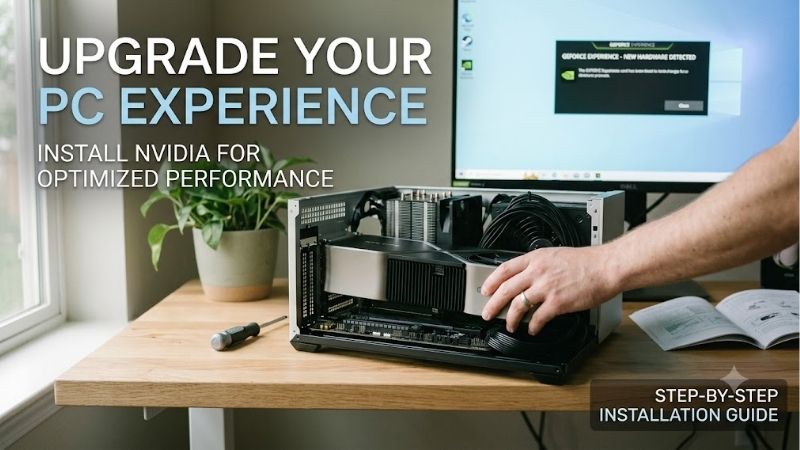
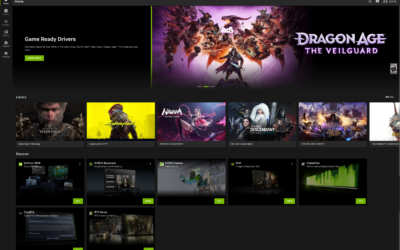
The primary shift in 2026 is the full retirement of the classic Control Panel and GeForce Experience in favor of the unified Nvidia App. When users attempt to set up their software, they are greeted by a modern, ultra-fast interface that boots in half the time of previous iterations. This new portal centralizes driver updates, display settings, and performance tuning tools under a single, lightweight executable file.
The integration is designed with convenience in mind, allowing gamers to configure optimal playable settings without navigating multiple legacy menus. For creators, it makes switching between Studio and Game Ready profiles smoother than ever. The unified interface also operates without requiring a mandatory user account login, addressing a major point of friction that plagued the brand’s software offerings for nearly a decade.
Step-by-Step Experience of Driver Setup and Configuration
Initiating a fresh setup on a clean Windows environment or upgrading existing display parameters is remarkably simple. The modern installer automatically scans your system hardware configuration, detects the installed graphics card model, and downloads the most compatible software package with minimal manual input. During this setup process, users can choose between standard automatic express configurations or advanced custom installations.
Opting for the custom route remains the highly recommended choice for tech enthusiasts. It allows you to perform a clean installation, which wipes out all corrupted registry files from previous versions. This step is particularly vital if you are replacing an older card or troubleshooting recurring display errors. The entire process takes less than five minutes on modern solid-state drives, finishing with a swift system refresh rather than a forced reboot.
-Check the latest price on Amazon:
Pros and Cons of the Install Nvidia Setup Process
Analyzing the setup mechanics reveals both incredible advancements and minor pain points. On the positive side, the modern setup package is highly optimized, using a modular system that only downloads files required for your specific architecture. This prevents your storage from being cluttered by unnecessary multi-language files or unused developer features, saving valuable disk space.
On the negative side, the installer remains relatively large, requiring a stable high-speed internet connection to complete. If your internet connection drops during the installation phase, the process can fail, sometimes leaving the system with generic Microsoft basic display drivers. Additionally, managing custom profiles for vintage legacy games can still feel slightly unintuitive compared to modern API installations.
Global Supply Shifts and Macroeconomic Impact on Your Upgrade Path
Software optimization is closely tied to the state of the global hardware market. In 2026, various economic factors and supply chain restructurings have altered how PC builders manage their component configurations and purchasing timelines. Understanding these industry dynamics will help you make strategic investment choices to support your computational needs.
The Export of H200 AI Chips and Its Relief on Consumer GPU Supply
A major milestone shaping the market in 2026 is the United States government’s regulatory decision to approve the export of Nvidia’s advanced H200 AI chips to Asian markets. Prior to this policy shift, extreme enterprise demand for AI computing resources forced manufacturers to prioritize enterprise-level silicon. This allocation of raw materials frequently led to major inventory shortages and massive scalper markups on consumer graphics card models.
Now that the dedicated H200 chip is satisfying international enterprise requirements, the production pressure on consumer-grade GeForce RTX graphics cards has diminished significantly. Gamers and content creators looking to assemble a high-performance system can find adequate stock of consumer GPUs at retail pricing. This stable supply chain makes upgrading your hardware far more accessible than in past years.
Fighting the Rising Inflation of PC Components and Laptop Costs
While graphics card availability has improved, overall PC hardware components and gaming laptop prices are still experiencing steady upward inflation in 2026. Global shipping costs, raw material price hikes, and elevated manufacturing expenses have caused a rise in retail prices for supporting hardware. Key components such as high-frequency DDR5 memory, PCIe Gen 5 storage drives, and titanium-rated power supplies are costing noticeably more today.
This inflationary trend highlights the vital importance of maximizing your current system’s efficiency through optimal software configurations. By ensuring your current driver stack is perfectly set up, you can extend the functional lifespan of your existing GPU, postponing expensive upgrade cycles. However, if your hardware is showing severe signs of aging, investing in components early is highly advised to avoid future price hikes.
Recommended Workstation and Gaming Upgrades for Maximum Performance
To fully experience advanced modern graphics features like neural path-tracing, real-time AI frame generation, and DLSS reconstruction, your physical hardware must match the software’s capabilities. Running cutting-edge software suites on outdated architecture restricts you from accessing the most impactful performance boosters. Upgrading your graphics card is the single most effective way to elevate your computer’s rendering output.
For mobile professionals and on-the-go gamers who require high performance in a compact form factor, checking the latest price on Amazon for gaming laptops offers excellent opportunities to secure advanced mobile systems. For desktop custom builders, keeping the core rendering unit updated is crucial. To find the perfect foundation for your desktop setup, you can check the latest price on Amazon for high-performance GPUs to secure a highly capable graphics processor.
Real-World Performance, Benchmarks, and User Feedback Analysis
Evaluating the performance impact of a freshly configured display driver reveals how much software optimizations contribute to your overall system stability. Regular updates are designed to refine rendering paths, lower hardware temperatures, and ensure that your system resources are allocated precisely. Let us analyze how these software updates perform in active gaming and productivity scenarios.
Frame Rate Stability and Latency Reduction in Modern Game Engines
Testing across modern titles in 2026 indicates that keeping your software setup updated has a profound effect on frame rate consistency. While raw average frames per second may only see minor single-digit percentage increases in older games, the 1% and 0.1% low frametimes show significant improvements. These metrics dictate the presence of micro-stutters during intensive rendering scenarios.
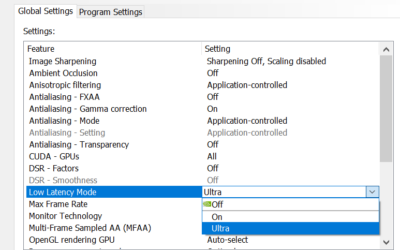
Furthermore, the low-latency technologies embedded directly into the system drivers work to align CPU scheduling with GPU render queues. This alignment minimizes overall system latency, creating a highly responsive interface that is crucial for competitive environments. The result is a smooth, predictable output that makes fast-paced camera panning feel completely seamless.
What the Community Thinks: High Praise vs. Technical Friction
Community feedback from hardware forums and online marketplaces highlights a varied set of user experiences. Five-star reviews frequently commend the brand’s fast release schedules, noting that hotfixes for newly launched titles are usually deployed within 48 hours. Users appreciate the streamlined installer and the noticeable reduction in background memory consumption compared to older software versions.
Conversely, two-star and three-star reviews often focus on occasional display issues that arise during specific multi-monitor setups or when using older HDR standards. Some users report experiencing temporary screen flickering or losing personalized custom profiles after an update. While these issues are typically resolved in subsequent patches, they emphasize the importance of utilizing clean installation routines to avoid conflicting registry settings.
Alternative Tuning Methods and Final Recommendation
For users who prefer a set-it-and-forget-it approach or prioritize absolute reliability over cutting-edge gaming performance, Studio Drivers represent an excellent alternative. These specialized software packages are released less frequently but undergo extensive certification testing across industry-standard creative programs. This ensures a stable environment for content creation pipelines, 3D modeling, and video rendering.
However, for the majority of active gamers and system builders, the Game Ready driver branch remains the gold standard. The active update schedule ensures that your system is fully prepared to handle newly released engines immediately. Keeping your software updated is an essential computing habit that protects your hardware investment and maximizes your gaming enjoyment.
Conclusion
In conclusion, learning how to Install Nvidia drivers and software packages correctly is the most cost-effective way to ensure your PC performs flawlessly in 2026. Given the volatile state of the global hardware market, rising component inflation, and rapid advancements in real-time rendering, keeping your PC software perfectly optimized is a crucial step for every user. Make sure your desktop or laptop is fully updated before jumping into your next creative session or competitive match. To keep your gaming station running at peak performance, check the latest price on Amazon for gaming hardware and invest in high-quality components that will support your computational needs for years to come.
Frequently Asked Questions
What is the correct order for installing a new NVIDIA GPU and drivers?
Shut down and unplug the system, remove the old card, seat the new one fully and secure the bracket, connect power cables using separate native leads, then boot and install the driver downloaded from NVIDIA. Windows will supply a basic display driver in the meantime so you can complete the download.
Do I need to uninstall my old drivers first?
When switching between NVIDIA and AMD, yes, absolutely. When moving between NVIDIA cards it is usually optional but still recommended. Run Display Driver Uninstaller in Safe Mode with the clean and restart option before installing, which removes stale registry entries and shader caches that cause post-upgrade instability.
Should I install the NVIDIA app or just the driver?
The driver alone is sufficient to game. The NVIDIA app adds useful features including driver updates, per-game settings, DLSS overrides that force newer upscaling models into older titles, and recording tools. If you prefer minimal background software, choose the Custom install and deselect optional components.
How do I check the card is installed correctly?
Open Device Manager and confirm the GPU appears without a warning icon, then check the NVIDIA control panel system information for the expected link speed such as PCIe x16. Run a short benchmark and watch clocks, temperatures and power draw to verify the card is receiving full power.
What if I get no display after installing?
Check the monitor cable is in the graphics card rather than the motherboard, confirm both ends of every power cable are fully seated, and reseat the card in its slot. If it still fails, test with a single monitor, clear CMOS, and confirm your power supply has adequate capacity.

Write Your Review
No reviews yet. Be the first to share your experience!