
- Top Pick: BASF Drive XLR8 Crabgrass Killer for Lawn & Turf, Post Emergent Grassy & Broadleaf Weed Control, Active Ingredient Quinclorac, 30 Day Residual, Herbicide, Concentrate 64 Ounce
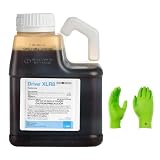
- Best Value: Drive Crabgrass Killer Lawn & Turf, Post Emergent Grassy & Broadleaf Weed Control, Ingredient Quinclorac, 30 Day Residual, Herbicide, Concentrate 64 Ounce w/USA Supply Protective Gloves
- Premium Choice: Ortho WeedClear Lawn Weed Killer Ready-to-Spray, 32 fl. oz. | Weed Killer Spray for Lawns, Kills Crabgrass, Dandelion and Clover, Hose-End Application, Covers 5,000 sq. ft.
For most lawns the best post-emergent crabgrass killer is a product built around quinclorac, because it is one of the few active ingredients that controls crabgrass after it has sprouted and can still work on larger plants; fenoxaprop-based and mesotrione-based products suit specific grass types, so match the label to your turf before you buy.
As an Amazon Associate we earn from qualifying purchases at no extra cost to you.



Active ingredients explained
Lawn product names change, but the active ingredient on the label is what determines performance and safety. University extension services such as those at Penn State, Clemson and Purdue publish turf weed guides that describe the same handful of ingredients.
| Active ingredient | Best for | Stated strengths | Limits |
|---|---|---|---|
| Quinclorac | Cool-season lawns such as Kentucky bluegrass, fescue and perennial ryegrass; many warm-season lawns per label | Controls crabgrass at several growth stages, including tillers | Check label for grasses it can harm; some lawn types restricted; works best with a surfactant |
| Fenoxaprop | Cool-season turf, especially young crabgrass | Selective grass-on-grass control | Can injure some warm-season grasses; best on smaller plants |
| Mesotrione | Cool-season lawns, often for spot treatment and seeding | Also lists activity on some broadleaf weeds | Can bleach turf temporarily; label timing rules |
| Dithiopyr | Early-season use | Pre- and early post-emergent activity on small crabgrass | Not for large mature plants |
| Glyphosate or other non-selective | Spot kill in non-lawn areas and cracks | Kills nearly all vegetation | Will kill the lawn it touches |
Brands to look at
Familiar consumer lines that sell quinclorac or related post-emergent crabgrass products include Bayer Advanced, Ortho, Spectracide, Scotts and Southern Ag, along with professional-grade concentrates from turf suppliers. Formulations are updated often, so read the current label on the shelf for your region. Some products combine quinclorac with broadleaf killers; others are crabgrass-only and are more suited to sensitive lawns.
Match the product to your grass
Cool-season lawns
Kentucky bluegrass, tall fescue and ryegrass tolerate quinclorac and fenoxaprop-type products when used as directed. Fine fescues can be more sensitive, so read the label for that species.
Warm-season lawns
Bermudagrass, zoysia and St. Augustine behave differently. Some formulations are labeled for bermudagrass and zoysia but warn against St. Augustine or centipede. Using the wrong product can brown or kill grass, so the label list of tolerated turf types is the key line to read.
Newly seeded lawns
Many post-emergent herbicides restrict use on new seedings until grass has been mowed several times. Mesotrione-based products are often positioned for seeding, but still follow the maker’s waiting period.
Pick by situation
| Pick this if | Choose | Why |
|---|---|---|
| Crabgrass is large and tillered in a cool-season lawn | Quinclorac product | Label lists activity on mature plants |
| Weeds are young and your lawn is bluegrass or fescue | Fenoxaprop or quinclorac | Early treatment works best |
| You are seeding and have crabgrass | Mesotrione product with seeding allowance | Maker lists seeding use |
| Crabgrass grows in cracks or beds | Non-selective spot product | Not for lawns |
| You prefer to avoid herbicides | Hand pulling, thicker turf, early pre-emergent next year | Prevention is more reliable |
Budget tiers without prices
At the budget level you will find ready-to-spray bottles and small concentrates with a single active ingredient. Mid-range products add larger volumes and sometimes combined crabgrass and broadleaf action. The premium tier is professional concentrates sold through turf suppliers, which are economical per square foot but need accurate measuring and sprayer calibration.
How to apply
- Read the whole label, including turf tolerance, temperature limits and re-entry intervals.
- Treat when crabgrass is actively growing and the label allows; avoid applying in extreme heat or drought stress.
- Add a surfactant if the label calls for it, since many quinclorac products depend on one.
- Skip mowing for the period the label specifies before and after spraying.
- Plan a repeat application if the label allows one, because larger plants may need two treatments.
- Keep children and pets off treated areas until the spray has dried or the label says it is safe.
Common mistakes
- Ignoring the grass-type list and damaging turf.
- Spraying when the weather forecast includes rain within the label’s rainfast window.
- Expecting a single pass to remove mature crabgrass.
- Skipping fertilizing and overseeding, which leaves bare soil for new seed to take over.
- Waiting too long, since young crabgrass is easier to control than large plants.
Safety and the environment
Wear gloves, long sleeves and eye protection as the label directs. Keep products away from ponds, drains and wells, and do not apply near water. Some formulations are restricted around certain ornamentals and vegetable gardens. If skin or eye contact or ingestion occurs, follow the label first-aid instructions and contact poison control or a doctor. Store in the original container out of reach of children and pets.
Alternatives and prevention
The most effective crabgrass strategy is prevention: a pre-emergent applied when soil temperatures begin warming, a mowing height at the upper end for your grass, and regular overseeding to keep turf dense. Hand removal works for small patches, and following up by sowing seed fills the gap. For lawns with large infestations, a local extension office can give region-specific timing.
Timing through the season
Crabgrass germinates as soil warms in spring and keeps sprouting into summer, so a lawn can hold plants of very different sizes at once. Early in the season, small seedlings are the easiest to control and respond to most post-emergent products. By midsummer, plants have tillered and spread, and fewer products are labeled to handle them, which is why quinclorac gets so much attention. Late-season applications are less useful because crabgrass dies with the first hard frost anyway, so the better use of that time is to collect seed-head information, plan next year’s pre-emergent and overseed in the right window for your grass type. Local extension offices publish regional calendars that line up spray dates with soil temperature, which is more reliable than going by the calendar alone.
Finally, keep records of what you applied and when. Labels cap the number of applications per year and the total amount per season, and a simple note in a phone avoids accidental overuse.
Frequently Asked Questions
Does post-emergent crabgrass killer work on mature plants?
Quinclorac is labeled for larger plants, while many others work best on young ones. Mature crabgrass may need a second application, so follow the label’s repeat interval.
Can it kill my lawn?
Yes, if the product is not labeled for your grass or if it is overapplied. Check the tolerated turf list, and test a small area if you are unsure.
When should I apply it?
Apply while crabgrass is actively growing and within the temperature range on the label. Avoid very hot or drought-stressed periods.
How long until crabgrass dies?
Makers generally describe visible yellowing in days and full control over a few weeks. Results vary with plant size and weather.
Is a pre-emergent better than a post-emergent?
Pre-emergent prevents seed from sprouting and is generally the more reliable approach. Post-emergent products are for plants that already emerged.
Can I reseed after treatment?
Many products require a waiting period before seeding. Read the label for the interval, or choose a product that lists seeding allowances.





Write Your Review
No reviews yet. Be the first to share your experience!