
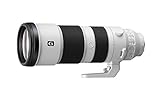
- Top Pick: Sony FE 200-600mm f/5.6-6.3 G OSS Super Telephoto Zoom Lens
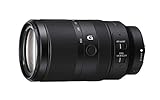
- Best Value: Sony E 70-350mm f/4.5-6.3 G OSS Lens, Telephoto Lens, Black
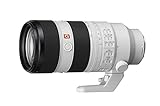
- Premium Choice: Sony FE 70-200mm F2.8 GM OSS II Full-Frame Zoom Lens | Constant-Aperture telephoto Zoom G Master Lens (SEL70200GM2), Additional reach, High-performance 1.4x and 2x
For most Sony shooters the FE 70-200mm F2.8 GM OSS II is the all-round telephoto pick, the FE 200-600mm F5.6-6.3 G OSS suits wildlife and sports from the sidelines, and the FE 70-300mm F4.5-5.6 G OSS or a third-party zoom suits anyone who wants reach without a heavy bill. Gamers who stream, shoot LAN events, or photograph esports stages from the back of a hall are the audience here, so the guide focuses on reach, light gathering, weight and what actually fits an E-mount body.
As an Amazon Associate we earn from qualifying purchases at no extra cost to you.

Quick comparison of current telephoto options
| Lens | Best for | Stated key specs | Main limit |
|---|---|---|---|
| Sony FE 70-200mm F2.8 GM OSS II | Events, stage shots, portraits | 70-200mm, constant F2.8, optical stabilisation, G Master line | Premium tier, large for travel |
| Sony FE 70-200mm F4 Macro G OSS II | Lighter all-round zoom | 70-200mm, constant F4, close-focus macro ability | Darker aperture in dim halls |
| Sony FE 100-400mm F4.5-5.6 GM OSS | Sports, travel, wildlife | 100-400mm, variable aperture, G Master optics | Premium tier, needs good light |
| Sony FE 200-600mm F5.6-6.3 G OSS | Distant wildlife, field sports | 200-600mm, internal zoom design, optical stabilisation | Heavy, usually needs a monopod |
| Sony FE 70-300mm F4.5-5.6 G OSS | Entry telephoto on a budget | 70-300mm, compact for its range | Slower autofocus and aperture than GM |
| Sony FE 300mm F2.8 GM OSS | Pro sports | Fixed 300mm, F2.8 | Single focal length, professional tier |
| Tamron 70-180mm F2.8 Di III VC VXD G2 | F2.8 on a mid-range budget | 70-180mm, constant F2.8, E-mount version | Shorter than 200mm |
| Tamron 150-500mm F5-6.7 Di III VC VXD | Reach on a budget | 150-500mm, stabilised, E-mount | Slower aperture at the long end |
Exact weights, filter sizes and minimum focus distances change between lens generations, so read the maker’s own spec sheet for the model you pick. Reviewers at outlets such as DPReview and Digital Camera World regularly rank these lenses among the strongest in the E-mount range, though their ordering shifts with each new release.
How to choose a Sony telephoto
Start with the focal length you really need
A 70-200mm covers portraits, small stage shots and indoor events. Out to 400mm you start reaching into the far side of a field or the back of an arena. Beyond 500mm you are in wildlife and motorsport territory. Buying more reach than needed adds weight and cost without improving your keepers, since a long lens is harder to hold steady.
Aperture decides indoor results
Esports venues and conventions are dim. A constant F2.8 lens lets in about twice the light of F4 and allows faster shutter speeds without pushing ISO. If you mostly shoot outdoors in daylight, F5.6-6.3 zooms are fine and far lighter.
Full-frame and APS-C coverage
The lenses named here are full-frame FE designs and mount on APS-C Sony bodies too, where the crop gives extra apparent reach. Sony also makes E-mount lenses designed for APS-C, but the telephoto range for APS-C is thinner, so most buyers end up with FE glass.
Weight and handling
Weight matters more than spec sheets suggest. A heavy lens on a small body feels unbalanced, and long sessions tire the wrist. Check the weight the maker lists, and consider a monopod for anything over about two kilograms.
Stabilisation and bodies
Most of these zooms have optical stabilisation in the lens, which works alongside in-body stabilisation on bodies that have it. Autofocus performance depends on the camera body too: recent Alpha bodies with subject tracking get the most from G Master and G lenses.
The picks by budget tier
Budget tier: FE 70-300mm F4.5-5.6 G OSS and Tamron 150-500mm
The 70-300mm G is Sony’s compact reach option, listed by the maker as a G-series lens with optical stabilisation. It is the sensible first telephoto for someone learning. The Tamron 150-500mm trades size for much more range. Reviewers note that the long end is slower, so it wants daylight.
Mid-range tier: FE 70-200mm F4 Macro G OSS II and Tamron 70-180mm F2.8 G2
The F4 Macro G II is a lighter alternative to the F2.8 zoom, with close-focus ability the maker highlights for detail shots. Tamron’s 70-180mm gives you a constant F2.8 aperture at a lower tier than the GM, giving up 20mm of reach and some build refinement.
Premium tier: FE 70-200mm F2.8 GM OSS II, FE 100-400mm GM, FE 200-600mm G
The 70-200mm F2.8 GM II is generally considered the reference zoom in this class. The 100-400mm GM is the wildlife and sports compromise that stays reasonably carriable. The 200-600mm G reaches furthest, and its internal zoom design means the barrel does not extend when you zoom, which many shooters appreciate on a monopod.
Professional tier: FE 300mm F2.8 GM and longer primes
Fixed supertelephotos such as the 300mm F2.8 GM and the 400mm and 600mm GM primes are for working sports and wildlife photographers. They are heavy, specialised and rarely a first purchase.
Pick X if…
| If you want | Pick | Why |
|---|---|---|
| One telephoto for events and portraits | FE 70-200mm F2.8 GM OSS II | Constant F2.8 and versatile range |
| A lighter lens for travel | FE 70-200mm F4 Macro G OSS II | Smaller than the F2.8 zoom, still constant aperture |
| Wildlife and field sports | FE 200-600mm F5.6-6.3 G OSS | Longest reach in the zoom lineup |
| Reach without the largest bag | FE 100-400mm F4.5-5.6 GM OSS | Wide-ranging zoom with GM optics |
| The lowest entry into telephoto | FE 70-300mm F4.5-5.6 G OSS | Compact and stabilised |
| F2.8 on a smaller outlay | Tamron 70-180mm F2.8 G2 | Constant F2.8 from a third party |
Alternatives worth a look
- Sigma 150-600mm Contemporary or Sport (E-mount versions). Long reach from a third party, aimed at buyers who want 600mm without the 200-600mm G price tier.
- Sony FE 100mm F2.8 STF GM OSS. A short telephoto prized for smooth background blur, not for reach.
- Newer long zooms from Sony. Sony has also introduced zooms such as the FE 400-800mm, aimed at serious wildlife shooters; confirm the details on the maker’s page before planning a purchase around one.
Common mistakes
- Buying the longest lens without thinking about weight and support.
- Ignoring aperture for indoor events, then raising ISO until detail suffers.
- Mixing up lens mounts. A DSLR telephoto needs an adapter and may lose autofocus speed, so buy E-mount native when possible.
- Forgetting a teleconverter changes both reach and effective aperture, and not every lens supports one. Sony’s maker pages list which lenses accept their teleconverters.
- Skipping a lens hood and tripod collar foot, which matter for flare and balance.
Notes for gamers and streamers
If your photography is mostly LAN party and esports coverage, a stabilised 70-200mm is usually enough. Stream-room product shots and desk-setup photography actually favour a short telephoto around 85-100mm for flattering compression, and the 70-200mm doubles as that lens. If you game on a high-end PC, plan storage for large raw files, since telephoto sports bursts fill cards fast.
Frequently Asked Questions
Is the Sony 70-200mm F2.8 GM II worth it over the F4 version?
If you shoot in dim venues or want strong subject separation, the F2.8 aperture gives a clear advantage. If you shoot mostly in daylight and carry the lens a lot, the lighter F4 Macro model is often the more practical choice.
Can I use a Sony telephoto on an APS-C body?
Yes. FE lenses mount on APS-C E-mount bodies and the crop factor makes the view tighter. You pay for a full-frame image circle you do not fully use, but you gain reach.
Do I need a monopod for a 200-600mm lens?
Many photographers use one because of the lens weight and length. Handheld use is possible for short bursts, but long sessions are tiring.
Are third-party E-mount telephotos reliable?
Tamron and Sigma make E-mount lenses that reviewers frequently praise for value. Autofocus behaviour can differ from Sony’s own lenses on some bodies, so read body-specific reviews.
What is the difference between G and G Master lenses?
Sony positions G Master as its top optical tier, with the highest resolution and build, and G as a step down that is generally lighter and more affordable. Both are stabilised in most telephoto zooms.
Which lens suits photographing a gaming event from the audience?
A 70-200mm at F2.8 or F4 is the usual choice, since it handles stage lighting better than slow long zooms. Check the venue’s photography rules before bringing a large lens.







Write Your Review
No reviews yet. Be the first to share your experience!