
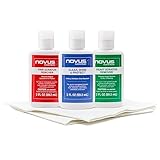
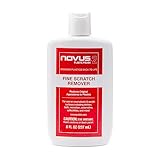
- Top Pick: NOVUS-PK1-2 | Plastic Clean & Shine #1, Fine Scratch Remover #2, Heavy Scratch Remover #3 and Polish Mates Pack | 2 Ounce Bottles
- Best Value: Meguiar's PlastX Clear Plastic Polish Headlight Restoration Polish, 10 Oz | Plastic Cleaner & Scratch Remover, Restores Clarity, Removes Yellowing, Oxidation & Cloudiness on Headlights, Gauges & More!
- Premium Choice: NOVUS-PK1-8 | Plastic Clean & Shine #1, Fine Scratch Remover #2, Heavy Scratch Remover #3 and Polish Mates Pack | 8 Ounce Bottles | Automotive Detailing Supplies & Plastic Restorer for Cars
For light hazing and fine scratches on gaming gear, PC case windows, monitor bezels and console shells, a dedicated plastic polish such as the Novus three-step system is the safest starting point. For deeper scratches on acrylic or painted trim, a fine rubbing compound followed by polish suits better. Which product wins depends on the plastic type, the scratch depth and how glossy the surface is meant to be.
As an Amazon Associate we earn from qualifying purchases at no extra cost to you.


At a Glance: Product Types and Best Uses
| Option | Best for | Typical form | Limits |
|---|---|---|---|
| Novus plastic polish range (No. 1, No. 2, No. 3) | Clear acrylic, case side panels, visors, display covers | Three grades from fine polish to heavier scratch remover | Meant for clear plastics; not for textured or soft-touch finishes |
| Meguiar’s ScratchX style scratch remover | Light scuffs on glossy and painted plastic | Cream applied by cloth or machine | Cannot fill deep gouges |
| Turtle Wax scratch repair style compound | General-purpose surface marks on painted trim | Paste or liquid | Aggressive use can dull gloss |
| 3M scratch and swirl removal products | Car trim, glossy bezels, small polishing jobs | Liquid with cloth or pad | Read the label for plastic compatibility |
| Plastic restorer for matte trim | Faded black textured trim | Wipe-on dressing | Hides rather than removes scratches |
| Heat gun method | Light scuffs on some textured plastics | Tool, not a product | Can warp thin plastic; risky near electronics |
Brand lineups change, so the table lists categories and well-known product families rather than exact bottle sizes. Always read the maker’s label for the materials it lists as safe.
Identify the Plastic Before Buying Anything
Plastic scratch removal fails most often because the product does not match the material. Clear acrylic (often used for PC case windows) and polycarbonate respond to fine polishing compounds. Glossy ABS shells, like some console housings and keyboard cases, tolerate mild polishes but can haze if rubbed hard. Textured or soft-touch plastics are different: abrasives remove the texture, leaving a shiny patch that looks worse than the original scratch.
A quick check is to look at the surface under a light. If it reflects sharply, a polish can restore clarity. If it looks matte or grained, skip abrasive compounds and consider a restorer dressing or accept the mark.
Scratch Depth: The Fingernail Test
Run a fingernail across the scratch. If the nail does not catch, the mark is a surface scuff and a fine polish should reduce it. If the nail catches, the damage is deeper, and the maker-approved path is usually a stepped approach: start with the coarser grade, then follow with finer ones. Very deep gouges may need wet sanding with fine grit paper, which is an advanced job; reviewers of acrylic polishing generally advise practicing on a hidden area first.
Budget Tiers
Budget
General scratch-remover creams from mainstream car-care brands cover light swirl marks and are widely sold in small tubes or bottles. They suit one or two small jobs such as a scuffed bezel or a handheld console shell.
Mid-range
Plastic-specific polishes, with Novus as the long-established example, usually cost a little more but give clearer results on acrylic because the grades are designed for plastics rather than paint. A multi-step kit gives you control over how aggressive you go.
Premium
Machine polishing kits with foam pads and graded compounds make sense for large clear panels or frequent projects. They are more than most gamers need for a single case panel.
Decision Table: Pick X If
| Your situation | Pick | Why |
|---|---|---|
| Hazy PC case window with fine scratches | Plastic-specific polish set | Graded steps made for clear plastic |
| Glossy console or controller shell scuff | Mild scratch-remover cream | Gentle on gloss when used lightly |
| Painted car interior trim | Car-care scratch remover | Formulated for painted and glossy automotive surfaces |
| Faded black textured trim | Trim restorer | Abrasives would ruin the texture |
| Deep gouge in clear acrylic | Coarse grade then fine grades, or a repair shop | Needs material removal, so go slowly |
How to Use a Plastic Scratch Remover Safely
- Wash the surface with mild soap and water and dry with a clean microfiber cloth, because grit under the cloth causes new scratches.
- Test in a hidden corner for at least a minute of gentle rubbing.
- Apply a small amount and work in small overlapping circles or straight lines, following the label.
- Wipe, inspect under good light and repeat with the same or a finer grade only if needed.
- Finish with a clean cloth and, if the maker advises, a protective coat.
Unplug any electronics and keep liquids away from vents, ports and screens. Do not use these products on display panels or anti-glare coated monitor screens, as the coatings can be removed. For a screen, follow the monitor maker’s care guide.
Common Mistakes
- Using a rough compound first when a fine polish would do.
- Rubbing hard in one spot, which creates heat and a hazy patch.
- Applying paint-oriented abrasives on soft-touch plastic.
- Using a dirty cloth or paper towel, which scratches more than it fixes.
- Skipping the hidden-area test.
Alternatives
If a scratch is too deep, a replacement side panel from the case maker is often easier than repair. Skins and wraps can cover permanent marks on consoles and controllers. For matte surfaces, a dedicated restorer or a thin vinyl overlay hides marks with no abrasion. Some owners use toothpaste or baking soda as a folk fix; results vary and reviewers generally prefer products made for the job because their abrasive size is controlled.
Frequently Asked Questions
Can I remove scratches from a PC case acrylic window?
Often yes, if they are light to moderate. Use a plastic polish designed for acrylic, start with the finest grade and move to a coarser one only if needed. Deep gouges may stay visible even after careful work.
Will a scratch remover work on a matte plastic shell?
Usually not well. Abrasive products polish the surface and leave a glossy patch on a matte finish. A trim restorer or skin is the safer choice for textured plastic.
Is toothpaste a good plastic scratch remover?
It can reduce very light marks because it contains mild abrasives, but the grit varies between brands. A product made for plastic gives more predictable results and less risk of haze.
Can I use a car scratch remover on electronics?
Only on the exterior plastic shell and only if the label allows it. Keep it away from screens, vents and ports, and always unplug the device first.
Should I use a machine polisher?
For small jobs, hand polishing is easier to control. Machines make sense for large clear panels, but heat build-up can melt or warp plastic, so keep speeds low and follow the compound maker’s instructions.
How do I stop plastic from scratching again?
Use soft microfiber cloths, avoid dry wiping when dust is present and store devices away from keys and tools. A clear protective film or a skin adds a sacrificial layer on frequently handled gear.







Write Your Review
No reviews yet. Be the first to share your experience!