
- Top Pick: CHAPIN 20004 1-Gallon Pump Sprayer for Lawn, Ultra Shot, Garden & Weeds | See fluid levels at a glance; the funnel top makes filling easier, while the adjustable nozzle and 34-in hose extend reach
- Best Value: PetraTools HD101 Garden Pump Sprayer, 52-in Long Hose & 2 Nozzles, 1 Gallon | Weed Sprayer 1 Gallon w/ Easy Carry Handle & Built-In Filters – For Watering, Fertilizing, Rock Glue, Mulch Glue Applications
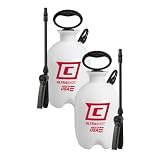
- Premium Choice: CHAPIN 22000 1-Gallon Pump Sprayer, Ultra Shot, Garden & Weeds, 2-Pack | Two easy-fill sprayers for everyday lawn and garden care, with adjustable nozzles and 34-in hoses for comfortable reach
The best insecticide sprayer for most households is a 1 gallon hand pump unit for patios and beds, such as the Chapin SureSpray garden sprayer, while larger yards are better served by a rechargeable 2 gallon model like the Chapin EVOPower or a backpack sprayer. The right choice depends mainly on area size, how often you spray, and how much hand-pumping you can tolerate. If you divide your time between gaming and a yard that needs regular pest control, this guide explains how to match tank size, pump type and seal materials to the job.
As an Amazon Associate we earn from qualifying purchases at no extra cost to you.



Match the sprayer to the job
Chapin’s own site groups its sprayers into concrete and industrial pumps, multi-purpose garden sprayers, backpack models, handheld and hose-end units, and large-capacity systems for ATVs. For a typical home, the garden and backpack categories are the relevant ones. A 1 gallon pump sprayer, which the maker lists as its SureSpray garden model, covers a few planting beds or a deck. The 2 gallon rechargeable EVOPower is listed for users who want battery power instead of pumping. Backpack sprayers carry more liquid and spread the weight over the shoulders for orchards, hedges and wide lawns.
At a glance
| Type | Example | Best for | Key points stated by makers | Limits |
|---|---|---|---|---|
| 1 gallon hand pump | Chapin SureSpray 20000 | Patios, foundations, small beds | Listed as a 1 gallon garden pump sprayer, made in the USA | Frequent pumping, small tank |
| 2 gallon rechargeable | Chapin EVOPower | Mid-size yards, regular use | Listed as a 2 gallon battery powered sprayer | Needs charging, higher cost tier |
| Manual backpack | Chapin and Solo backpack ranges | Large gardens, long sessions | Tank worn on the back with a pumping lever | Heavier when full, more storage space |
| Battery backpack | Several makers including Chapin and Solo | Frequent large jobs | Powered pump removes pumping effort | Weight, battery care, premium tier |
| Hose-end sprayer | Various | Lawn-wide treatments | Mixes concentrate with hose flow | Less control of dosage and drift |
What to look for
Tank size and weight
Water weighs a little over eight pounds per gallon, so a full 4 gallon backpack carries a significant load. A 1 gallon hand sprayer is easy to carry and store, but you will refill it often on larger areas. Choose a tank that you can lift comfortably when full, and make sure the opening is wide enough to fill without spills.
Seals and materials
Different chemicals attack different seals. Read both the product label and the sprayer manual to see which formulations the seals tolerate. Viton and EPDM seals are commonly cited by sprayer makers for broader chemical compatibility, but each maker lists its own. Using a seal that is not compatible leads to leaks, swollen parts and unpredictable spray.
Nozzles and wand
Adjustable nozzles let you switch between a fine mist and a stream. A fine mist suits foliage and spot treatments, while a stream reaches into cracks and under eaves. A wand of useful length saves bending and keeps the spray away from your body. A shut-off valve with a lock reduces hand fatigue.
Pump type and pressure
Hand pump sprayers build pressure by hand, and spray strength fades as pressure falls, so you pump again. Battery models keep pressure steadier. Whatever you choose, never exceed the pressure listed in the manual.
Dedicated use
A sprayer used for pesticides should not be reused for food-related tasks or for products incompatible with the residue. Many label instructions advise dedicating a sprayer to a single class of product, and rinsing it after use.
Safety and label rules
The product label is the law for any insecticide. Follow its mixing ratios, protective equipment, re-entry intervals and warnings about bees, pets, fish and waterways. Wear gloves, eye protection and long sleeves when the label says so, and spray when wind is low. Do not spray around open play areas, vegetable beds or pet bowls unless the label allows it. If someone is exposed or feels unwell, follow the label first-aid steps and contact a poison control centre or doctor. For large-scale or structural pest problems, a licensed applicator may be the safer choice.
Budget tiers
| Tier | What you get | Who it suits |
|---|---|---|
| Budget | 1 gallon hand pump with basic nozzle | Occasional spot treatment of patios and beds |
| Mid-range | Larger pump sprayer or entry backpack with adjustable nozzle and better seals | Seasonal treatment of a full garden |
| Premium | Rechargeable or battery backpack with steady pressure and longer run time | Large properties and frequent users |
Pick X if…
| If you… | Pick |
|---|---|
| Treat a small patio or doorway a few times a year | 1 gallon hand pump, such as the Chapin SureSpray |
| Dislike pumping and want steady pressure | Rechargeable sprayer such as the Chapin EVOPower |
| Have long hedges, orchards or a big lawn | Backpack sprayer, manual or battery |
| Want to cover lawn quickly with concentrate | Hose-end sprayer, following the label dilution |
| Are sensitive to chemical exposure | Ask a licensed applicator, or choose lower-risk products per the label |
Common mistakes
- Buying a huge tank, then finding it too heavy to carry when full.
- Ignoring seal compatibility, which causes leaks with some formulations.
- Mixing stronger than the label directs, which does not improve control and increases risk.
- Spraying in wind, which carries drift onto neighbours, pets and beneficial insects.
- Storing the sprayer with product inside. Empty, rinse and relieve pressure after each session.
- Using one sprayer for both insecticide and herbicide, which risks damaging plants through residue.
Care and maintenance
After spraying, release the pressure, rinse the tank and wand with clean water, and run a little water through the nozzle. Let parts dry before storing, and keep the sprayer away from children and food. Check hoses and seals each season for cracks. Replace worn gaskets with parts the maker lists for your model. A clogged nozzle is usually fixed by soaking and rinsing, not by poking with metal tools that distort the opening.
Alternatives
For indoor insects, ready-to-use trigger bottles remove the need to mix anything. For ants and roaches, baits are often discussed by pest-control outlets as lower-drift alternatives to spraying. For lawn-wide jobs, a spreader with granules can replace liquids. In every case, follow the label.
Frequently Asked Questions
What size sprayer should I buy?
A 1 gallon unit suits patios and small beds, while 2 gallon models handle mid-size yards. Backpack sprayers with larger tanks suit big gardens and hedges. Pick a size you can carry full without strain.
Are battery sprayers worth it?
They keep pressure steady and remove pumping, which helps on long jobs. They also add weight, charging and a higher cost tier. For small jobs, a hand pump is usually enough.
Can I use one sprayer for weed killer and insecticide?
Most labels and sprayer guides advise keeping them separate, because herbicide residue can damage plants later. Label one sprayer per use and rinse after each job.
How do I clean a pump sprayer?
Release the pressure, empty the tank, rinse with clean water and flush the wand and nozzle. Dry the parts and store with the lid loose. Follow the manual for any specific steps.
Is it safe to spray around pets and children?
Only if the label allows it and after the stated re-entry time. Keep pets and children out of the area until the treated surface is dry or the label says it is safe. Contact poison control if exposure occurs.
When should I call a professional?
Call a licensed applicator for termites, large wasp nests, heavy infestations or structural treatments. These jobs carry risks that a homeowner sprayer is not designed to handle.







Write Your Review
No reviews yet. Be the first to share your experience!