
- Top Pick: Cliganic Mosquito Repellent Bracelets for Kids & Adults, Natural, 10 Pack | DEET-Free, Plant-Based Bug Bands, Individually Wrapped, Easy to Use & Convenient for Travel & Outdoors, Hiking, Camping
- Best Value: Cliganic Mosquito Repellent Bracelets for Kids & Adults, Natural, 10 Pack | DEET-Free, Plant-Based Bug Bands, Individually Wrapped, Easy to Use & Convenient for Travel & Outdoors, Hiking, Camping
- Premium Choice: Cliganic Mosquito Repellent Bracelets for Kids & Adults, Natural, 25 Pack | DEET-Free, Plant-Based Bug Bands, Individually Wrapped, Easy to Use & Convenient for Travel & Outdoors, Hiking, Camping
If protection matters, a mosquito repellent bracelet is usually not the best choice, because public-health agencies and independent testers have found wristbands give little or no reliable protection compared with a registered skin repellent; if you still want a wearable, treat it as a mild extra for casual evenings, not for areas with mosquito-borne disease. This guide explains what bracelets claim, what the evidence suggests, and what to buy instead or alongside.
As an Amazon Associate we earn from qualifying purchases at no extra cost to you.


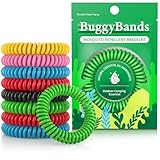
How Repellent Bracelets Claim to Work
Most bracelets are silicone or fabric bands infused with essential oils such as citronella, lemongrass, geraniol, or peppermint. A few use a refillable pellet or a small cartridge. Some are marketed as DEET-free and kid-friendly. The idea is that the oils evaporate and form a protective bubble around your wrist.
The problem is geometry and chemistry. Essential oil vapors dissipate quickly and fall off in strength with distance, so a band on the wrist does little for the ankles, neck, and face, where mosquitoes often bite. Agencies such as the US EPA and CDC point consumers toward repellents with registered active ingredients and note that products without them, including many wristbands, have not been shown to work reliably. The EPA also directs users to its tool for finding registered skin-applied repellents.
At a Glance: Options Compared
| Option | Best for | Maker-style claims | Limits |
|---|---|---|---|
| Essential oil silicone bracelet | Casual use, kids who dislike sprays | Natural oils, long wear time | Weak evidence; limited coverage |
| Refillable oil pellet band | Reusing the band | Replaceable pellets | Same coverage problem |
| Battery clip-on diffuser | Patio or camp seating | Active release of a repellent, per the maker | Works only within a small area; check the active ingredient |
| Skin spray with picaridin or DEET | Travel, outdoor hiking | Registered actives with stated hours of protection | Needs reapplication; smell or feel |
| Lemon eucalyptus (PMD) lotion | Plant-based preference | Registered botanical active | Not for very young children per labels |
| Permethrin-treated clothing | Hiking, camping | Treated fabric repels and kills | For clothing only, not skin |
What the Evidence Suggests
Studies in journals and consumer testing groups that have evaluated wristbands, including those with citronella, report minimal protection in realistic conditions. The CDC lists DEET, picaridin, IR3535, oil of lemon eucalyptus, para-menthane-diol, and 2-undecanone as active ingredients registered with the EPA that work; wristbands are not on that list. Registered repellent labels also give a rating and hours of protection that have been reviewed for safety and effectiveness, which a typical bracelet cannot claim.
That does not mean a bracelet is harmful. It means you should not rely on it where mosquito-borne illnesses such as dengue, malaria, or West Nile virus are a concern. In those places, follow health authority guidance and speak to a doctor or travel clinic.
If You Still Want a Bracelet: What to Look For
- A stated active ingredient. If the maker lists the oils and concentrations, that is more transparent than a vague “natural blend.”
- Skin-contact materials. Soft silicone or fabric without sharp edges reduces irritation, especially for children.
- Allergy notes. Essential oils can cause skin reactions. Stop using a band if rash or itching appears and see a doctor if it persists.
- Replacement schedule. The oil depletes. A band that never needs replacing probably isn’t releasing much.
- Waterproofing. If worn while swimming or washing hands, check the maker’s stated water exposure.
- Age guidance. Follow the maker’s age restrictions and keep bands away from mouths and eyes.
Better Ways to Cover Your Whole Body
Registered skin repellent
Picaridin and DEET products have the strongest track record according to public-health agencies. Apply to exposed skin only, avoid cuts and eyes, and apply sunscreen first when using both.
Treated clothing and gear
Permethrin-treated clothing and gear is used by hikers and campers. Follow the label: treatment is for fabric, not skin, and has handling cautions around cats and aquatic life.
Spatial devices and fans
Fans can reduce mosquito landings on a patio by blowing the insects away. Some area repellents use a heated mat or a coil; follow the manual closely and use only outdoors or as directed.
Screens and nets
Window screens, bed nets, and removing standing water around the home reduce mosquito exposure without any chemicals on skin.
Pick X If… Decision Table
| Pick this | If you… |
|---|---|
| Essential oil bracelet | Want a low-effort extra for a backyard evening and accept limited protection |
| Picaridin spray or lotion | Travel to areas with disease risk or hike in bug-heavy regions |
| Oil of lemon eucalyptus product | Prefer a plant-derived active and are buying for an adult or child over the labeled age |
| DEET product | Need maximum duration and are comfortable with the label instructions |
| Treated clothing | Spend long hours in brush or woods |
| Fan and screens | Want to avoid sprays on porches and playrooms |
Budget, Mid-Range, and Premium Tiers
Budget bracelets are plentiful, often sold in multi-packs, and are the easiest way to try the idea. Mid-range options bundle refillable pellets or clips. Premium options include rechargeable diffusers and clothing treatments. For real protection, the cost-effective choice is usually a registered spray rather than any wearable, since a bottle lasts for many outings.
Common Mistakes
- Trusting a bracelet in a malaria, dengue, or Zika region.
- Wearing several bands and assuming protection multiplies.
- Leaving the packaging open so the band loses scent before use.
- Forgetting that essential oils can irritate sensitive skin.
- Skipping repellent at dusk and dawn, when many species are most active.
- Applying spray under clothing, which is not required and not advised by labels.
Frequently Asked Questions
Do mosquito repellent bracelets work?
Evidence is weak. Public-health guidance favors repellents with registered active ingredients, and tests of wristbands generally show little protection. A bracelet may offer a small effect near the wrist, but it cannot cover your whole body.
Are repellent bracelets safe for children?
Many are marketed for kids, but essential oils can irritate skin. Follow the maker’s age guidance, keep the band away from the mouth and eyes, and stop use if a rash appears.
How long does a bracelet last?
Makers list durations ranging from days to weeks, but the oil fades with time and heat. If you no longer smell it, it has likely lost most of its effect.
What repellent do health agencies prefer?
The CDC and EPA point to registered active ingredients such as DEET, picaridin, IR3535, and oil of lemon eucalyptus. Choose one that fits your age, destination, and tolerance and read the label.
Can I use a bracelet and a spray together?
Yes, but the spray is doing the main job. Keep the bracelet away from broken skin and follow each product’s instructions.
Should I see a doctor before traveling to a mosquito-risk area?
Yes. A travel clinic can advise on vaccines, preventive medication, and the repellent that suits your trip. Do not rely on wearables alone.





Write Your Review
No reviews yet. Be the first to share your experience!