
- Top Pick: Epica Kitchen Compost Bin for Kitchen Countertops, 1.3 Galllon – Silver | Stainless Steel, Rust- Resistant, Airtight Leak-Resistant Lid, Replaceable Activated Charcoal Filter for Odorless Composting
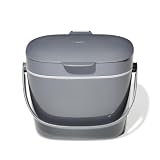
- Best Value: OXO Good Grips Easy-Clean Compost Bin, Charcoal , 1.75 Gal/6.62 L | Food Waste, Organic, Trash Disposal, Clean, Low-Effort, Conceals Bags, Locks in Odors, Smooth Interior, Kitchen Countertop
- Premium Choice: Utopia Kitchen Countertop Compost Bin 1.3 Gallon, Stainless Steel, Silver | Odorless countertop compost bin with charcoal filter, ideal for food scraps and waste
A countertop bin with a charcoal filter, such as the OXO Good Grips Easy-Clean Compost Bin or a stainless-steel model, is the right pick for most kitchens, a bag-lined bin under the sink suits larger households, and an electric kitchen composter such as the Lomi or Vitamix FoodCycler suits people who have no garden collection and want to process scraps indoors. The deciding factors are how much waste you produce, how often you empty the bin, whether your city collects food scraps and how tolerant you are of odor.
As an Amazon Associate we earn from qualifying purchases at no extra cost to you.



Quick comparison
| Type | Example | Best for | Limits |
|---|---|---|---|
| Plastic countertop bin | OXO Good Grips Easy-Clean Compost Bin | Daily scraps, easy cleaning | Small capacity, needs emptying every few days |
| Stainless-steel countertop pail | Utopia Kitchen and Epica style pails | Looks and durability | Filters need replacing; liners may be needed |
| Ceramic crock | Various ceramic compost crocks | Display on a counter | Heavy and breakable |
| Under-sink or cabinet-door bin | Bag-lined bins from various makers | Larger households | Needs a clean-out routine to avoid smells |
| Electric kitchen composter | Lomi, Vitamix FoodCycler | Homes without scrap collection | Makers state the output is a dried soil-like product, and the units draw electricity and cost more |
What to look at before buying
Capacity and size
Most countertop bins hold roughly a gallon or two, which is a few days of coffee grounds, peels and plate scrapings for a small household. Larger families usually do better with a bigger under-sink container or by emptying a small bin more often. Pick the footprint that fits under your upper cabinets, since lids that lift upward need clearance.
Odor control
Many makers include a replaceable charcoal filter in the lid to absorb odors, while others rely on tight seals. Filters wear out and manufacturers advise replacing them regularly, so read how often and whether replacements are sold. Frequent emptying matters more than any filter, and keeping scraps dry helps.
Material
Plastic is light and easy to rinse. Stainless steel resists staining and odors well, though cheaper steel can dent. Ceramic is heavy but attractive. Bamboo-fiber bins exist, but be cautious about long-term moisture exposure and check the maker’s care guidance.
Cleaning
Choose a bin with a removable liner, dishwasher-safe parts if the maker says so, and few crevices where scraps stick. A wide mouth makes scraping scraps from a cutting board easier.
Liners
Compostable liners keep the bin clean, but your local program may have rules on bag types. Check what your city or hauler accepts. Some people line bins with newspaper instead.
Picks by buyer
OXO Good Grips Easy-Clean Compost Bin for most people
OXO’s countertop bin is widely mentioned by home-goods reviewers for its simple lid and easy cleanup. The maker describes a design with a removable lid and a body shaped to be easy to wipe. It sits at the mid-range tier. Consider it if you want a no-fuss bin and are happy to empty it every few days.
Stainless-steel pails for a classic look
Brands such as Utopia Kitchen and Epica sell steel pails with charcoal filters. These suit buyers who want a clean appearance and durability. Read product details on whether the lid is removable for cleaning and whether replacement filters are sold. They generally sit at the budget to mid tier.
Full Circle Fresh Air and similar vented bins
Some bins use ventilation to reduce condensation and mold rather than relying on a sealed lid. Full Circle is one maker known for such designs. They suit people who prefer airflow and plan to empty frequently, though a sealed filter bin may be better if odor is a concern.
Lomi and Vitamix FoodCycler for indoor processing
Electric kitchen composters are positioned by their makers as a way to turn food scraps into a dried, soil-like material in hours. They suit apartment dwellers without curbside food-waste collection. Note that they require power and counter space, and makers state limits on what you can put in. Read the manual about bones, shells and oils. The result is generally described as a soil amendment to be mixed into soil or composted further, rather than finished compost.
Under-sink bins for big households
Households that produce a lot of scraps can use a larger lidded bin under the sink or on a cabinet door. These need a strict emptying routine, and you should wash them regularly.
Pick-this-if decision table
| Your situation | Pick | Why |
|---|---|---|
| Small household, curbside food-scrap pickup | OXO countertop bin | Easy to clean, small footprint |
| You want durability and style | Stainless-steel pail | Resists stains and looks neat |
| Warm kitchen, odor worry | Sealed bin with filter, emptied often | Reduces smell |
| Apartment with no collection | Electric composter such as Lomi or FoodCycler | Processes scraps indoors |
| Big family | Large under-sink bin | More capacity |
| Garden with backyard heap | Any countertop caddy | Short trips to the outdoor pile |
What to compost and what to avoid
Fruit and vegetable scraps, coffee grounds, tea bags without plastic, and crushed eggshells suit most systems. Meat, dairy, oils and cooked leftovers are often excluded from home heaps and some municipal programs, but some city programs accept them. Check local rules. Electric units have their own lists, so follow the manual.
Common mistakes
- Buying a tiny bin for a family and then leaving scraps for a week.
- Ignoring local rules on compostable liners.
- Not replacing charcoal filters when the maker advises.
- Placing the bin next to the stove, where heat speeds decay and odor.
- Expecting an electric composter to create finished compost in the same way as an outdoor heap.
Keeping a bin fresh
Empty it every few days, rinse and dry it thoroughly, and wipe the lid seal. Layering a paper towel at the bottom absorbs liquid. Some people freeze scraps in a container and move them to the outdoor bin at collection time. If you notice fruit flies, empty the bin and clean it, and keep the lid closed tightly.
Frequently Asked Questions
Where should I keep a kitchen compost bin?
Keep it near where you prep food, away from the stove and direct sun. A shaded counter or a cabinet is typical. Heat speeds smell, so a cooler spot helps.
Do charcoal filters really work?
Makers state they absorb odors, and many users report a noticeable difference at first. They wear out over time and need replacing. Emptying often does more for odor than a filter.
Is an electric composter worth it?
It depends on whether you have access to food-scrap collection. Makers describe a quick cycle that dries and grinds scraps, but the units cost more and use power. If your city collects scraps, a simple bin is usually enough.
Can I use plastic bags as liners?
Standard plastic bags are not accepted by most compost programs. Use only compostable liners if your hauler permits them, or line the bin with paper. Check local rules.
How often should I empty the bin?
Every two to four days for a small countertop bin is common advice, sooner in warm weather. Large under-sink bins may last a week with a good lid. Empty sooner if you smell or see liquid.
How do I clean a compost bin?
Empty it, wash with warm soapy water, rinse and dry. Follow the maker’s instructions on dishwasher use. Soak stubborn residue before scrubbing.





Write Your Review
No reviews yet. Be the first to share your experience!