
- Top Pick: Abs Stimulator Muscle Toner, Powered EMS Muscle Stimulator for Home Use, for Muscle Conditioning (Belts with Armbands)
- Best Value: Smiofo ABS Stimulator, Muscle Machine Workout Equipment, Ab Toning Belt Muscle Toner Fitness Training for Abdomen/Arm/Leg, Ab Trainer for Home Body Shape
- Premium Choice: EMS Ab Stimulator Muscle Toner with High-Frequency Vibration Massage Belt | EMS Muscle Stimulator, Warmth, Red-light and 6-Speed Vibration, A Premium Thoughtful Gift for Mom Wife Dad LOVERS
Long gaming sessions and desk-bound work suit a small, rechargeable EMS unit with a TENS mode, and the Compex range is the most established place to start, while a belt-style toner suits people who only want light core work. Whatever you choose, treat it as a recovery and conditioning accessory, not a replacement for training, and read the manual before the first session.
As an Amazon Associate we earn from qualifying purchases at no extra cost to you.


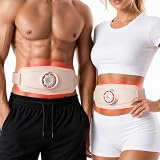

What an EMS muscle toner actually does
Electrical muscle stimulation sends small pulses through adhesive pads so that a muscle contracts without you flexing it. Makers position these devices for warm-up, recovery, and supplementary strength work. TENS is a different setting: it uses pulses aimed at sensations in the skin and is usually sold for discomfort relief. Many modern units combine both, which is why the product names often read “EMS muscle stimulator with TENS”.
For gamers the appeal is practical. Hours in a chair leave the back, neck, and forearms tight, and a compact unit can be used after a session. Reviewers generally describe the effect as a contraction sensation rather than a workout in itself, so expectations should stay modest. Nothing here is a medical treatment, and results vary by person.
Who should not use one
Stimulators are not for everyone. Makers typically list contraindications such as implanted electronic devices (for example pacemakers), pregnancy, epilepsy, and use over the chest, neck, or broken skin. If you have any medical condition, an implant, or ongoing pain you do not understand, talk to a doctor or physiotherapist before you buy. Stop using the device and seek advice if you get skin irritation, burns, or unusual pain.
At a glance: the models worth knowing
| Model | Type | Best for | Notes from the maker | Limit |
|---|---|---|---|---|
| Compex SP 8.0 | Wireless EMS with TENS | Frequent users who want the top of the range | Listed by the maker as its flagship wireless stimulator | Premium tier; sometimes listed as out of stock |
| Compex SP 4.0 | Wireless EMS with TENS | Regular users wanting a lighter feature set | Mid-to-premium line from the same maker | Fewer features than the SP 8.0 |
| Compex Fit 5.0 | EMS with TENS | Fitness-minded buyers starting out | Positioned by the maker as a fitness entry to the brand | Not the most advanced programme set |
| Compex Corebelt 5.0 | EMS belt | Light core stimulation while seated or moving around | Maker describes it as a core-targeted belt | Limited to the abdominal area |
| Generic pad-and-controller kits | EMS or TENS | Budget curiosity | Varies widely | Safety documentation and pad quality differ |
The maker’s own pages list the SP 8.0, SP 4.0, Fit 5.0, and Corebelt 5.0 as current products. Detailed output specifications are not displayed on the main page, so compare the full manual for channel count, programme list, and battery life before you commit.
How to choose
Channels and pad count
More channels let you stimulate more than one muscle group at once. A single pair of pads is fine for a forearm or calf. If you want to work thighs and back in the same session, look for four channels or a wireless pod system.
Programmes and intensity control
Good units separate warm-up, recovery, endurance, and TENS programmes, and let you raise intensity in small steps. Fine adjustment matters more than a long list of programmes you will never use.
Wireless versus wired
Wireless pods remove cable tangle, which is nice at a desk. Wired units are usually simpler and cheaper, and the leads rarely fail. Either works; pick by how you will actually use it.
Pad care
Adhesive pads wear out. A cheap controller that needs expensive proprietary pads is a trap, so check that replacements are easy to get and that the pad size matches the muscle group.
Pick X if you…
| If you… | Pick | Why |
|---|---|---|
| Train regularly and want the widest feature set | Compex SP 8.0 | Maker’s flagship wireless unit |
| Want strong brand support without the top tier | Compex SP 4.0 | Same family, fewer extras |
| Are new to EMS | Compex Fit 5.0 | Entry route into the same maker |
| Mainly care about the core | Compex Corebelt 5.0 | Belt format, one placement |
| Only want a pain-relief style TENS | A dedicated TENS unit | Simpler and often cheaper than full EMS |
Budget tiers explained
Budget units usually offer one or two channels, wired pads, and a handful of programmes. They can be fine for casual use if the maker supplies clear instructions and safety information. Mid-range units add more channels, better pad quality, and rechargeable batteries. Premium wireless systems add app control, many programmes, and sturdier build. Avoid any unit that cannot name its safety standards or provide a full manual in your language.
Alternatives to consider
- Percussion massage guns: a different technology for the same recovery goal. They do not contract muscles electrically, so they suit people who dislike the EMS sensation.
- Foam rollers and resistance bands: low-cost tools that support a stretching and mobility routine. They are not electronic and have no contraindications for implants.
- A standalone TENS unit: sensible if your goal is simple discomfort relief rather than muscle activation.
- A physiotherapist-led plan: the best option when you have persistent back, neck, or wrist trouble from heavy gaming.
Common mistakes
- Placing pads on the chest, neck, or head, or over broken skin.
- Starting at high intensity. Begin low and increase gradually as the manual describes.
- Using worn-out pads that no longer stick well, which can cause uneven current and skin irritation.
- Expecting visible results without diet, sleep, and training.
- Skipping the manual. Pad placement diagrams exist for a reason.
Using it around a gaming routine
Most people who use stimulators alongside gaming do so after a session, not during one, because the contractions pull attention away from a controller or mouse. Short sessions on the forearms, upper back, and calves are typical. Hydrate, keep pads clean, and give your skin a day off if it looks red. If a hand or wrist condition is the real concern, ergonomics and breaks usually matter more than any gadget.
Session habits that keep it comfortable
Clean and dry the skin before placing pads, and trim hair if it prevents good contact. Start each session at a low level and increase slowly until you feel a clear but comfortable contraction, never a sharp or burning sensation. Keep sessions to the duration in the manual, and leave rest days between sessions on the same muscle. Remove pads by peeling from the edge, and replace them on their liner after use. If your skin reacts, pause use and ask a health professional. Keep the device away from water and do not use it while driving or sleeping.
Frequently Asked Questions
Is an EMS toner the same as a TENS unit?
Not exactly. EMS aims to make muscles contract, while TENS targets sensations in the skin and is usually sold for discomfort relief. Many devices include both modes, which is why they are often sold together.
Can I use it while gaming?
Some people do on the legs or core, but the contractions can distract and interfere with fine control. Using it after a session is the more common approach. Follow the manual for placement and duration.
Will it replace the gym?
No. Makers describe EMS as a supplement for warm-up, recovery, or extra conditioning. Regular movement, sleep, and nutrition remain the foundation.
Who should avoid EMS devices?
People with pacemakers or other implanted electronics, pregnant users, and those with epilepsy are commonly told to avoid them. Anyone with a medical condition should ask a doctor first. The device’s manual lists its own warnings.
How long do the pads last?
It depends on use and skin care, but pads gradually lose stickiness and need replacing. Store them on their sheet, keep skin clean, and replace them when they stop adhering firmly.
Is the belt format worth it?
It suits people who only want core stimulation and like not fiddling with individual pads. If you want to work other muscle groups, a multi-channel stimulator with separate pads is more flexible.







Write Your Review
No reviews yet. Be the first to share your experience!