
For a single room, a cold-air nebulizing diffuser such as the Pura or Aera smart fragrance diffusers is the simplest whole-home-style scent option, while a larger home benefits from an HVAC-connected system or several plug-in devices placed zone by zone. The right choice depends on how large your space is, whether you want app scheduling, and how you feel about essential oils versus fragranced oils.
As an Amazon Associate we earn from qualifying purchases at no extra cost to you.
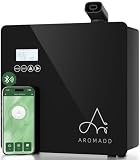
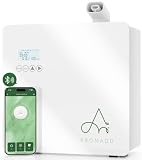
At a Glance
| System type | Example makers | Best for | Main limit |
|---|---|---|---|
| Smart plug-in fragrance diffuser | Pura, Aera, Airwick connected models | Rooms and small open areas, app schedules | Needs an outlet, vials or refills are proprietary |
| Cold-air nebulizing diffuser | Pura, Organic Aromas, Vitruvi, Aromatech-style units | Stronger, cleaner dispersal without heat | Oil use is higher, needs regular cleaning |
| Ultrasonic oil diffuser | Vitruvi, Urpower and many others | Bedroom and desk, extra humidity | Water tank cleaning, light scent throw |
| HVAC scent system | Prolitec, Scentair, Aroma360 and similar | Large homes, whole-house coverage | Professional install, ductwork needed |
| Wax warmer or plug-in warmers | Yankee Candle, Bath and Body Works style | Budget scenting of small rooms | Heated element, shorter scent consistency |
| Reed diffuser and room spray | Many brands | Low-effort, no power | Hard to adjust strength |
Information here follows the makers’ own product pages and general reviews from outlets such as Wirecutter and The Spruce. Models change, so confirm the version currently sold.
How Home Scent Systems Work
Nebulizing and cold-air diffusion
Nebulizing diffusers break fragrance oil into tiny particles with pressurised air, with no water and no heat. Makers claim this preserves the fragrance profile and avoids tank cleaning. Smart models such as Pura use vials that click into the base, with app control for intensity and schedule.
Ultrasonic diffusers
These use water and a vibrating plate to create a fine mist. They add a bit of moisture and are inexpensive, but the scent is generally lighter. Tanks need rinsing so they do not grow residue.
HVAC integration
Commercial-style systems attach to the air handler and spread scent through the ducts. Prolitec and Scentair are known in hospitality, and several home brands offer residential kits. These systems should be installed by an HVAC technician, and you should follow the maker’s guidance on oils compatible with your equipment.
Heated warmers
Wax warmers and electric plug-ins melt scented wax or oil. They are cheap and simple, but heating elements need attention. Keep them away from children and pets and follow the maker’s safety notes.
Choosing by Space
| Space | Reasonable approach |
|---|---|
| Small room or bathroom | Plug-in smart diffuser or ultrasonic unit |
| Open-plan living area | One or two nebulizing diffusers placed centrally |
| Multi-level home | One diffuser per floor or an HVAC-connected system |
| Office or studio | Compact diffuser on a timer |
| Gaming room or PC setup | Low-intensity diffuser kept away from fans, filters and electronics |
Features Worth Weighing
- Coverage claim: Makers often cite square footage, so consider how closely it matches your room and whether doors are kept open.
- App and scheduling: Useful if you want the scent only while at home. Check whether the app needs a cloud account.
- Refill system: Proprietary vials lock you into a brand, while open-tank diffusers accept different oils.
- Noise: Nebulizers can hum or click, and ultrasonic units can gurgle. Check reviews if the bedroom is the target.
- Auto shut-off: Some makers list auto shut-off for water or timers. Treat it as a feature only when the maker states it.
- Cleaning: Nebulizer glassware and ultrasonic tanks need periodic cleaning according to the manual.
- Intensity control: Look for adjustable levels so you can keep scent subtle.
Pick This If
| Pick this if you | Choose |
|---|---|
| Want a hands-off scent routine | Smart plug-in diffuser with app schedule |
| Prefer pure essential oils without water | Cold-air nebulizer with open glass reservoir |
| Need a bit of humidity as well | Ultrasonic diffuser |
| Own a large home with ductwork | HVAC-connected system, professionally installed |
| Are on a modest budget | Wax warmer or reed diffuser |
| Are sensitive to strong scents | Subtle reed diffuser or a diffuser with low intensity settings |
Budget, Mid-Range and Premium Tiers
Budget scent systems rely on reed diffusers, wax warmers and basic ultrasonic units. Mid-range options include many smart plug-ins and nebulizers with scheduling. Premium tiers cover refined nebulizing diffusers with ceramic or glass finishes and commercial-grade HVAC systems. Refill costs matter over time, so factor in how long a vial or bottle lasts according to the maker.
Safety and Health Notes
- Fragrance can irritate eyes, airways or skin in some people. Stop use and seek advice from a doctor if you notice symptoms.
- Pets, especially cats and birds, can be sensitive to certain essential oils. Ask your vet before using diffusers in shared spaces.
- Keep oils and refills away from children and use only the products the maker allows in the device.
- Do not place diffusers on delicate surfaces without a mat, as oils can mark finishes.
- For ductwork systems, follow the maker’s compatibility guidance and consult an HVAC professional.
- Asthma, allergies or respiratory conditions warrant a conversation with a doctor before adding fragrance to your home air.
Placement Tips
Set a diffuser at roughly table height, away from vents that pull scent straight out of the room and away from direct sunlight. Start on the lowest setting and a short schedule, then raise it gradually, since noses adapt quickly and it is easy to overdo it. Open-plan spaces often need the device near the centre rather than a corner.
Alternatives
- Candles and incense: Familiar and atmospheric, but they involve flame and smoke.
- Simmer pots and natural ingredients: Low-cost scent from citrus or spices, with no electronics.
- Air purifiers with no scent: If the goal is to reduce odours, filtering and ventilation can work better than covering them.
Common Mistakes
- Running a diffuser too strongly in a small room.
- Skipping cleaning, which can cause clogging or stale smell.
- Using oils not approved by the maker, which may damage plastic reservoirs.
- Placing devices near heat sources or electronics.
- Assuming one device will cover several closed rooms.
Frequently Asked Questions
What is the best way to scent an entire home?
For whole-house coverage, an HVAC-connected system is the most direct option, but it needs professional installation. Many people get adequate results from one diffuser per floor.
Are nebulizing diffusers better than ultrasonic ones?
Nebulizers deliver stronger, undiluted scent without water or heat, according to makers. They use more oil, while ultrasonic units are cheaper and add light humidity.
Are home scent systems safe for pets?
It depends on the oils and the animal. Some essential oils can be harmful to cats, dogs and birds, so ask your vet and keep rooms ventilated.
How long do scent refills last?
The maker usually states a duration per vial or bottle based on intensity and schedule. Use lower settings and timers to stretch them out.
Can I use any essential oil in a diffuser?
Not always. Nebulizers and smart diffusers often specify compatible oils, and thick or resinous oils can clog some designs. Follow the manual.
Will a diffuser help with odours?
It can mask them, but it does not remove the source. Cleaning, ventilation and filtration deal with the cause of odours more effectively.







Write Your Review
No reviews yet. Be the first to share your experience!