
- Top Pick: Snowboard Apparel – Snowboarding Snowboarder Snowboard Pullover Hoodie
- Best Value: GURUNVANI Contrast Color Pullover Hoodie Mens Patchwork Hoodies Men Black | unisex inspired fit, streetwear style, midweight fabric, drawstring hood, kangaroo pocket
- Premium Choice: HISITOSA Men's Fleece Double Neckline Hoodie with Face Mask Techwear Black | Soft Cotton Pullover with Neck Gaiter Casual Hooded Unisex Long Sleeve Sweatshirts Fall Winter Clothes
The best snowboard hoodie depends on how you ride. If you ride resort days in cold weather, a water-resistant tech fleece or softshell riding hoodie from a snowboard brand such as Burton, Volcom, Airblaster, Picture Organic Clothing or Dakine suits you. If you ride in wet snow, choose a hoodie with a waterproof or water-repellent outer layer. If you mostly wear it before and after the lift, a plain cotton-blend hoodie is enough and costs less. This guide explains the types, what the makers state, and how to match them to conditions and layering.
As an Amazon Associate we earn from qualifying purchases at no extra cost to you.

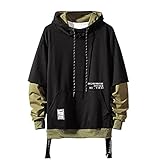


What makes a hoodie a “snowboard” hoodie
A standard fashion hoodie is cotton-heavy and soaks up moisture, which then stays against your skin. Snowboard brands design riding hoodies differently. Common features include polyester or fleece fabrics, a water-repellent finish, a hood that fits under or over a helmet, thumbholes or longer cuffs that sit under gloves, a longer back hem for seated falls and a zip or kangaroo pocket that works with gloves on. Brand pages describe these features differently, so read each maker’s own product description and sizing notes.
Gamers who also board often ask this question because hoodies are the default clothing at the desk and on the hill. A single piece can work for both, but a hoodie is a mid layer, not a jacket. In very cold or wet weather it still needs a shell on top.
The main types
Tech fleece and grid fleece hoodies
Brushed or grid fleece in polyester traps warmth and moves moisture better than cotton. These hoodies typically sit under a shell jacket. Burton, Airblaster and others have offered lines in this style. They are the usual choice for people who ride all day in cold, dry conditions.
Water-repellent riding hoodies
These have a durable water repellent (DWR) outer face, sometimes with a fleece interior. They shed light snow and spray but are not waterproof in heavy wet conditions. Makers usually describe them as resistant rather than proof, and you should treat that wording seriously.
Softshell hoodies
Softshell fabrics give more wind resistance and stretch. They suit spring riding, cold mornings and people who run warm. They are often the most versatile single piece, though they may breathe less than open fleece.
Insulated hybrid hoodies
A hybrid uses synthetic insulation in the body and fleece or knit in the sides and sleeves. They are warmer for the weight and good for cold lift lines, but may overheat on active days.
Casual cotton-blend hoodies
Brands such as Volcom and many others make heavier cotton-blend hoodies in snowboard styling. These suit après and travel, not a full day in snow. If you wear one riding, expect it to hold moisture.
At a glance
| Type | Best for | Stated strengths | Limits |
|---|---|---|---|
| Grid or tech fleece | Cold, dry resort days under a shell | Warmth for weight, moisture handling | Not wind or water proof alone |
| Water-repellent riding hoodie | Light snow, spray, mixed days | DWR face, helmet-friendly hood | Soaks through in sustained wet |
| Softshell hoodie | Spring, wind, active riders | Stretch, wind resistance | Less warm without a base layer |
| Insulated hybrid | Cold lift lines, low activity | Warmth with a hoodie profile | Can overheat on hard days |
| Cotton-blend hoodie | Après, travel, mild days | Comfort, price tier | Holds moisture; poor for all-day riding |
What to look for on the product page
- Fabric content. Polyester, fleece or softshell fabrics dry faster than cotton. If the page lists mostly cotton, treat it as casual wear.
- Water repellency. Look for “DWR”, “water-repellent” or a stated waterproof rating. Do not assume a hoodie is waterproof unless the maker says so, and expect a DWR finish to wear off with washing.
- Hood design. Check whether the maker says the hood fits over a helmet, under a helmet, or neither. This matters for wind and for fit under a jacket hood.
- Cuffs and thumbholes. Thumbholes keep sleeves in place under gloves and reduce wrist gaps, but can cause bunching in a jacket.
- Pockets. Zip pockets hold a pass, phone or key. Kangaroo pockets are easy for cold hands but open to snow.
- Length. A longer back hem keeps your lower back covered when sitting in the snow or bending to strap in.
- Sizing and fit. A hoodie meant to sit under a jacket should fit closely, not bulkily. If you want to layer, check the maker’s size chart and whether the cut is “regular” or “relaxed”.
- Care instructions. Technical fabrics may need specific washing methods to preserve DWR. Follow the care tag.
Layering: where the hoodie goes
A typical layering system is a base layer next to skin, a mid layer such as the hoodie, then a shell jacket. Cotton as a base layer is widely discouraged by outdoor-clothing brands because it retains moisture. Wear a synthetic or merino base layer instead. The hoodie then provides warmth, and the shell stops wind and water. If you ride on cold days with a shell, a thin fleece hoodie may be enough. On warm days, a hoodie can be your outer layer if it has a water-repellent face.
Gamers sometimes overlook one detail: if you plan to use the hoodie as casual wear in the evening, avoid versions with large technical zips or reflective trims you may not like in the lodge. If you will wear it daily, pick a quieter design.
Pick X if you…
| Pick this | If you… |
|---|---|
| Tech or grid fleece hoodie | ride long cold days with a waterproof shell on top |
| Water-repellent riding hoodie | get light snow and want one piece that handles spray |
| Softshell hoodie | ride in spring or in windy exposed terrain |
| Insulated hybrid | spend time on cold chairlifts and do not sweat much |
| Cotton-blend hoodie | want a casual snowboard-brand look for the lodge or travel |
Budget tiers, without prices
Budget hoodies are typically cotton blends or basic polyester fleece, fine for casual use and mild days. Mid-range hoodies add water-repellent finishes, better cuffs and hoods, and more careful sizing. Premium options bring technical fabrics, insulation and sometimes recycled or lower-impact materials, which brands such as Picture Organic Clothing emphasize. Pay for the tier that matches the weather you ride in, not the logo.
Common mistakes
- Wearing a cotton hoodie as the only layer on a wet day.
- Buying a hood that does not fit with your helmet, leaving a gap at the neck.
- Choosing a baggy fit that bunches under a jacket.
- Washing technical fabrics with fabric softener, which can reduce water repellency.
- Assuming “water-repellent” means waterproof.
Alternatives
- Technical shell jacket plus base layer. If you often ride in wet conditions, a proper shell and a thin fleece may beat a single hoodie.
- Fleece half-zip. Warm and simple, without a hood to manage under a helmet.
- Insulated vest. Adds core warmth without sleeve bulk, useful when arms overheat.
Frequently Asked Questions
Can I wear a normal hoodie snowboarding?
You can for a short mild day, but cotton absorbs moisture and stays cold when wet. A synthetic or fleece hoodie dries faster and is more comfortable for a full day. Always put a shell on top in snow.
Are snowboard hoodies waterproof?
Most are water-repellent rather than waterproof. Check the maker’s description: it should say waterproof and may give a rating if it is. A hoodie with a DWR finish handles light snow but not sustained wet conditions.
Should a snowboard hoodie fit over or under a jacket?
Most riders wear it as a mid layer under a jacket, so a close, slightly trim fit works best. Some brands design oversized hoodies for casual wear, which can bunch under a shell.
Does the hood fit under a helmet?
It depends on the design and on your helmet. Makers sometimes state whether the hood is helmet-compatible. If you are unsure, try the combination on in a store or check the return policy.
How do I wash a technical hoodie?
Follow the care tag. Many outdoor brands advise gentle detergent, no fabric softener and low heat drying so the water-repellent finish lasts longer.
Is a fleece hoodie enough for cold days?
For cold, dry days it is often enough under a shell. In very low temperatures or wind, add a warmer base layer or an insulated mid layer. If you have health conditions affected by cold, follow your doctor’s advice about time outdoors.



Write Your Review
No reviews yet. Be the first to share your experience!