
- Top Pick: American Flag 3×5 ft, Made in USA by US Certified Manufacturer, Super Durable 100% Nylon Heavy Duty Flag, Fade Resistant, UV Protected, Tear Proof, All Weather Flag for Indoor and Outdoor Use
- Best Value: American Flag Made in USA | American Flags for Outside 3X5 | Premium US Flag 3X5 Heavy Duty Outdoor with Embroidered Stars and Sewn Stripes.FMAA Certified
- Premium Choice: American Flags for Outside 3×5-100% Polyester MADE IN THE USA -Indestructible Durable Outdoor Heavy Duty Spun Polyester -US Flags 3×5 Outdoor -American Flag Sewn Stripes and Embroidered Stars – FMAA Certified
For a 3×5 foot flag that survives wind and weather, buy a 2-ply polyester or heavy nylon flag with sewn stripes, embroidered stars, brass grommets and a reinforced canvas header, and expect to replace even the best one every year or two in a windy spot. Heavy duty here means better materials and stitching, not immunity to fraying. Annin, Valley Forge and Eder are among the makers most commonly named by buyers who want a sturdy US-made flag.
As an Amazon Associate we earn from qualifying purchases at no extra cost to you.


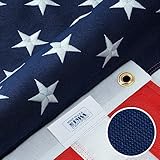

What heavy duty actually means
A flag fails at the fly end, where the fabric whips in the wind. Heavy-duty construction addresses that with thicker fabric, extra stitching and a firm header. Look at four things: fabric, stitching, stars and hardware.
At a glance
| Option | Best for | Stated traits | Limits |
|---|---|---|---|
| Annin Nyl-Glo nylon | Homes, mild to moderate wind | Maker lists sewn stripes and embroidered stars on nylon, made in the USA | Nylon can fade with strong sun over time |
| Annin Tough-Tex polyester | Harsh wind, commercial use | Heavier polyester construction listed for tough conditions | Less light and flowy; heavier on the pole |
| Valley Forge nylon or polyester | General home use | US-based maker with several fabric grades | Check which fabric grade you are buying |
| Eder Flag | Buyers wanting a long-running US maker | Offers nylon and polyester flags in 3×5 size | Product names change; read the listing details |
| Printed polyester or budget imports | Short-term display | Lower cost | Printed stars and stripes fade and fray faster |
Fabric choices
Nylon
Nylon is light, dries quickly and flies in a light breeze. It is the traditional choice for home flagpoles, and reviewers often praise its colour and flow. It is less durable in very strong or constant wind.
Polyester
Polyester is heavier and more resistant to sun and mildew. Two-ply polyester is the typical heavy-duty choice for windy sites, though it needs more breeze to fly well.
Cotton
Cotton looks classic but absorbs water and wears out faster outdoors. It suits indoor or ceremonial use better than a permanent pole.
Construction details
- Sewn stripes: Individual strips sewn together are stronger than printed designs.
- Embroidered stars: Stars sewn onto the canton last longer than printed ones.
- Lock-stitched fly end: Rows of stitching at the fly end slow fraying; look for four rows or more.
- Header and grommets: A canvas or heavy header with brass or stainless grommets holds up better than plastic.
- Size: 3×5 feet is standard for a 15 to 20 foot pole or a wall-mounted bracket. Check pole length and flag size guidance from the maker.
Budget tiers
| Tier | Typical choice | Notes |
|---|---|---|
| Budget | Printed polyester | Fine for short display; expect fading |
| Mid-range | Sewn nylon with embroidered stars | Best balance for home use |
| Premium | 2-ply polyester or heavy nylon from a US maker | Best for exposed or commercial locations |
Pick X if
| Pick this | If you |
|---|---|
| Nylon, sewn | Live in moderate wind and want better flow |
| 2-ply polyester | Have a gusty, exposed pole |
| Printed polyester | Want a cheap flag for a one-time event |
| Cotton | Display indoors or on special occasions |
Care and display etiquette
The US Flag Code advises that a flag flown at night should be illuminated, and that all-weather flags can be flown in bad weather while others should be brought in. Respect the maker’s care instructions. Hand wash a dirty flag with mild soap, air dry it fully, and retire a badly worn flag respectfully, for example through a local veterans organization or Scouts group that holds retirement ceremonies.
Common mistakes
- Buying a flag that is too large or too small for the pole.
- Choosing printed designs for a permanent exposed pole.
- Letting the flag wrap around the pole; a swivel clip or spinner ring helps.
- Flying a frayed flag; trim a small fray or replace it.
Alternatives
Look at Flags Unlimited and other US-based makers if the main names are not available. If wind is a constant problem, fly the flag from a slightly shorter pole or pick a heavier fabric. A wall bracket with a short pole can also reduce stress on the fabric compared with a tall mast.
Hardware and mounting
A heavy flag is only as good as what holds it. Use a swivel snap hook or a rotating mounting ring so the header does not twist around the pole, and choose stainless or brass hardware that will not rust and stain the fabric. On a house-mounted bracket, a pole at roughly a 45 degree angle keeps the flag clear of shrubs and gutters. Tie off loose halyard rope so it does not slap and wear the pole finish.
How wind and sun shorten flag life
Constant flapping wears the fly end first, then the stitching. Ultraviolet light fades reds faster than blues, a pattern owners often notice before the fabric fails. If your pole faces a prevailing wind or open field, expect shorter life and plan on keeping a spare so you can swap flags promptly. Taking the flag down in storms, as the Flag Code advises for non-all-weather flags, also extends its life.
Reading product listings carefully
Phrases like heavy duty are not standardized. Look for specifics: the fabric type, number of plies, stitching count, how the stars are made and where the flag is sewn. A listing that gives only a dimension and a marketing slogan tells you little. Maker websites usually list construction in more detail than reseller pages.
Frequently Asked Questions
Is nylon or polyester better for an American flag?
Nylon flows better and is traditional for homes. Polyester is generally more durable in heavy wind. The right choice depends on how exposed your flagpole is.
How long does an outdoor flag last?
It depends on wind, sun and fabric. Many owners replace a flag every year or two, and sooner if the fly end starts to fray.
What size flag fits a 20-foot pole?
Many flag guides suggest a 3×5 or 4×6 flag for poles around 15 to 20 feet. Follow the pole maker’s guidance if it gives a size.
Does made in the USA matter?
Many buyers prefer US-made flags for the symbolism and for the sewn construction. Check the maker’s description for where it is made and how it is assembled.
Should I take the flag down in rain?
The US Flag Code suggests not flying a flag in inclement weather unless it is an all-weather flag. Nylon and polyester are generally treated as all-weather fabrics.







Write Your Review
No reviews yet. Be the first to share your experience!