
For most landscape photographers, the Peak Design Travel Tripod in carbon is the easiest pick when packability matters, the Gitzo Series 1 Traveler suits those who want premium build, Benro suits heavier kits and tighter budgets, and Sirui suits ultralight or value-focused buyers. Match the tripod to your heaviest camera and lens, then to how far you walk with it.
A landscape tripod has a harder job than most: it has to hold a camera still for long exposures, stay steady on uneven ground and in wind, and still be light enough to carry up a hill. Carbon fiber helps because it is lighter than aluminum and absorbs vibration well, which is why most enthusiasts end up choosing it. The trade-off is cost, and the reason to read specs carefully is that listed height and load figures do not always reflect real stability.
As an Amazon Associate we earn from qualifying purchases at no extra cost to you.
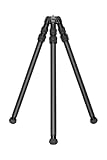

At a Glance: Leading Carbon Tripods
| Model | Best for | Key stated or reported details | Limits |
|---|---|---|---|
| Peak Design Travel Tripod (carbon) | Compact travel and hiking | Reported at about 152 cm maximum height and about 1.29 kg | Premium price tier; collapsed shape is unusual |
| Gitzo Series 1 Traveler (GK1545TA kit) | Premium lightweight build | Reported at about 3.2 lb, about 65 inches tall, about 22 lb load | Premium price tier |
| Gitzo Systematic Series 3 | Heavy professional use | Described as a heavy-duty professional option | Heavier and costlier |
| Benro Rhino FRHN34C | Heavy landscape kits | Named best for heavy kits in a 2026 roundup | Larger and heavier than travel models |
| Benro Superslim 1.5 | Lower budget tier | Named the best sub-premium pick in one guide | Less load capacity than larger models |
| Sirui T-2204X | Premium travel alternative | Described as a rival to Peak Design | Fewer long-term reviews than established brands |
| Sirui Traveler 7C | Ultralight carry | Named the ultralight pick | Light weight limits stability under big lenses |
Why Carbon Fiber for Landscapes
Carbon fiber legs weigh less than comparable aluminum and damp vibration, which matters for long exposures. They also feel less cold in winter and resist corrosion from salt spray or wet ground. The drawback is price, plus the fact that legs can be damaged by impact. Take care with the clamps and rinse the leg sections after use near the sea, following the maker’s care guidance.
Peak Design Travel Tripod
Several 2026 roundups name this carbon model the best overall for landscape and travel. Daily Camera News lists it at about 152 cm maximum height and about 1.29 kg. Its appeal is how compactly it packs, and its design is aimed at people who hike or fly with their gear. Reviewers describe it as expensive. It suits mirrorless users with moderate lenses; if you routinely mount very large telephotos, check the maker’s stated load rating first.
Gitzo Series 1 Traveler
Matt Purciel’s 2026 guide names the Gitzo Series 1 Traveler kit as his top pick, listing it at about 3.2 pounds, 65 inches high and rated for about 22 pounds. He describes it as the tripod he reaches for most. Gitzo also makes the Systematic Series 3, which Daily Camera News names as its heavy-duty professional choice. Gitzo suits buyers who want long-term durability and are comfortable with a premium price tier.
Benro
Benro appears often in value and heavy-duty lists. The Rhino FRHN34C is named best for heavy landscape kits, the Rhino 34C with a VX30 head is called the best-value carbon option because it includes a high-capacity ball head, and the Superslim 1.5 is listed as a strong pick for a lower budget. The Mach3 TMA37C is described as a step up for people who find travel tripods wobbly under heavier gear.
Sirui
Austin Gallery calls the Sirui T-2204X a premium travel alternative to Peak Design for those who want to avoid the highest price tier. The AM-254 with K-20X is listed as a compact budget carbon option, the Traveler 7C as an ultralight pick, and the L-324F with PH-10 as a choice for heavy telephoto lenses. Sirui suits buyers who want modern features without paying for the top brand names.
How to Choose
- Load rating. Pick a tripod rated well above your camera, lens and head combined. Makers state a maximum load, but reviewers often suggest staying well under it for sharp long exposures.
- Folded length and weight. If you hike, these are the deciding factors. A shorter collapsed length fits a pack more easily.
- Maximum height. You should be able to reach eye level without raising the center column fully, because a raised column reduces stability.
- Minimum height. Low-angle shots need legs that splay wide or a reversible column.
- Leg locks. Twist locks are weather-resistant and quick. Lever locks are easy to see and tighten. Choose what you can operate with gloves.
- Head. Ball heads are quick; geared or panoramic heads give precision. Check that the head’s rated load suits your gear.
- Spikes and feet. Replaceable feet help on rock or mud.
Pick Table: Which Tripod for Which Photographer
| Pick this if you… | Choose | Reason |
|---|---|---|
| Hike or fly often | Peak Design Travel Tripod | Compact and light, per reviewers |
| Want a premium, long-lasting build | Gitzo Series 1 Traveler | Top pick in a 2026 guide |
| Carry a heavy lens | Benro Rhino FRHN34C or Sirui L-324F | Named for heavy kits |
| Want a lower budget carbon option | Benro Superslim 1.5 or Sirui AM-254 | Named budget picks |
| Prioritise the lightest weight | Sirui Traveler 7C | Named the ultralight choice |
Alternatives
A good aluminum tripod from the same brands can match carbon on stability at a lower price tier, with extra weight. A tabletop tripod or a monopod suits minimal kits or day trips, though neither replaces a full tripod for long exposures. A bean bag can help in vehicles or on rocks.
Common Mistakes
- Choosing by maximum height alone and extending the center column to reach it.
- Pairing a heavy lens with an undersized head.
- Buying an ultralight tripod and then hanging nothing on it for wind. Many tripods have a hook for a weight bag; use it.
- Skipping a quick release plate that suits your camera or lens collar.
- Forgetting to rinse and dry the legs after salt water or sand.
Frequently Asked Questions
Is carbon fiber worth the extra cost over aluminum?
For anyone carrying a tripod over distance, usually yes, because it is lighter and dampens vibration. If you shoot mostly near the car, a quality aluminum tripod can do the job at a lower price tier.
How tall should a landscape tripod be?
Aim for a maximum height that brings the camera near eye level without using the center column. Taller is not always better, since extra height can add flex.
How much load capacity do I need?
Add up the camera, lens and head, then choose a tripod with a stated rating comfortably above that. Reviewers often suggest a generous margin for long exposures and for wind.
Are travel tripods stable enough for landscapes?
Many are, with a light mirrorless setup. With a heavy telephoto or a large camera, reviewers suggest a sturdier model such as the Benro Rhino or Gitzo Series 3 class.
Should I buy a tripod with a head included?
A kit can save money and ensure compatibility, as with the Benro Rhino 34C and VX30 combination. If you want a specific head, a legs-only purchase gives more control.
How do I look after carbon fiber legs?
Follow the maker’s guidance: wipe off sand and salt, let the legs dry, and avoid knocks to the tubes. Loosen and clean the leg locks as the manual describes.


Write Your Review
No reviews yet. Be the first to share your experience!