
- Top Pick: Fender Frontman 10G Electric Guitar Amplifier, 10-Watt Amp, Black/Silver | Beginner practice amp,10-Watt with 6" Speaker, Built-in Overdrive, Headphone Jack & Aux Input, Black/Silver, 2-Year Warranty
- Best Value: Fender Rumble 15 V3 Bass Guitar Amplifier, 15W Amp, Combo Amp, 2Yr Warranty | 15-Watt Combo Amp with 8" Speaker, 3-Band EQ, Aux Input & Headphone Output, Black/Silver, with 2-Year Warranty
- Premium Choice: Fender Rumble 200 V3 Bass Guitar Combo Amplifier with Effects, 200W – Black | 200-watt portable bass combo amp, built-in effects, lightweight, ideal for gigging and live performance, v3 series
For most working guitarists the Fender Deluxe Reverb is the benchmark clean tube gigging amp, the Boss Katana line is the practical choice for a player who needs many sounds in a light box, and the Roland JC-40 and Vox AC15 cover the clean-stereo and British-chime lanes. Which one fits depends on stage size, how much you carry, and whether you plan to run a microphone or direct feed to the house system.
A gigging amp is judged by loading in, getting through the set without surprises, and sounding good at moderate volume. Raw maximum power matters less than headroom, weight, and reliability.
As an Amazon Associate we earn from qualifying purchases at no extra cost to you.


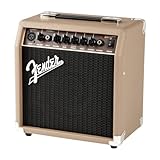
At a Glance: Gigging Amp Shortlist
| Amp | Type | Best for | Limit |
|---|---|---|---|
| Fender Deluxe Reverb | Tube combo, the maker lists 22 watts and a 12-inch speaker | Clean tones that take pedals well, blues, country, pop | Heavier than modelling amps; tube upkeep |
| Boss Katana-50 MkII | Modelling combo, the maker lists 50 watts, 12-inch speaker | Cover bands and players who need many sounds | Menu and software learning curve |
| Roland JC-40 | Solid-state stereo combo, two 10-inch speakers | Clean tone, chorus, direct stage use | Not built for heavy distortion on its own |
| Vox AC15 | Tube combo, 15 watts, 12-inch speaker | Chime, classic British rock, small to mid venues | Less clean headroom at larger volumes |
| Orange Rocker 15 | Tube head or combo, 15 watts | Rock tones from a compact tube amp | Limited clean headroom |
| Positive Grid Spark | Modelling practice and small-gig amp with app | Players who want a small rig for coffee shops and rehearsal | Smaller stages only |
Wattage and speaker details are listed by each maker; model revisions exist, so match the current model name when you shop.
What Makes an Amp a Good Gigging Amp
Loudness you can use
Many venues have a house PA, so a modest amp that sounds good miked is usually enough. A tube amp rated around 15 to 22 watts is often loud enough for bars and small clubs, while the lower power amps break up more at lower volumes. If you want pristine cleans at high volume, you need more headroom.
Weight and size
Carrying an amp up stairs every weekend changes opinions fast. Modelling and solid-state combos typically weigh less than tube combos of similar size, according to maker specifications, so compare listed weights.
Reliability
Tube amps need tubes replaced over time, and a spare set of power tubes is common practice. Solid-state and modelling amps have fewer wear parts. Keep a spare cable and a backup plan either way.
Tone flexibility
A single-voice amp plus pedals gives you a consistent signal chain. A modelling amp such as the Katana saves pedals by including effects inside the amp. Decide whether you prefer simplicity or variety.
Direct outputs
If you want the sound engineer to hear your tone without a microphone, a speaker-emulated line out helps. The Katana line includes a headphone and recording output, and modelling amps commonly offer direct options; confirm the output on the specific model you are buying.
Matching an Amp to Your Gig
| Situation | Better fit | Reason |
|---|---|---|
| Small bars and coffee shops | Vox AC15, Orange Rocker 15, Positive Grid Spark | Lower power, easier to carry, breaks up at manageable volume |
| Cover band with varied songs | Boss Katana-50 MkII | Multiple amp voices and effects without a pedalboard |
| Clean-focused, pedal-driven style | Fender Deluxe Reverb, Roland JC-40 | Clean headroom that holds pedals well |
| Fly-in or public transport | Modelling combos or small heads | Weight and size |
| Larger stages | Higher-power tube amp or PA support | More headroom |
Budget Tiers
| Tier | Examples | Trade-off |
|---|---|---|
| Budget | Positive Grid Spark, smaller Katana models | Smaller stage use, flexible sounds |
| Mid-range | Boss Katana-50 MkII, Roland JC-40, Vox AC15 | Balance of tone, weight and ruggedness |
| Premium | Fender Deluxe Reverb, Orange tube amps | Tube character and resale appeal, with maintenance |
Pick X If… Decision Table
| Pick this | If you… |
|---|---|
| Fender Deluxe Reverb | want a clean tube foundation and play with pedals |
| Boss Katana-50 MkII | need many sounds in a rugged, relatively light box |
| Roland JC-40 | love chorus and clean stereo tones |
| Vox AC15 | want chime and classic British drive |
| Orange Rocker 15 | want a compact tube amp for rock |
| Positive Grid Spark | play small rooms and rehearse at home as much as you gig |
Common Mistakes
- Buying more wattage than the venue will let you use.
- Ignoring weight until the first load-in.
- Not carrying spare cables, fuses and, for tube amps, spare tubes.
- Setting the amp for the bedroom, not the band; test at rehearsal volume.
- Skipping hearing protection; long sets at high volume can cause permanent damage.
Safety and Care
Tube amps contain high voltages even when unplugged. Do not open them yourself; have a qualified technician change bias or replace parts. Use proper cables and grounded outlets, and let tubes cool before moving the amp.
Alternatives Worth Considering
- Fender Champion and Blues Junior class amps: lower-power Fender options with simpler controls.
- Line 6 and Kemper-style modelling rigs: a full digital approach when you plug straight into the PA and use in-ear monitors.
- Used tube combos: older amps can be good value, but have a technician inspect them first.
Setting Up Before the Gig
Arrive early enough to set the amp at the volume you will actually use. Place combo amps on a stand or chair, tilted toward your ears, so you hear what the audience hears instead of only the low end hitting your knees. Set a clean sound and one drive sound and mark the knob positions with tape or a photo. If you use a modelling amp, save the preset that works for the room and keep a backup of your presets on a phone or computer.
Pedals, Power and Backup
A compact pedalboard with a tuner, overdrive and delay covers most sets. Use a power supply recommended by the pedal makers, and carry spare patch cables, a spare instrument cable and a few fuses of the correct rating. If your amp uses an effects loop, learn whether it expects pedal level or line level before connecting delay and reverb units. Finally, keep a short checklist in the case lid so that nothing gets left behind when the night ends at one in the morning.
Frequently Asked Questions
How many watts do I need for gigging?
In small to mid venues with a PA, 15 to 50 watts is often adequate because the sound engineer handles room volume. Choose more watts only if you want extra clean headroom on stage.
Is a tube amp better than a modelling amp for gigs?
Neither is better in every case. Tube amps offer a particular feel and response; modelling amps offer light weight, variety and consistency.
Do I need a spare amp?
Many working players carry backup gear or a small modeller. A backup protects you if a tube or power component fails mid-gig.
Can I use a gigging amp for recording?
Yes. Many amps offer a headphone or line output, and you can also place a microphone in front of the speaker. Use the output the maker lists for that model.
How often should I replace tubes?
It depends on use. Follow the amp maker’s guidance and have a technician check bias whenever you change power tubes.
What size speaker is best?
A single 12-inch speaker is a common compromise for tone and weight. Two 10-inch speakers give a different stereo-friendly sound, as on the JC-40.







Write Your Review
No reviews yet. Be the first to share your experience!