
- Top Pick: Ultimate Comfort Pillow Protectors with Zipper Standard Size – Set of 4 | Bed Bug & Dust Mite Proof Pillow Cases – 100% Waterproof, Soft & Moisture Wicking Pillow Covers by Utopia Bedding
- Best Value: Ultimate Comfort Pillow Protectors with Zipper Queen Size – Set of 4 | Bed Bug & Dust Mite Proof Pillow Cases – 100% Waterproof, Soft & Moisture Wicking Pillow Covers by Utopia Bedding
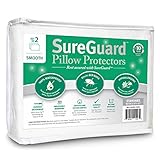
- Premium Choice: Set of 2 Standard Size SureGuard Pillow Protectors – 100% Waterproof, Bed Bug Proof, Hypoallergenic – Premium Zippered Cotton Covers – Smooth
The best dust mite pillow cover is a zippered, fully enclosing encasement with a tightly woven fabric: choose a certified cotton protector such as National Allergy’s Allersoft if breathability matters most, a waterproof terry-faced protector such as SafeRest if you also want spill protection, and a tightly woven polyester or nylon blend such as AllerEase if you want a lower-cost option. This guide explains what the maker states about each, what to check before buying, and how to care for covers so they keep working.
- Dust Mite Pillow Covers at a Glance
- How Dust Mite Covers Work
- Material Choices: Cotton, Terry and Synthetic Blends
- Reviewer Notes on the Main Picks
- Fit and Size: Getting It Right
- What to Look for in Product Details
- Pick X If You Want This
- Budget Tiers
- Care Tips That Keep Covers Working
- Common Mistakes
- Alternatives Worth Considering
- Frequently Asked Questions
A note before starting: pillow covers are a convenience product and may help reduce exposure to dust mite allergens, but they do not treat or cure allergies. If you have asthma, persistent congestion or skin symptoms, speak to a doctor or allergist about a full plan.
As an Amazon Associate we earn from qualifying purchases at no extra cost to you.


Dust Mite Pillow Covers at a Glance
| Cover | Material and design | Best for | Key stated points | Limits |
|---|---|---|---|---|
| National Allergy / Allersoft Premium Cotton | 100 percent cotton, 300 thread count, zippered, sold as a pair | Allergy-conscious sleepers who want natural fabric | AAFA certified per the maker; Reviewed.com picked it as best allergy-proof | Wrinkles, and can be tight on thick pillows |
| SafeRest Pillow Protector | Waterproof, noiseless cotton-terry surface, zippered | Memory foam pillows and spill-prone beds | Wellfizz describes it as waterproof with a secure micro-zipper | Reviewers flag zipper quality on some SafeRest encasements |
| AllerEase Zippered Protector | Tightly woven polyester and nylon blend | Budget-conscious buyers | Widely reviewed as a reliable low-cost encasement | Less natural feel than cotton |
| Mission Allergy | Zippered allergen barrier cover | Alternative to the main brands | Appears in several roundups | Less reviewer coverage |
| Hospitology | Hotel-style zippered protector | Buyers wanting a smooth, cooler surface | Appears in several roundups | Check the maker’s allergen claims on the label |
How Dust Mite Covers Work
Dust mites live in bedding and feed on shed skin cells. Their waste and body fragments are the allergens most associated with bedroom symptoms. A dust mite cover is designed to act as a barrier: its fabric has pores small enough to block mites and their allergens from passing through, and a zipper seals the pillow inside. Because the barrier only works when it fully encloses the pillow, zipped designs matter far more than loose pillowcase-style covers.
The Allergy and Asthma community uses certification programs such as AAFA’s Asthma and Allergy Friendly program to test products. The maker states National Allergy’s cotton covers carry that certification. Certification does not guarantee symptom relief for any individual, but it does show that independent testing confirmed the barrier claims.
Material Choices: Cotton, Terry and Synthetic Blends
Cotton. A 100 percent cotton cover with a high thread count, such as the 300 thread count stated for National Allergy’s Premium, feels natural and breathes well. Reviewers praise it for comfort, though cotton wrinkles and may fit thick pillows snugly.
Cotton terry with a waterproof layer. SafeRest-style covers add a waterproof barrier behind a soft terry face. This helps with spills and sweat, and it suits memory foam pillows, but waterproof layers can feel warmer and may make some noise when you move.
Polyester and nylon blends. Tightly woven synthetic fabrics are cheaper and durable, and they dry quickly. They tend to feel less breathable than cotton, so hot sleepers should consider this.
Reviewer Notes on the Main Picks
Reviewed.com named the Allersoft pillow protector its best allergy-proof pick, noting it stayed stain-free in a spill test while most others kept a faint mark. Its drawbacks were wrinkling and a snug fit on thicker pillows. A separate review reported a pore size in the 3 to 4 micron range and a lifetime warranty, though that review is dated, so rely on the maker’s current warranty terms.
Wellfizz named National Allergy’s Premium Cotton as its overall winner, praising the balance of allergen barrier and cotton comfort. It rated the SafeRest pillow protector best for memory foam pillows. Today’s Homeowner raised a caution about the SafeRest mattress encasement, noting zipper problems in newer versions. That relates to the mattress product, but it is a reminder to inspect the zipper when a cover arrives and return it if it snags.
Fit and Size: Getting It Right
- Standard, queen and king pillow sizes differ. Match the cover to the pillow label rather than the bed size.
- A cover that is too tight stretches fabric pores and can tear seams. A cover that is too loose bunches and feels uncomfortable.
- For very thick or memory foam pillows, check the stated dimensions. Some cotton covers run snug.
- Buy two covers per pillow if you want to rotate one while the other is in the wash.
What to Look for in Product Details
- Full zipper closure: A zipper with a protective flap or tape prevents allergens from slipping out through the teeth.
- Stated pore size or certification: Look for a maker’s statement of tight weave or independent certification.
- Seams: Double-stitched or sealed seams hold the barrier together.
- Washing guidance: Look for a stated wash temperature. Many allergy guides suggest hot-water washing of bedding, but always follow the care label because heat can damage waterproof layers.
- Noise and feel: Plastic-feeling covers crinkle. Reviews that mention noise are worth reading if you are a light sleeper.
Pick X If You Want This
| If you want… | Pick | Why |
|---|---|---|
| Natural fabric with certified allergen barrier | National Allergy / Allersoft cotton | AAFA certified per the maker; reviewer favorite |
| Waterproof protection for a memory foam pillow | SafeRest | Waterproof terry surface and micro-zipper |
| Lowest-cost zippered barrier | AllerEase | Tight woven blend, widely reviewed |
| A cooler, hotel-style feel | Hospitology or similar smooth-face covers | Smooth surface; check the label for barrier claims |
| A full bedding set | Matching mattress and pillow encasements from one maker | Consistent fit and zipper design |
Budget Tiers
Budget: Synthetic blends and basic zippered covers offer a barrier at the lowest cost. Mid-range: Certified cotton covers sold in pairs balance comfort and protection. Premium: Waterproof terry designs and multi-piece bedding encasement sets cost more but cover the pillow and mattress together.
Care Tips That Keep Covers Working
- Wash covers regularly, following the maker’s care label. Many allergy guides advise washing every one to two months.
- Do not use bleach or fabric softener unless the label allows it, since these can harm tight weaves and waterproof layers.
- Replace covers that develop holes, split seams or broken zippers. A damaged cover no longer works as a barrier.
- Keep a pillowcase over the protector for comfort and to protect the barrier from body oils.
- Replace pillows themselves every few years, because old pillows hold more dust and wear out.
Common Mistakes
- Buying a zipperless cover that only looks like a protector.
- Treating the cover as a complete solution. Washing sheets, controlling humidity and vacuuming with a sealed or HEPA-filter machine all matter too.
- Choosing the wrong size, which leaves gaps or strains the fabric.
- Ignoring noise. A crinkly waterproof layer can disturb sleep.
- Expecting medical results. Covers may help reduce exposure but are not a treatment.
Alternatives Worth Considering
Mattress encasements. Mites are usually more concentrated in the mattress, so many guides suggest covering it along with pillows. National Allergy also makes a six-sided cotton mattress encasement.
Washable pillows. Some pillows can be laundered at higher temperatures, and a washable pillow plus a cover gives layered protection.
Allergist-guided care. If symptoms persist, an allergist can confirm what you are reacting to and suggest a wider plan.
Frequently Asked Questions
Do dust mite pillow covers really work?
They are designed to block mites and their allergens from reaching your face by enclosing the pillow in tightly woven fabric. They may help reduce exposure, but they do not treat allergies. Combine them with regular washing and talk to a doctor about persistent symptoms.
Should the cover go under or over the pillowcase?
Under. The zippered protector goes directly on the pillow, and a regular pillowcase goes over it. This protects the barrier from body oils and makes the bed feel more comfortable.
How often should I wash a dust mite cover?
Many allergy guides suggest every one to two months, but the maker’s care label has the final word. Washing at higher temperatures is often advised for bedding, though waterproof layers may need cooler settings.
Is cotton better than synthetic covers?
Cotton feels more natural and breathes better, which many reviewers prefer, while tightly woven synthetic blends are lower in cost and dry quickly. Choose based on comfort and budget, as long as the weave and zipper form a full barrier.
Are waterproof pillow protectors noisy?
Some can be, depending on the waterproof layer. Terry-faced covers such as SafeRest are described by reviewers as noiseless, but light sleepers should read reviews on noise before choosing.
How long do dust mite covers last?
Lifespan depends on the fabric and how often you wash it. Replace a cover when seams split, the fabric thins or the zipper fails, because damage means the barrier no longer seals.





Write Your Review
No reviews yet. Be the first to share your experience!