
- Top Pick: SEDULAN Dog Bark Deterrent Devices Anti Barking Device for Dogs Ultrasonic Bark Stopper Portable Dog Training Tool Indoor Outdoor Up to 50ft Correct Bad Behavior of Own or Neighbor's Dog (Orange)
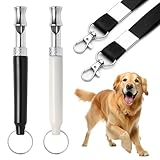
- Best Value: 2 Pack Dog Whistle – Dog Whistle to Stop Barking Neighbor's Dog & Long Range Recall, Adjustable Ultrasonic Silent Dog Whistle with Lanyard for Training Recall, Professional Obedience (Black & White)
- Premium Choice: 2 Pack Dog Whistle, Adjustable Dog Whistle to Stop Barking | Dog Whistle for Training, Recall & Stop Barking, Professional Silent Dog Whistle Suitable for All Dogs
The best dog whistle for barking is an adjustable, hand-held model such as the Acme 210.5 or a comparable fixed-pitch whistle, used as part of a training routine rather than as a standalone fix. A whistle can interrupt a dog and mark a behavior, but it will not remove the reason the dog is barking. Gamers who work from home, stream late or share a wall with neighbors tend to care most about quiet, so this guide explains how each whistle type works, who it suits and where it falls short.
- Short Answer by Buyer
- At a Glance: Whistle and Deterrent Types
- How a Dog Whistle Actually Helps with Barking
- Acme-Style Adjustable Whistles
- Trainer-Style Sport Whistles
- Ultrasonic Handhelds and Bark Units
- How to Choose
- Budget Tiers
- Pick X If … Decision Table
- Alternatives
- Common Mistakes
- Frequently Asked Questions
As an Amazon Associate we earn from qualifying purchases at no extra cost to you.



Short Answer by Buyer
If you want a proven, simple tool and are willing to train, pick a metal or plastic pea-less whistle with an adjustable pitch. If you want something that works at a distance outside, choose a louder trainer-style whistle. If you only want a deterrent that needs no training, an ultrasonic handheld emitter or a bark-activated device is the usual alternative, though results vary widely and are not guaranteed. A dog with anxiety, pain or a medical issue needs a vet or certified trainer, not a whistle.
At a Glance: Whistle and Deterrent Types
| Type | Typical example | Best for | Limits |
|---|---|---|---|
| Adjustable silent-style whistle | Acme 210.5, Acme 535 style | Training a recall or a quiet cue at home | Needs a tuning period and repeat practice; not literally silent to humans |
| Fixed-pitch whistle | Acme 211.5 style pitched models | One dog, one consistent cue | No adjustment if the dog ignores that pitch |
| Trainer whistle for distance | Pea-less sport whistles | Yard work, walks, recall at range | Audible to neighbors; louder |
| Handheld ultrasonic emitter | Dazer-type devices | Quick interruption without a voice | Maker claims are broad; dogs react differently |
| Bark-activated ultrasonic unit | Wall or yard units | Barking when you are not present | Can trigger on other dogs or noise; some dogs ignore it |
How a Dog Whistle Actually Helps with Barking
A whistle is a sound cue. When you pair it with a reward, it becomes a signal that means “look at me” or “come here”. When barking starts, you blow the whistle, wait for the pause, then reward the quiet. Trainers commonly describe this as redirecting rather than punishing. A whistle used harshly or constantly may teach the dog to ignore it, or add stress.
Makers of adjustable whistles say their products sit near or above the upper edge of human hearing, so a person nearby may hear a faint tone while the dog hears it clearly. Hearing varies by breed and age, and older dogs may lose the upper range, so a whistle that works for a young dog may fail for a senior.
Acme-Style Adjustable Whistles
Acme is the best-known maker of professional dog whistles. Its 210.5 is widely listed as an adjustable-pitch silent whistle with a tuning screw so you can find the sound your dog responds to. Reviewers describe it as small, light and durable enough to live on a keychain. The positives are low cost, no batteries and no moving electronics. The negative is that it takes patience: you need to try several pitches and keep the same setting afterward, or the cue loses meaning.
The fixed-pitch 211.5 style whistles trade adjustment for consistency. This suits owners who want one reliable cue and do not like fiddling with a screw. If the dog does not react, you cannot change it.
Trainer-Style Sport Whistles
Pea-less plastic or metal whistles are common among gundog and sport trainers. They are loud, carry far and work well outdoors. They are less suitable for indoor barking because they can be uncomfortable for people and pets in a small room. Gamers living in apartments will probably find them too sharp.
Ultrasonic Handhelds and Bark Units
Ultrasonic devices press a button to emit a high tone. Some are sold as handheld deterrents; others are boxes that listen for barking and respond automatically. Makers usually state a range and note that results depend on the dog. Independent reviewers often report mixed outcomes: some dogs pause, some ignore the sound, and some become more agitated. Because the tone is aversive by design, many trainers prefer reward-based methods first. If you try one, watch your dog closely and stop if you see fear or distress.
How to Choose
- Dog size and age: older dogs may not hear very high pitches. A tunable whistle gives you more room.
- Where you use it: indoors, a softer tone is more considerate; outdoors, range matters.
- Your training time: whistles need daily short sessions for the first weeks.
- Household: other pets, especially cats, rabbits and rodents, can hear high pitches and may be bothered.
- Materials: metal bodies last longer; plastic is lighter and cheaper. Choose a lanyard if you want it close at hand.
Budget Tiers
| Tier | What you get | Who it suits |
|---|---|---|
| Budget | Basic plastic or metal whistle, no electronics | First-time owners testing the idea |
| Mid-range | Adjustable trainer whistle or handheld ultrasonic emitter | Owners who want pitch control or a button device |
| Premium | Bark-activated station or a combined training kit | Owners who need coverage while away |
Pick X If … Decision Table
| Situation | Pick |
|---|---|
| Apartment, short bursts of barking at door noises | Adjustable silent-style whistle, soft blowing |
| Large yard, recall problems | Louder trainer whistle |
| Dog barks while you are at work | First rule out boredom and anxiety; consider a bark-activated unit only after a trainer or vet agrees |
| Senior dog | Verbal cue or hand signal rather than a whistle |
| Puppy | Start with a standard whistle used gently and paired with treats |
Alternatives
- Clicker training: marks the quiet moment with a distinct click and a treat. It is quiet, cheap and widely used by trainers.
- Enrichment: puzzle feeders, chew toys and walks reduce boredom barking.
- Noise reduction at home: window film, a white-noise machine or a rug can reduce triggers from outside, which is helpful for gamers who also want fewer interruptions.
- Professional help: a certified trainer or behaviorist can diagnose the cause.
Common Mistakes
- Blowing the whistle for every bark so the dog stops caring.
- Changing pitch from day to day on an adjustable model.
- Using it as punishment instead of a cue tied to a reward.
- Expecting a whistle to fix separation anxiety or pain-related barking.
- Pointing an ultrasonic emitter directly into the dog’s ears.
Frequently Asked Questions
Do silent dog whistles really work for barking?
They can work as a cue when combined with consistent reward training. Without training, results are inconsistent, and some dogs ignore the sound completely. Think of the whistle as a communication tool, not a cure.
Can people hear a so-called silent dog whistle?
Often yes, faintly. Many makers describe the sound as high and quiet rather than truly inaudible. Hearing varies between people, so some will hear almost nothing and others will hear a thin whistle.
Will it hurt my dog’s ears?
Used at a normal distance and for short blasts, makers describe their products as safe. Avoid blowing close to the ears, avoid long repeated blasts and stop if your dog shows pain or fear. A vet can advise if you are worried about hearing.
Will the whistle bother my neighbors or other pets?
Higher pitches can disturb cats and small animals, and a trainer-style whistle is audible to neighbors. A tunable silent-style model is usually the more considerate indoors.
How long until my dog responds?
Many trainers describe a period of days to a few weeks of short daily sessions. Progress depends on the dog, the trigger and how consistent you are.
When should I see a vet or trainer instead?
If barking is sudden, constant, tied to being left alone or accompanied by pacing, shaking or appetite changes, speak to a vet or certified behaviorist. Those signs can point to anxiety or a medical cause that a whistle will not address.







Write Your Review
No reviews yet. Be the first to share your experience!