
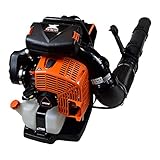
- Top Pick: Echo 220 MPH 1110 CFM 79.9 cc Gas 2-Stroke X Series Backpack Blower with Tube-Mounted Throttle PB-9010T
- Best Value: 75.6CC Gas Powered Backpack Leaf Blower 2-Cycle 4.2HP for Lawn Snow Blower | Commercial Grade, 847CFM, 236MPH, Ergonomic Harness System, 25:1 Fuel-Oil Pre-Mix, Cruise Control for Garden Yard Lawn Clear
- Premium Choice: PRORUN 75.6cc 1020 CFM 240 MPH Gas-Powered 2-Cycle Backpack Leaf Blower, PBB2884
For daily commercial use, the strongest choices are the gas-powered high-capacity backpack blowers from Stihl, Echo and Husqvarna, with the Stihl BR 800, Echo PB-9010T and Husqvarna 580BTS representing the top of those lineups, while battery models such as the Husqvarna 550iBTX and Echo eFORCE DPB-8000 suit crews working in noise-restricted areas. Pick gas when you need maximum airflow over long hours, and battery when noise, fumes and daily maintenance matter more than peak power.
- What commercial means for a backpack blower
- At a glance: commercial options
- Gas blowers: the long-hours workhorses
- Battery blowers for commercial crews
- How to choose a commercial blower
- Safety and compliance
- Maintenance on a commercial schedule
- Pick this if you are this buyer
- Alternatives
- Common mistakes
- Frequently Asked Questions
As an Amazon Associate we earn from qualifying purchases at no extra cost to you.


What commercial means for a backpack blower
Commercial-grade blowers are built for several hours of use a day, rather than a few hours each weekend. The marks of that tier are a larger engine or higher-capacity motor, a padded harness designed for long wear, serviceable air filters and access to dealer support and parts. Makers usually place these models in their professional lines, and many offer longer or separate commercial warranties compared with residential versions, so read the warranty text for the exact terms.
Airflow is quoted in cubic feet per minute and air speed in miles per hour. Makers publish both figures but measure them under their own conditions, so compare within the same maker’s spec sheet or rely on independent test reports. High volume moves piles of leaves and debris, while high speed dislodges wet or stuck material.
At a glance: commercial options
| Model | Power type | Class | Best for | Trade-off |
|---|---|---|---|---|
| Stihl BR 800 C-E | Gas | Top of Stihl’s backpack range | Large properties, heavy leaf loads | Heavy and loud, more maintenance |
| Echo PB-9010T | Gas | Echo’s largest backpack blower | High-volume clean-up | Weight and fuel handling |
| Husqvarna 580BTS | Gas | Husqvarna’s high-output model | Daily professional use, adjustable harness | Heavier than mid-range models |
| Echo PB-770T / Husqvarna 570BTS class | Gas | Mid-professional | Residential contractors who want lower weight | Less raw airflow than the top tier |
| Husqvarna 550iBTX | Battery | Professional battery | Crews in noise-restricted zones | Runtime depends on battery packs |
| Echo eFORCE DPB-8000 | Battery | Professional battery | Quiet, low-emission work | Battery cost and charging logistics |
Specifications are taken from the makers’ product pages and reviewer reports as understood at the time of writing. Model lineups and regional availability change, so confirm exact figures with the manufacturer or an authorised dealer.
Gas blowers: the long-hours workhorses
Stihl BR 800
The BR 800 is Stihl’s highest-output backpack blower, sold through authorised dealers. The maker lists a large two-stroke engine and a padded back frame, and reviewers describe it as a machine for large lots, parks and municipal work. Because Stihl sells through a dealer network, local service and parts support is a selling point, though it can also limit where you can buy.
Echo PB-9010T
Echo’s flagship backpack blower is aimed at professionals who need maximum airflow. The maker lists a large-displacement engine and tubular-style hand control with a throttle on the handle. Echo models commonly carry a commercial warranty period for professional use, so check the exact terms for this unit.
Husqvarna 580BTS
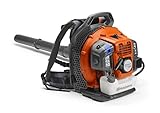
The 580BTS is Husqvarna’s high-output gas backpack blower. The maker highlights an adjustable harness, a cruise control on the handle and a tuned air tube. Reviewers and landscaping professionals often compare it directly with the Stihl and Echo flagships, and the choice often comes down to dealer access and which harness fits the operator best.
Battery blowers for commercial crews
Battery backpack blowers have improved enough that many crews use them for noise-limited or emissions-limited properties, and some cities restrict gas blowers. Models such as the Husqvarna 550iBTX and Echo eFORCE DPB-8000 are marketed to professionals, with high-capacity battery packs worn on the back or harness. The maker lists runtime figures that depend on pack size and power setting, so a day of heavy use typically needs several packs and a charging plan. Benefits include quieter operation and no fuel mixing. Drawbacks include the cost of spare batteries and limited maximum airflow compared with the biggest gas units, according to reviewer reports.
How to choose a commercial blower
- Match airflow to the job. Heavy leaf loads and wide areas favour the top gas tier. Residential lawns and driveways are fine with a mid-range unit.
- Weigh the weight. A heavy machine tires the operator, and fatigue is a safety issue. Harness quality matters as much as engine size.
- Check noise. Many municipalities and customers set decibel limits or ban gas equipment in certain months. Battery models are quieter.
- Consider fuel logistics. Gas needs mixed fuel and regular filter care. Battery needs charging and spare packs.
- Look for service access. A dealer nearby can keep a machine working during peak season.
- Review the warranty. Professional-use coverage varies by maker and by model.
Safety and compliance
Wear hearing protection, eye protection and a dust mask, and follow the maker’s safety manual. Gas engines produce exhaust and should never be run in enclosed spaces. Keep bystanders and pets clear, and avoid blowing debris toward windows, vehicles or open doors. Local rules may restrict hours, noise levels or gas equipment. If you operate a business, check local ordinances and any insurance requirements before buying.
Maintenance on a commercial schedule
Clean or replace the air filter often, since dust is the main enemy of small engines. Use the fuel and oil mix specified in the manual, and store fuel in approved containers. Inspect the spark plug, check bolts for vibration looseness and examine the harness for wear. For battery units, store packs according to the maker’s guidance and avoid leaving them fully discharged for long periods. Follow the manual for winter storage, and drain fuel or use a stabiliser if the maker recommends it.
Pick this if you are this buyer
| If you | Consider | Reason |
|---|---|---|
| Run a large-property crew and need maximum airflow | Stihl BR 800, Echo PB-9010T or Husqvarna 580BTS | Top-tier gas output |
| Work in noise or emissions-restricted areas | Husqvarna 550iBTX or Echo eFORCE DPB-8000 | Quiet, no exhaust at the point of use |
| Want a lighter pro unit for residential work | Echo PB-770T or Husqvarna 570BTS class | Lower weight, enough power for most yards |
| Rely on local dealer support | Stihl or Husqvarna through their dealer networks | Servicing and parts nearby |
| Need to limit upfront spending | Mid-tier gas pro model | Lower cost than top-tier or full battery kits |
Alternatives
Handheld and wheeled blowers sit on either side of the backpack category. Handhelds are lighter and cheaper for small jobs, while walk-behind blowers move more air for large paved areas. Other makers such as EGO Power+ also offer professional battery backpack blowers, and some buyers prefer a single battery platform across their tools. Rake-and-broom work remains an option for noise-free clean-up on small plots.
Common mistakes
- Choosing by engine size alone and ignoring the harness and weight.
- Buying a battery blower without budgeting for enough spare packs.
- Ignoring local rules on noise and gas equipment.
- Skipping hearing protection.
- Using the wrong fuel mix, which can damage a two-stroke engine.
Frequently Asked Questions
Is gas or battery better for a commercial backpack blower?
Gas still leads on raw airflow and long continuous runtime. Battery wins on noise, emissions and daily maintenance. Choose by the property rules you work under and the size of the jobs.
What does CFM mean on a blower?
CFM measures the volume of air moved per minute. A higher figure moves more debris at once. Combine it with air speed in miles per hour for a fuller picture.
How long does a professional battery blower run?
The maker lists runtime figures that depend on pack size and power setting, and full-power use drains packs faster. Crews often carry spares or a charging station. Consult the product page for the exact figure on your model.
Are commercial blowers worth it for home use?
They add power and durability but also weight and noise. Large lots and heavy leaf fall can justify them, while small yards do not. A mid-range model often suffices.
Do I need hearing protection?
Yes, gas blowers are loud enough to damage hearing over time. Wear protection rated for the noise level, and consider eye and dust protection too. Follow the manual’s safety guidance.
How often should I service a gas backpack blower?
Clean the air filter frequently, inspect the spark plug and use the correct fuel mix. Follow the maintenance schedule in the manual, and have a dealer service it if performance drops. Regular care extends service life under daily use.







Write Your Review
No reviews yet. Be the first to share your experience!