
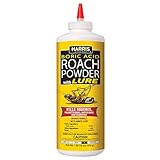
- Top Pick: HARRIS Boric Acid Roach and Silverfish Killer Powder w/Lure for Insects (16oz)
- Best Value: Ortho Orthene Ant & Roach Killer, 1 lb. | Provides Long-Lasting Insect Control, Bug Killer For Indoor and Outdoor Use, Roach Killer Powder Dust
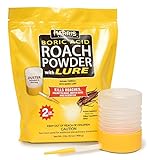
- Premium Choice: Harris Boric Acid Roach and Silverfish Killer Powder w/Lure, Powder Duster Included in The Bag (32oz)
For most households, a fine boric acid roach powder is the best starting point, food-grade diatomaceous earth suits people who want a mineral option with a different mode of action, and a combined powder-plus-bait approach suits heavy infestations. Powders work only where cockroaches walk through them, so placement matters more than the brand on the label. This guide covers how the main powder types work, the products that are widely sold in 2026, and how to use them safely around a gaming room, kitchen or PC desk area.
As an Amazon Associate we earn from qualifying purchases at no extra cost to you.


At a glance: powder types compared
| Type / example | Best for | How it works (as makers describe) | Limits |
|---|---|---|---|
| Boric acid roach powder (for example Harris Boric Acid Roach Powder) | Cracks, voids, behind appliances | Roaches pick it up on their bodies and ingest it while grooming | Slow acting; useless if it gets damp or is laid in thick piles |
| Food-grade diatomaceous earth (for example Harris, Safer Brand, Nature’s Wisdom type products) | Dry, low-traffic crevices; people avoiding synthetic actives | Abrasive silica particles damage the insect’s outer coating so it dries out | Loses effect when wet; dust is a respiratory irritant, so avoid inhaling it |
| Insecticidal dusts with a synthetic active (for example Delta Dust, a deltamethrin product) | Wall voids and outlets handled by careful adults | Contact insecticide listed for cracks and crevices | Label restrictions are stricter; keep away from kids, pets and food surfaces |
| Combination powder and bait kits | Established infestations | Powder for travel routes, gel or bait stations for nests | More products to manage; needs patience |
How to choose a cockroach powder
Match the active ingredient to your situation
Boric acid is the classic household choice because it is widely labelled for indoor crack-and-crevice use and has a long track record. Reviewers and extension services commonly note that it is slow to act, often days rather than hours, because roaches must carry it back and ingest it. Diatomaceous earth is a mechanical killer made from fossilised algae shells; only food-grade or pest-control grade should be used indoors, never the pool-filter type, which has a different processing and is not intended for this. Synthetic insecticide dusts can be quicker, but they come with tighter label conditions.
Particle fineness and applicator
A fine, fluffy powder sticks to roach legs; clumpy powder does not. Look for a product sold with a squeeze bottle, bellows or duster nozzle so you can lay a barely visible film. A thick heap looks effective, but roaches simply walk around it. The nozzle also lets you reach under a dishwasher, behind a refrigerator or inside the gap behind a desk.
Check the label for approved sites
Every pesticide label states where it may be used. Powders labelled for cracks and crevices are not meant for open counters, food prep surfaces or sleeping areas. Read the label before you open the container and follow it exactly; the label is the legal instruction.
Safety for homes with children and pets
Boric acid and silica dusts are low-hazard compared with many sprays, but they are not harmless. Keep them out of reach, apply them where children and pets cannot get to them, avoid creating airborne dust, and wear a dust mask and gloves. If a child or pet swallows any, contact a poison control centre, doctor or vet and bring the container. Do not use any powder inside electronics, power supplies, consoles or PC cases; dust and conductive residue can damage hardware, and some powders are mildly conductive when damp.
Products worth considering
Harris boric acid roach powder
Harris is a long-standing US brand, and its boric acid powder is one of the most commonly named options in roundups. The maker positions it for cracks, crevices and voids, and sells it with an applicator bottle. It suits renters and first-time users who want a straightforward starting product.
Food-grade diatomaceous earth products
Several brands sell food-grade diatomaceous earth with a puffer. It suits people who want to avoid boric acid or who need something for dry areas such as the gap behind a PC desk or a garage shelf. Makers say it must stay dry to work. In humid kitchens and bathrooms its usefulness drops quickly.
Delta Dust and similar synthetic dusts
Pest-control suppliers and some retailers list deltamethrin dusts for wall voids and electrical outlet plates. These are generally aimed at careful adults following the label, and many professionals apply them with a hand duster. Because outlet voids are involved, if you are not sure the circuit is off and safe, contact an electrician or a licensed pest controller instead of doing it yourself.
Combination approaches
Reviewers at pest-control publications often suggest using a dust in dry voids and a gel bait or bait station along runways. Using both reaches roaches in the nest and those that wander. Do not spray repellent insecticide over the dust or bait, as it can make roaches avoid the treated areas.
Pick X if … decision table
| Pick this if … | Choice |
|---|---|
| You want a low-cost, familiar first treatment for kitchen cracks | Boric acid powder with applicator |
| You prefer a mineral product and the area stays dry | Food-grade diatomaceous earth |
| Infestation is established and you can follow a strict label | A labelled insecticide dust plus bait |
| Children or pets have run of the home | Bait stations first, powder only in sealed voids |
| You see roaches daily or in several rooms | Call a licensed pest controller |
How to apply powder so it works
- Clean first. Remove crumbs, grease and standing water; roaches ignore powder when food is easy to reach.
- Unplug appliances before working behind them, and never apply near live electrical parts.
- Puff a thin, almost invisible film along baseboards, under sinks, behind the refrigerator and in cabinet corners.
- Keep it dry. Re-apply after cleaning or if the area has become damp.
- Seal entry gaps with caulk after treatment so new roaches cannot re-enter.
- Track results for two to three weeks. Extension services typically describe cockroach control as a process measured in weeks.
Alternatives to powder
- Gel baits are widely used by professionals because roaches carry the active back to the nest. Placement in tiny dabs near runways is the key.
- Bait stations are tidy and suit homes where open gel is a concern.
- Insect growth regulators stop nymphs from maturing and are used alongside other products to reduce long-term numbers.
- Professional service is the sensible step when an infestation spans rooms or a shared building.
Common mistakes
- Laying powder in thick lines or piles.
- Using pool-grade diatomaceous earth indoors.
- Applying powder on damp surfaces or in steamy kitchens.
- Skipping sanitation: food, crumbs and open pet food bowls undo the treatment.
- Spraying repellents on top of baits and dusts.
- Putting any powder in electronics, outlets or PC cases.
Gamer-specific notes
PC desks, consoles and routers give roaches warm, dark spots to hide. Roaches are drawn to warmth and food residue, so keep snacks and drink cans away from the desk, and keep cable bundles tidy so there are fewer hiding places. Treat the room perimeter and wall gaps, not the gear. If you find roaches inside a case or console, power it off, unplug it, and clean it carefully or take it to a technician; do not dust powder inside it.
Frequently Asked Questions
Is boric acid or diatomaceous earth better for roaches?
Boric acid is the more common choice for cracks and crevices and is generally considered the more reliable of the two when applied in a thin film. Diatomaceous earth is a valid mineral option but works only while it stays dry. Many people use boric acid in kitchens and diatomaceous earth in dry garages or basements.
How long does roach powder take to work?
Expect days rather than hours, because roaches have to pick up the powder and ingest it while grooming. Pest-control guidance usually frames control over a couple of weeks. If you still see regular activity after that time, add bait or call a professional.
Is roach powder safe around pets and kids?
Powders are lower in hazard than many sprays, but they are not safe to eat or breathe. Apply them only in cracks, voids and spots pets and children cannot reach, and read the label. If anyone swallows or inhales a significant amount, contact poison control or a doctor right away.
Can I put roach powder in outlets or electronics?
Do not put powder inside consoles, PC cases, power supplies or live outlets. Some synthetic dusts are labelled for outlet voids, but that work should be done by someone qualified with the power off. When in doubt, ask a licensed pest controller or an electrician.
Why do roaches keep coming back after I use powder?
Common causes are food and water sources left available, powder applied too thickly or in damp spots, and entry gaps that were never sealed. Powder alone does not reach a nest in a wall void. Combining it with bait and sealing cracks addresses the actual source.
Should I use powder or gel bait first?
Bait is usually the first line for active infestations, since roaches feed on it and share it. Powder fills the gaps in dry cracks and voids. Using both, in separate places, tends to give better coverage than either one alone.







Write Your Review
No reviews yet. Be the first to share your experience!