
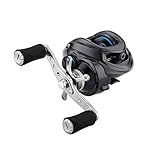
- Top Pick: Fishdrops Baitcaster Reel Ultra-Light Baitcasting Fishing Reel, 7.0:1 Gear Ratio, 12.12LB Drag Magnetic Brake, Smooth 11+1BB, Freshwater & Saltwater and Affordable Low Profile Bait Caster Reel
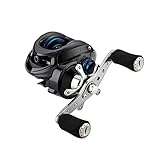
- Best Value: Fishdrops Baitcaster Reel Ultra-Light Baitcasting Fishing Reel, 7.0:1 Gear Ratio, 12.12LB Drag Magnetic Brake, Smooth 11+1BB, Freshwater & Saltwater and Affordable Low Profile Bait Caster Reel
- Premium: Fishdrops Baitcaster Reel Ultra-Light Baitcasting Fishing Reel, 7.0:1 Gear Ratio, 12.12LB Drag Magnetic Brake, Smooth 11+1BB, Freshwater & Saltwater and Affordable Low Profile Bait Caster Reel
For light baits, the Daiwa Tatula 100 is the reel reviewers name most often; the Shimano SLX DC and Abu Garcia Revo SX VoltIQ are the picks if you want electronic or digital braking to tame backlash; and the standard Shimano SLX is the value workhorse. Reviewers at Outdoor Life advise that anyone throwing many lures under three-eighths of an ounce should look at a Tatula with the SV spool.
As an Amazon Associate we earn from qualifying purchases at no extra cost to you.

Quick comparison of light-bait baitcasters
| Reel | Best for | What reviewers report | Limits |
|---|---|---|---|
| Daiwa Tatula 100 | Lures from roughly a quarter ounce up, compact finesse work | Smaller 100-size frame is lighter and casts light lures better than standard-size reels | Too small for heavy flipping and pitching; limited line capacity |
| Daiwa Tatula SV spool versions | Lures under three-eighths ounce | Outdoor Life points to the SV spool for light lures | The larger 150 size struggles with light lures |
| Shimano SLX (A) | Value all-rounder | GearJunkie lists it as a value pick; widely called a workhorse | Not specialized for very light baits |
| Shimano SLX DC | Digital cast control for light baits and wind | A budget roundup calls it the best casting technology at its tier | Electronics add cost and settings to learn |
| Abu Garcia Revo SX | Step-up general bass reel | GearJunkie calls it a step up from the SLX; USAngler says it handles light lures well but prefers others for small lures or wind | Not the first choice for very light or windy work |
| Abu Garcia Revo SX VoltIQ | Long casts with light or weightless baits | Electronic braking; Wired2Fish says it suits lightweight or weightless baits cast a long way | Battery-powered electronics; premium tier |
Why light baits are hard on baitcasters
A baitcaster spins its spool with the lure’s momentum. A heavy lure pulls the spool hard and keeps line tight; a light lure gives the spool little energy, and the spool can overrun, producing a backlash. That is why reel makers build smaller, lighter spools and finer braking systems for finesse work. Lighter spools accelerate with less force and stop sooner, which helps small lures leave the rod tip cleanly.
What to look for
Spool size and weight
Smaller reels, such as the Tatula 100 size, carry a lighter spool. Reviewers consistently report that these frames cast quarter-ounce lures better than larger reels. The trade-off is reduced line capacity, so keep the line weight sensible for the size of the spool.
Braking system
Centrifugal and magnetic brakes slow the spool during the cast. Digital and electronic systems, found in the Shimano SLX DC and Abu Garcia Revo SX VoltIQ, adjust braking automatically as the cast develops. Reviewers describe these as especially helpful when casting into wind or with weightless baits. Manual braking still works, but it asks more of the angler.
Gear ratio
Faster ratios retrieve line quickly and suit bottom-contact or topwater work, while slower ratios favour small crankbaits and finesse. Check the maker’s listed ratios for the model you choose, because versions differ within a family.
Rod and line pairing
A light baitcaster performs best on a rod with a lighter lure rating. Many anglers pair them with fluorocarbon or lighter monofilament, since heavy line limits distance with small lures. Follow the rod’s stated line and lure ratings to avoid damage.
Thumb control
Even with advanced braking, light baits reward a gentle thumb on the spool. Beginners should start with higher brake settings and loosen them as skill builds.
Picks by budget tier
| Tier | Candidates | Trade-off |
|---|---|---|
| Budget | Shimano SLX, Daiwa Tatula 100 | Mechanical braking; more thumb skill needed |
| Mid-range | Shimano SLX DC, Abu Garcia Revo SX | DC adds electronics; Revo SX is less tuned for very light baits |
| Premium | Abu Garcia Revo SX VoltIQ | Highest cost and needs power for its electronics |
Tiers reflect rough positioning by reviewers and makers, not current shelf figures, which vary by retailer and size.
Pick X if…
| If you want… | Pick |
|---|---|
| A compact reel for lures a quarter ounce and up | Daiwa Tatula 100 |
| Anything under three-eighths ounce with minimal fuss | Tatula with SV spool |
| Good all-round value that can handle some light work | Shimano SLX |
| Digital help against backlash on a budget-friendly reel | Shimano SLX DC |
| Long casts with weightless baits | Abu Garcia Revo SX VoltIQ |
Setup tips for casting light lures
- Tighten the spool tension knob until the lure falls slowly with the reel in free spool, then set the brakes according to the maker’s guide.
- Start with brakes higher than you think you need, then lower them gradually as casts stay clean.
- Spool line to just below the lip so the spool is not overfilled.
- Use a lighter line when distance with small lures is the goal; reviewers often mention fluorocarbon or lighter braid with a leader.
- Practice in an open area before fishing tight cover.
Alternatives
A spinning reel is the traditional choice for the lightest baits and handles weightless presentations with very little fuss. Many anglers who find baitcasters frustrating at under an eighth of an ounce keep a spinning outfit for those jobs. Other makers such as Lew’s and 13 Fishing also make finesse-oriented baitcasters; USAngler mentions both as stronger than the Revo SX for small lures or wind. Choose based on the maker’s stated lure range.
Common mistakes
- Buying a large reel for light work, then fighting backlashes.
- Setting brakes too low before building thumb control.
- Using heavy line that kills casting distance with light lures.
- Overfilling the spool.
- Expecting electronic braking to eliminate all backlashes. It reduces them but does not replace technique.
Frequently Asked Questions
What is the best baitcaster for light lures?
Reviewers most often name the Daiwa Tatula 100, especially with an SV spool, for lures under three-eighths of an ounce. Electronic options such as the Revo SX VoltIQ are also cited for light and weightless baits.
How light a lure can a baitcaster throw?
It depends on the reel, brakes, rod and line. Reviewers report that a quarter ounce and up suits the Tatula 100, and electronic braking can extend that range. Always follow the maker’s stated lure range.
Is the Shimano SLX good for light baits?
It is described as a value workhorse, and the SLX DC variant adds digital cast control that suits light baits. The standard SLX is less specialized.
Do I need electronic braking?
No, but reviewers say it helps with wind and very light baits. Skilled anglers can manage with mechanical brakes and thumb control.
Should I use a spinning reel instead?
For the very lightest baits, many anglers do. Baitcasters give better accuracy and control with heavier line and suit moderate light-lure techniques once set up correctly.
What line works best on a light-bait baitcaster?
Lighter fluorocarbon, monofilament or thin braid with a leader is common advice from reviewers. Stay within the rod and reel’s stated line ratings.





Write Your Review
No reviews yet. Be the first to share your experience!