
- Top Pick: 2 in 1 Rust Converter & Metal Primer, 35 oz Black Rust Reformer Paint for Metal, Trailer, Truck Frame, Car Chassis, Ultra Rust Encapsulator & Inhibitor, Heat Resistance Rust Neutralizer & Conversion
- Best Value: 2 in 1 Rust Converter & Metal Primer, 35 oz Rust Reformer Paint for Metal | For Rusty Car Chassis, Frame, Trailer, Truck & Undercarriage, Heat-Stable Rust Encapsulator & Inhibitor, Matte Black
- Premium Choice: Rust-Oleum Stops Rust Reformer Black Spray Paint for Painted and Bare Metal | Converts Rust Into a Paintable Surface, Prevents Future Corrosion, Fast Drying, Comfort Tip Sprays from Any Angle
For metal that still has light surface rust and needs a quick, cheap fix, a rust-inhibiting enamel such as Rust-Oleum Stops Rust or Hammerite is the usual choice; for heavily pitted or structural steel, a chemical rust converter plus primer or a moisture-cured coating such as POR-15 is the better route; and for tools, PC case mods, or metal desk parts, a rust-inhibiting spray in a color finish makes the job fast. The paint matters less than the prep: loose rust has to come off and the surface has to be clean and dry, whatever product you choose.
As an Amazon Associate we earn from qualifying purchases at no extra cost to you.
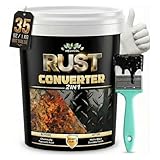
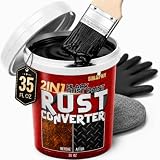


At a Glance: Product Types Compared
| Type | Example products | Best for | Limits |
|---|---|---|---|
| Rust-inhibiting enamel (brush or spray) | Rust-Oleum Stops Rust, Hammerite | Railings, gates, tools, furniture | Needs loose rust removed; limited for deep pitting |
| Rust converter | Rust-Oleum Rust Reformer, Corroseal | Light to moderate rust you cannot fully remove | Needs a topcoat for UV protection |
| Moisture-cured coating | POR-15 | Frames, chassis, underbody parts | Messy, needs gloves and strict prep; not UV stable alone |
| Zinc-rich primer | Various makers | Bare steel and weld areas | Specialist product; requires topcoat |
| Water-based direct-to-metal paint | Rust-Oleum and others | Indoor use with low odor | Less tough than solvent options in harsh weather |
First, Pick the Job
Anti-rust products fall into three jobs: stopping rust that is already there, protecting clean or newly treated metal, and decorating while protecting. A rust converter reacts with iron oxide and leaves a stable dark layer, but it is not a finish. An inhibiting enamel forms a barrier and is meant as the final coat. A primer sits between the two. Mixing the wrong roles, such as spraying a converter and leaving it exposed, is a common cause of rust returning.
Product Types in More Detail
Rust-inhibiting enamels
Products like Rust-Oleum Stops Rust and Hammerite are marketed to go directly on prepared rusty metal. Makers list them for fences, gates, and equipment and offer brush, roller, and spray formats. Hammerite’s textured and smooth finishes are popular for garden metalwork. Always read the label’s directions about how much rust may remain and how many coats are required.
Rust converters
Rust Reformer, Corroseal, and similar converters are applied over remaining rust to chemically change it into a paintable surface. Several automotive and DIY outlets suggest wire brushing loose flakes first, then applying the converter, then topcoating. They work best on thin rust layers rather than deep, flaking corrosion.
POR-15 style coatings
POR-15 is a moisture-cured urethane-type coating widely discussed in restoration communities. The maker stresses a multi-step process involving cleaning, degreasing, and an etching prep stage, and recommends a topcoat because the coating can degrade in sunlight. It is for restoration projects, not casual touch-ups, and it stains skin and clothing.
Spray finishes for small items
For tools, brackets, PC case panels, or monitor stands, spray rust-inhibiting enamels give an even finish with less effort. Matte black, gloss black, and a few colors are typical. Spray in thin coats to avoid drips, and allow the coating to cure fully before reassembling anything.
Preparation Matters Most
- Remove loose rust and flaking paint with a wire brush, scraper, or abrasive pad.
- Clean oil and dirt with a degreaser, then rinse and dry fully.
- Sand edges of intact paint so the new coat blends.
- Apply converter or primer if the instructions call for one.
- Apply the topcoat in thin layers within the recoat window the maker lists.
Safety
These coatings contain solvents. Work outdoors or in a space with good airflow, keep them away from flames and sparks, wear gloves and eye protection, and use a respirator rated for organic vapors when the label calls for it. Do not sand or grind old paint of unknown age without checking for lead; older paints may contain it, and testing or professional removal is advised. Follow the product’s safety data sheet and local disposal rules for leftover paint and rags.
Pick X If Decision Table
| If you … | Pick |
|---|---|
| Have a rusty gate or railing outdoors | Rust-inhibiting enamel such as Hammerite or Stops Rust |
| Cannot remove all the rust | Rust converter plus a topcoat |
| Are restoring a frame or chassis | POR-15 style system with topcoat |
| Want fast color on small metal parts | Spray enamel for metal |
| Work indoors and dislike strong odors | Water-based metal paint |
| Have bare, clean steel | Zinc or rust-inhibiting primer |
Budget Tiers
Budget tier is cans of spray enamel and simple converters from mainstream brands. Mid-range covers brush-on enamels with larger tins and multi-product kits. Premium covers restoration systems like POR-15 and professional-grade primers, which cost more but are meant for demanding jobs. For everyday home fixes, the budget and mid-range tiers are usually enough.
Alternatives
- Replace the part: If rust has eaten through the metal, painting will not restore strength. Replace structural or safety-related parts.
- Powder coating: A professional finish for parts you can remove, durable and consistent.
- Galvanizing or zinc plating: A shop treatment that suits fasteners and brackets.
- Wax or oil coatings: Penetrating products for hidden cavities rather than visible surfaces.
Common Mistakes
- Painting over loose scale instead of removing it.
- Applying a thick coat that runs and stays soft.
- Leaving a converter without a topcoat.
- Painting in cold or damp conditions outside the maker’s stated temperature range.
- Skipping masking and getting overspray on nearby parts.
Frequently Asked Questions
Can I paint directly over rust?
Some products are made to go over lightly rusted surfaces after loose material is removed. Check the label on your product, since not all paints are designed this way.
What is the difference between a rust converter and a rust-inhibiting paint?
A converter chemically alters rust into a stable layer, while a paint forms a protective barrier. Many projects use both: converter first, then a topcoat.
How long does anti-rust paint last?
That depends on surface prep, weather exposure, and film thickness. Makers list recoat and cure times, but long-term life varies by situation.
Is POR-15 worth the extra effort?
For frames and chassis in restoration projects, many enthusiasts value it, but it demands careful prep and gloves. For a garden gate, a standard enamel is simpler.
Do I need a primer?
If the product is labeled direct-to-metal, a primer may not be required. For bare steel, a rust-inhibiting primer adds protection and helps the topcoat bond.
Can I use these on PC cases or computer hardware?
Only on bare external metal panels, with the hardware removed, and with ample drying time. Do not spray near components, and let fumes clear before use.







Write Your Review
No reviews yet. Be the first to share your experience!