
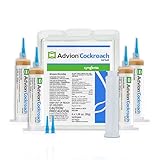
- Top Pick: Advion Cockroach Gel Bait, 4 Tubes x 30-Grams, 1 Plunger and 2 Tips, Indoor and Outdoor Use, Roach Killer Gel for American, German and Other Major Cockroach Species (2 Pack)
- Best Value: Syngenta 383920 Advion Cockroach Gel Bait 4 X 30 Gram Tubes Roach Control | Targets German American & other major cockroach species indoxacarb formula for indoor & outdoor use
- Premium Choice: TERRO Roach Killer Gel Bait Stations, 12-Pack, Ready-to-Use Cockroach Bait | Kill Roaches Where They Hide, Breed, & Nest, No-Mess, Kills German, American, & Oriental Roaches, Indoor & Outdoor Control
For American cockroaches, a professional-grade gel bait using a different active ingredient from the one you used last time is the strongest starting point, with sealed bait stations as a tidier option around pets and kids and a perimeter approach for the outdoor and sewer-linked sources these large roaches come from. Gel baits from makers such as Advion, Gentrol-based programs and Combat Source Kill are the names reviewers and pest control outlets mention most often.
As an Amazon Associate we earn from qualifying purchases at no extra cost to you.



Why American cockroaches are harder than German roaches
American cockroaches are large, often reaching more than an inch and a half, and they live outdoors in mulch, tree holes, storm drains and sewers before wandering inside. University extension services note that they prefer warm, damp areas such as basements, crawl spaces, boiler rooms and drain lines. Because the source is usually outside or in plumbing, bait alone rarely finishes the job. Sealing entry points, fixing moisture and treating the perimeter matter as much as the product.
Baits are slow by design. A roach eats the bait, returns to its harborage and can pass the active ingredient on to others through feces or by being eaten. Do not expect overnight results, and do not spray repellent insecticides near bait, since repellents make roaches avoid it.
Bait formats compared
| Format | Best for | Strengths | Limits |
|---|---|---|---|
| Gel bait syringe | Cracks, voids, basement corners | Precise placement, strong palatability | Needs careful placement away from pets and children |
| Bait stations | Homes with kids or pets | Enclosed, tidy, easy to replace | Smaller bait amount, may be too small to draw big roaches |
| Granular outdoor bait | Mulch beds, foundation perimeter | Treats the outdoor source | Weather-sensitive, label restrictions apply |
| Dust (such as boric acid or silica products) | Wall voids, under appliances | Long residual in dry voids | Needs a very light, even application |
| Liquid residual spray (professional use) | Exterior barrier treatments | Covers entry paths | Repellency can interfere with bait indoors |
Product types reviewers mention
Advion Cockroach Gel Bait
Advion’s gel uses the active ingredient indoxacarb, according to the maker, and is widely discussed by pest control reviewers as a professional-style gel for German roaches. Many guides list it for larger species too, placed in harborage areas. Follow the label for approved sites and species.
Combat Source Kill and Max stations
Combat sells bait stations and gels aimed at household use. The maker markets the stations as pre-baited and enclosed. Reviewers often point out that the larger American cockroach may need more stations placed close together than a smaller roach would.
Syngenta and Bayer professional gels
Professional brands such as Syngenta’s Optigard and Bayer’s Maxforce lines are sold mainly through pest control suppliers. The label for each states target pests and use sites. Because these are professional-grade, reading the label carefully is essential, and a licensed operator is a good option for heavy infestations.
Boric acid products
Boric acid dust or bait is a long-standing choice for voids. Extension sources advise applying a thin, barely visible film, since heavy piles are avoided by roaches. Keep it away from pets and children.
How to choose
- Species and size: check that the label lists American cockroaches or cockroaches in general, and that the bait is sized for the pest.
- Household: with toddlers or pets, favor enclosed stations and place gels only in voids they cannot reach.
- Location: basements, drains and crawl spaces need baits rated for damp, indoor-outdoor conditions.
- Active ingredient rotation: switching ingredients across treatments helps prevent bait aversion, which pest management literature describes.
- Infestation level: frequent daytime sightings suggest a large population, which tends to justify professional help.
Pick X if you
| If you… | Pick |
|---|---|
| See a few roaches in the basement | Gel bait in cracks plus sealing gaps |
| Have pets or small children | Enclosed bait stations in low-risk spots |
| Find roaches coming from the yard or drains | Exterior perimeter treatment and drain cleaning |
| Have a large or recurring problem | Licensed pest control provider |
Placement that gives bait a chance
Place small dabs of gel where roaches travel and hide: behind water heaters, along pipe chases, under sinks, near floor drains and at the base of foundation walls. Keep dabs small and spread across many points rather than a few large clumps. Clean up competing food sources, since roaches choose crumbs and grease over bait when both are available. Fix leaks and run a dehumidifier in damp basements.
Exclusion and cleanup
- Seal gaps around pipes, vents and door sweeps.
- Screen floor drains and keep drain traps filled with water.
- Store firewood and mulch away from the foundation.
- Repair damaged window and door screens.
- Store pet food in sealed containers.
Common mistakes
- Spraying repellent aerosols next to bait, which causes roaches to avoid it.
- Using too few bait points for a large pest.
- Treating indoors only while the outdoor source continues.
- Ignoring moisture problems that keep roaches coming.
- Placing gel where children or pets can reach it.
Safety
Read and follow the product label, which is the legal instruction for the product. Keep baits away from children, pets and food. If someone swallows a bait or dust product, contact poison control or a doctor. For heavy infestations, consult a licensed pest professional.
Monitoring results
Sticky monitor traps placed along walls in basements and near drains show where roaches travel and whether numbers drop after baiting. Check them weekly, record the count and replace them when full. Rising counts after two or three weeks suggest bait is being ignored, perhaps because of competing food, spray residue or a different active ingredient being needed. Switching to another bait type and re-checking sanitation is the logical next step. If roaches appear around floor drains, the plumbing itself may be the source, and a plumber or pest professional can inspect for broken lines or sewer connections. Keep a simple log with dates, product, placement and counts, which also helps a professional if you eventually call one.
Frequently Asked Questions
Does gel bait work on American cockroaches?
Many gel baits list cockroaches on the label and reviewers report use on larger species, though results are slower than with small roaches. Place several dabs along their travel routes. Combine with exclusion for the best chance.
How long does bait take to work?
Baits are designed to act over days rather than hours. Seeing more roaches at first can happen as the population is disturbed. If activity continues after a few weeks, reassess placement or call a professional.
Are bait stations safe around pets?
Enclosed stations reduce direct access, but they are not risk-free. Place them where pets cannot chew or move them, and follow the label. Contact a veterinarian if a pet eats bait.
Why do I keep seeing roaches outside the bait area?
American cockroaches often enter from outdoors, sewers and drains. Treating the exterior and sealing entry points addresses the source. Bait indoors only handles those that get in.
Can I use boric acid instead of a gel?
Boric acid is often used in wall voids as a thin dust. It works differently and needs careful, light application. It is a supplement, not always a full replacement for baits.
When should I call a pest professional?
Call one when you see roaches daily, find them in several rooms, or when do-it-yourself baiting has not helped after several weeks. Professionals can treat drains, voids and the exterior with products unavailable to consumers.







Write Your Review
No reviews yet. Be the first to share your experience!