
If you want a 300 size baitcaster that handles mid-weight lures all day, the Shimano Curado 300 and the Daiwa Tatula 300 are the usual starting points, the Shimano Tranx 300 suits heavy cover and bigger swimbaits, and the Daiwa Lexa 300 is the sensible budget-minded pick. Which one fits depends on line weight, lure size and how much cranking you do in a session.
As an Amazon Associate we earn from qualifying purchases at no extra cost to you.

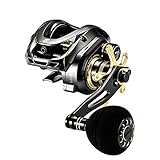
What “300 size” actually means
Reel makers use size numbers as a rough scale, not a standard. A 300 size reel from Shimano or Daiwa is a mid-to-large low-profile round or semi-round baitcaster, bigger than the 100 and 200 sizes used for finesse and crankbait work. Anglers pair it with rods in the medium-heavy to heavy range, fluorocarbon or braid in the 15 to 30 pound class, and lures such as spinnerbaits, jigs, big crankbaits, frogs and soft swimbaits. Because numbering is brand specific, always compare the maker’s listed line capacity, weight and gear ratio rather than trusting the number alone.
At a glance
| Reel | Best for | Notable maker-stated traits | Limits |
|---|---|---|---|
| Shimano Curado 300 series | All-round bass, jigs, spinnerbaits | Metal body, several gear ratio options, Shimano’s brake system | Mid-range tier cost; check ratio and handle side before buying |
| Daiwa Tatula 300 series | Heavy cover, flipping, frogs | Aluminum frame, Daiwa’s magnetic brake design, multiple ratios | Can feel large for small hands on long days |
| Shimano Tranx 300 series | Heavy cover, big swimbaits, thick braid | Built for stronger drag and bigger baits | Heavier, less suited to light lures |
| Daiwa Lexa 300 series | Budget tier first big reel | Lightweight body, simple adjustment | Fewer premium internals than higher models |
| Abu Garcia Revo family (larger sizes) | Anglers who prefer a round profile | Revo line spans several tiers; larger models target heavy lures | Sizing labels differ from Shimano and Daiwa |
How to choose
Gear ratio
Makers typically list ratios ranging from about 6:1 up to 8:1 or higher for this size. A lower ratio gives more torque for deep crankbaits and swimbaits that load the rod. A higher ratio helps with fast retrieves, pulling fish out of cover and picking up slack after a hookset. Many anglers with one reel choose a middle ratio, then add a second reel when they know their pattern.
Braking system
Magnetic and centrifugal brakes control the spool during the cast. Reviewers generally say magnetic systems are easier to live with, while external adjusters allow quick changes when wind or lure weight shifts. Beginners tend to backlash less with a reel that has a simple external dial.
Line capacity and spool
Capacity at 300 size is generous for 15 to 20 pound mono, fluorocarbon or braid. If you use thick braid, check the maker’s listed capacity for that diameter, since braid ratings are often given separately. Do not overfill; a spool that is too full invites backlashes.
Weight and handle
Weight matters across a full day. Heavier frames are stronger but fatiguing. Handle side (left or right retrieve) is fixed on many models, so decide which hand you crank with before ordering.
Pick X if …
| If you… | Pick | Why |
|---|---|---|
| Want one reel for jigs, spinnerbaits and chatterbaits | Curado 300 series | Balanced size and a spread of ratios |
| Flip heavy cover or throw frogs | Tatula 300 or Tranx 300 | Strong frames and power oriented designs |
| Cast big swimbaits | Tranx 300, lower ratio | Torque and durability for heavy loads |
| Are buying a first large baitcaster on a budget tier | Lexa 300 series | Straightforward controls at lower cost |
| Prefer round profile and thumb feel | Abu Garcia Revo larger sizes | Different ergonomics from low-profile Japanese designs |
Budget tiers explained
Budget reels from the 300 size range generally use lighter frames and fewer bearings. They work for casual weekend fishing and are fine for learning thumb control. Mid-range models add stronger metal bodies, better brakes and smoother drag. Premium reels add finer bearings and tighter tolerances; the real-world gain is smoother casting with light lures and longer service life, which matters most to anglers who fish several times a week.
Matching the rod
A 300 size reel balances best on a rod rated medium-heavy or heavy, about seven to seven and a half feet long. A short rod and big reel is a comfortable flipping setup, while a longer rod improves casting distance for crankbaits. Check that the reel foot sits correctly in the seat and that the rod’s rated line weight matches your spool.
Common mistakes
- Buying on size number alone and ending up with a reel too large for the lures you throw.
- Choosing a high ratio for deep cranking, then losing the torque needed to turn the lure.
- Over-tightening the brake and cast control so lures lose distance.
- Skipping maintenance; saltwater or dusty days need a wipe-down and light oil per the manual.
- Ignoring left or right handle orientation.
Alternatives
- Size 200 reels such as the Shimano Curado 200 or Daiwa Tatula 200 lines suit lighter lures and shorter rods.
- Spinning reels are better for light finesse lures and wind-heavy days, with no backlash risk.
- Round baitcasters of the Abu Garcia style give a different feel and suit anglers who favour a tall palm profile.
Care and setup
Set the spool tension so the lure falls slowly when you press the thumb bar, then adjust the brake until the first cast no longer overruns. Rinse after saltwater use and follow the maker’s lubrication guidance. Retire line that shows nicks or memory; fresh line often fixes more casting problems than a new reel.
Frequently Asked Questions
Is a 300 size baitcaster too big for bass?
No. Many bass anglers use 300 size reels for jigs, spinnerbaits and heavier cover. It is larger than finesse reels, so lighter lures under about a quarter ounce are harder to cast with it.
What line works best on a 300 reel?
Fluorocarbon or braid in the mid-teens to thirties of pound test is common. Check the maker’s listed spool capacity for your line type and diameter.
Which gear ratio should I pick?
A mid-range ratio is the safest all-round choice. Go lower for deep cranking and big swimbaits, and higher for flipping and fast retrieves.
Can a beginner use a 300 size baitcaster?
Yes, with practice. Use heavier lures at first, keep the brake settings conservative and learn to feather the spool with your thumb. Practice in an open space before fishing near cover.
Left or right hand retrieve?
Choose the side that feels natural when you cast with your dominant hand. Many anglers cast with the right hand and reel with the left, but there is no wrong answer.
How often should I service a baitcaster?
Wipe it after each trip and apply light oil to the bearings and worm gear as the manual advises. Take it to a service centre if the drag grinds or the spool spins roughly.





Write Your Review
No reviews yet. Be the first to share your experience!