
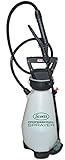
- Top Pick: Scotts 2 Gallon Lithium-Ion Battery Powered Sprayer with Pump Zero Technology, Rechargeable Lawn & Garden Tank Sprayer, Model 190567
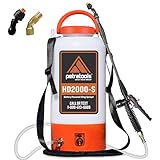
- Best Value: PetraTools HD2000-S 2 Gallon Battery Powered Garden Sprayer, 2 Hour Runtime | Weed Sprayer w/ 4 Ft Hose, Extendable Wand, 2 Nozzles – For Lawn Care, Weed & Pest Control, Fertilizing – Up to 20 ft Reach
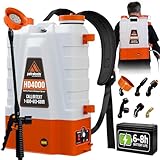
- Premium Choice: PetraTools HD4000 Battery Powered Backpack Sprayer, 6 Hr Runtime, 6 Nozzles | Electric Sprayer for Lawn & Garden w/ Battery Meter, Adjustable 90 PSI & Padded Straps – For Weed/Pest Control, Fertilizing
For most homeowners, a battery backpack sprayer with a tank around 4 gallons from a tool system you already own, such as Ryobi ONE+, Milwaukee M18 or DeWalt 20V MAX, is the best battery chemical sprayer, while a 2 gallon handheld unit suits small beds and spot treatments, and a Chapin battery backpack suits users who want a purpose-built sprayer. Choose by tank size, pump pressure, battery platform and chemical compatibility rather than brand alone.
As an Amazon Associate we earn from qualifying purchases at no extra cost to you.

Safety first when spraying chemicals
Read the label on every herbicide, pesticide or fertilizer and follow it exactly. Wear the protective gear the label lists, usually gloves, long sleeves, eye protection and sometimes a respirator. Do not spray in wind, near water, or where children and pets will be. Not every chemical is suitable for every sprayer: check the sprayer maker’s list of compatible materials, because some strong or solvent-based products can attack seals. If you are unsure, contact the sprayer maker or the chemical manufacturer before use. Rinse the tank and lines after each use, and never reuse a chemical sprayer for food or drinking water.
What to look for
Tank size
Backpack models commonly hold around 4 gallons, which is enough for a medium yard or garden. Handheld pump-style battery sprayers range from about 1 to 2 gallons and suit small jobs. A larger tank means fewer refills but more weight on your back when full.
Pump pressure and flow
Makers list pressure in PSI and flow rate. Lower pressure suits herbicides that must avoid drift, while higher pressure helps reach into tall vegetation or trees. An adjustable pressure setting gives control for different jobs.
Battery platform
If you own cordless tools, choosing a sprayer that uses the same battery lets you save outlay and carry fewer chargers. Ryobi ONE+ 18V, Milwaukee M18 and DeWalt 20V MAX each have sprayer options. Some sprayers use their own built-in lithium pack, such as certain Chapin and Solo units.
Run time
Makers sometimes state run time per charge, which depends heavily on pressure and nozzle. Treat it as a guide and expect less in real use.
Seals and materials
Viton or similar seals handle a wider range of chemicals than basic rubber. Check the maker’s compatibility guide for what the pump and hose can handle.
Comfort and fit
For backpack models, padded straps, a chest strap and a good tank shape help. A wide fill opening with a strainer keeps chemicals clean and reduces spills.
Models to shortlist
| Model | Best for | Key points the maker lists | Limits |
|---|---|---|---|
| Chapin battery backpack sprayer | Dedicated sprayer for yards and gardens | Around 4 gallon tank, rechargeable battery, adjustable pressure on some models | Own battery, not part of a tool platform |
| Ryobi ONE+ 18V backpack sprayer | Owners of Ryobi tools | Around 4 gallon tank, ONE+ battery compatibility | Battery is usually sold separately in bare tool versions |
| Milwaukee M18 sprayer | Owners of M18 tools | Handheld style, around 2 gallon tank, M18 battery | Smaller tank for large areas |
| DeWalt 20V MAX backpack sprayer | Owners of DeWalt 20V tools | Around 4 gallon tank, adjustable pressure, 20V MAX battery | Bare tool needs battery and charger |
| Solo battery backpack sprayer | Frequent yard and garden users | Around 4 gallon tank, built-in rechargeable battery | Check parts and service availability |
Notes on each option
Chapin battery backpack models
Chapin is a long-standing sprayer maker. Its battery backpack models are designed for lawn and garden chemical work, with a roughly 4 gallon tank, a wand and options for different nozzles. Home-improvement and garden outlets commonly list them among top battery backpack sprayers. They are a good fit if you do not own a cordless tool platform.
Ryobi ONE+
Ryobi’s sprayer uses the shared 18V ONE+ battery, which is attractive if you already own a drill or trimmer from the line. The maker describes a backpack tank and adjustable spray settings. The value is in sharing batteries with tools you own.
Milwaukee M18
Milwaukee’s M18 sprayer is a handheld style unit with a smaller tank, which suits spot treating weeds or spraying flower beds. Because it is lighter than a backpack unit, it is easier to use for short jobs.
DeWalt 20V MAX
DeWalt’s backpack sprayer is built around its 20V MAX battery. Reviewers at tool sites such as Pro Tool Reviews often discuss the pressure control and comfort of the straps. It is a sensible pick for those with the DeWalt battery platform.
Solo
Solo has a long history in backpack sprayers. Its battery models are aimed at frequent users, and the maker lists strong build quality and replaceable parts. It is worth considering if you spray often.
Choosing by task
| Task | Better choice | Why |
|---|---|---|
| Spot-treating weeds in beds | 2 gallon handheld such as Milwaukee M18 | Light and easy to handle |
| Treating a medium lawn | 4 gallon backpack | Fewer refills, hands-free pumping |
| Spraying orchard or tall plants | Backpack with higher pressure range | Reach and coverage |
| Occasional use only | Tool-platform sprayer | No extra charger, simple storage |
| Frequent professional use | Solo or similar heavy-duty unit | Parts and durability |
Nozzles and drift
The nozzle controls droplet size and pattern. Fine droplets cover well but drift in wind. Coarser droplets reduce drift. Many sprayers include several nozzles, such as a fan, cone and adjustable type. Match the nozzle to the product label. Spraying on a calm day, in the early morning or evening, helps keep chemical on target.
Care and cleaning
- Triple-rinse the tank and wand after use, following the chemical label for disposal of rinse water.
- Do not store chemical in the tank between uses unless the label allows.
- Remove and clean the filter and strainer regularly.
- Charge the battery in a dry location, and follow the maker’s guidance on storage temperatures.
- Inspect hoses, seals and the wand for leaks before each season.
Common mistakes
Overfilling the tank is a common error, as is mixing chemicals in a sprayer that is not rated for them. Another is using high pressure for herbicides near desirable plants, which causes drift. People also forget to clean the sprayer, which clogs nozzles and shortens pump life. Finally, using a sprayer that once held herbicide for fertilizer or foliar feeding can damage plants due to residue, so many gardeners keep separate sprayers.
Alternatives
A manual pump sprayer is cheaper and simpler for occasional use, though it takes effort for large areas. A hose-end sprayer suits fertilizer but is less precise for herbicides. For large properties, a gas-powered or ride-on sprayer may be more suitable, though these require more maintenance.
Frequently Asked Questions
Can I use any chemical in a battery sprayer?
No. Check the sprayer maker’s chemical compatibility guidance and the chemical label. Some products can damage seals or hoses, and others have specific application equipment requirements.
What tank size should I choose?
A 4 gallon backpack tank suits most yards and gardens. A 1 to 2 gallon handheld unit is easier for small areas and spot work.
Is a backpack sprayer comfortable to carry?
A full tank carries a lot of weight, so padded straps and a chest strap matter. Spray in sections and refill when needed to avoid fatigue.
How long does the battery last?
It depends on the battery size, pressure and nozzle. Makers often state a run time per charge, but real use is usually shorter at high pressure. Keep a spare battery for large jobs.
Should I use the same sprayer for herbicide and fertilizer?
Many gardeners keep separate sprayers to avoid cross-contamination, since herbicide residue can harm plants even after rinsing. If you must share, follow the label’s cleaning instructions carefully.
How do I dispose of leftover chemical?
Follow the product label and your local authority’s rules for disposal. Do not pour leftovers into drains, near water or onto hard surfaces. Contact your local waste facility if you are unsure.







Write Your Review
No reviews yet. Be the first to share your experience!