
For white clothes, the most reliable setup is an oxygen-based whitening booster such as OxiClean White Revive for laundry soaks, a pre-treat spray or stick like Shout Advanced for fresh stains, and an enzyme-based detergent for body soils and food. Chlorine bleach has a place on white cotton, but it can yellow some fabrics and damage others, so match the product to the stain and the care label. Gamers deal with a particular set of marks: energy drink spills, pizza grease, collar sweat on hoodies, and ink or marker from desk setups.
As an Amazon Associate we earn from qualifying purchases at no extra cost to you.

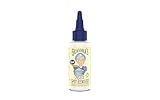
Match the Stain to the Chemistry
| Stain type | What usually works | Example product lines |
|---|---|---|
| Grease and oil (pizza, chips) | Surfactant pre-treat, then a warm wash | Shout Advanced, dish soap used as pre-treat |
| Protein (sweat, blood, food) | Enzyme detergent, cool water first | Persil ProClean, Tide Plus lines with enzymes |
| Tannin (coffee, tea, soda) | Oxygen bleach soak | OxiClean White Revive, Clorox Oxi products |
| Yellowing or gray dinginess | Oxygen booster, periodic soak | OxiClean White Revive, Borax-style boosters |
| Ink | Rubbing alcohol on cotton, then wash | Specialty ink removers; test first |
| On-the-go spot | Pen or wipes, then a proper wash later | Tide to Go, Shout wipes |
Product lines and formulas get updated, and labels vary by country. The names above are established lines, and the label on your container is the authority on dilution and fabric suitability.
The Products in More Detail
Oxygen-based whiteners
Oxygen bleaches, often built on sodium percarbonate, work by releasing oxygen when dissolved in water. Makers like OxiClean describe them as color-safe for many fabrics, which makes them a common first choice for whites and light colors alike. They work best in warm to hot water as the label directs, with a soak time of several hours for stubborn stains. Wirecutter and Good Housekeeping have discussed oxygen boosters when covering laundry stain removers.
Pre-treat sprays and sticks
These apply a concentrated surfactant mix directly on the stain. Shout is a leading line in this category, and many people also use a Fels-Naptha bar or a stain stick. The advantage is quick action: treat before the stain dries, then wash as directed.
Enzyme detergents
Enzymes break down protein, starch, and fat. If your stains are from sweat or food, a detergent that lists enzymes helps and pairs well with a soak. Hot water can set protein stains, so use cool water first for blood or sweat unless the care label says otherwise.
Chlorine bleach
Chlorine bleach is strong and can brighten white cotton and some blends, but it can turn certain fabrics yellow, weaken fibers, and ruin colors. Never mix it with ammonia, vinegar, or other cleaners, because dangerous gases can form. Use it only if the garment’s care label allows bleach.
Budget, Mid-Range, and Premium Tiers
At the budget tier, a pre-treat spray and a large tub of oxygen booster handle most stains. Mid-range adds a good enzyme detergent and a laundry stain stick for travel. Premium options include specialty products for specific stains, such as dedicated ink or rust removers, and professional dry cleaning for delicate whites or items with care tags that say dry clean only.
Step-by-Step for a Typical Stain
- Blot the stain; do not rub, which spreads it into the fibers.
- Rinse from the back of the fabric under cool running water.
- Apply a pre-treat or detergent directly and let it sit for the time on the label.
- For tannin or dinginess, soak in an oxygen booster solution as directed.
- Wash on the warmest cycle that the care label allows.
- Check the stain before drying. Heat from a dryer can set a stain, so air dry and repeat if needed.
Fit and Fabric Notes
- Cotton: the most forgiving; handles oxygen boosters and, if allowed, chlorine bleach.
- Polyester and blends: prone to holding oil; use a surfactant pre-treat. Whites can yellow with age or body oils.
- Wool, silk, and delicates: avoid strong bleaches and follow the care tag; use a specialty cleaner or a professional.
- Printed or graphic whites: test a hidden area first because a print can fade.
Pick X If You Need This
| Need | Pick |
|---|---|
| Fresh grease from snacks | Pre-treat spray or dish soap, then wash |
| Sweat yellowing on collars and underarms | Enzyme detergent and oxygen booster soak |
| A shirt that has gone dingy over time | Periodic oxygen soak |
| Drink spill when out | Stain pen or wipes, then wash soon |
| Delicate white fabric | Professional cleaning or a gentle specialty product |
Common Mistakes
- Putting a stained item in the dryer before the stain is gone.
- Rubbing instead of blotting.
- Mixing chlorine bleach with other cleaners.
- Using hot water on protein stains first.
- Skipping the care label, especially for bleach and wool.
Alternatives
For stubborn dinginess, some people use a laundry booster with sodium carbonate or borax, and others rely on sunlight drying for natural brightening. Distilled white vinegar in the rinse helps some soil and odor problems but should not be mixed with bleach. For a high-value garment, a professional cleaner can test and treat stains without risk.
Frequently Asked Questions
What is the best stain remover for white clothes in general?
An oxygen-based booster, a pre-treat spray, and an enzyme detergent together cover most stains. Choose among them based on whether the stain is grease, protein, or tannin.
Can I use bleach on all white clothes?
No. Check the care label, because bleach can yellow some synthetics and damage delicate fibers. Oxygen bleach is usually the gentler first option.
Why do white shirts turn yellow under the arms?
Sweat combined with some antiperspirant ingredients can leave residue that oxidizes over time. Pre-treating with an enzyme product and soaking in an oxygen booster are common remedies.
How long should I soak stained whites?
Follow the product label; many oxygen boosters list several hours or overnight for tough stains. Rinse and wash afterward.
Will a stain come out if it has been through the dryer?
It is harder, but repeated pre-treating and soaking can still help. Allow garments to air dry between attempts so you can see progress.
Is it okay to use dish soap as a stain remover?
Many laundry guides mention dish soap for grease stains because it is made to cut oil. Use a small amount, rinse well, and test on a hidden area on delicate fabrics.





Write Your Review
No reviews yet. Be the first to share your experience!