
- Top Pick: Ultra Pain Relief Cooling Pillow for Neck Support, Adjustable Cervical Pillow Cozy Sleeping, Odorless Ergonomic Contour Memory Foam Pillows, Orthopedic Bed Pillow for Side Back Stomach Sleeper
- Best Value: Ultra Pain Relief Cooling Pillow for Neck Support, Adjustable Cervical Pillow Cozy Sleeping, Odorless Ergonomic Contour Memory Foam Pillows, Orthopedic Bed Pillow for Side Back Stomach Sleeper
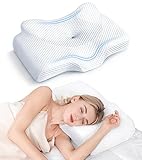
- Premium Choice: Osteo Cervical Pillow for Neck Pain Relief, Hollow Design Odorless Memory Foam Pillows with Cooling Case, Adjustable Orthopedic Bed Pillow for Sleeping, Support for Side Back Sleepers
A contoured memory-foam pillow such as the Tempur-Pedic TEMPUR-Neck suits back and side sleepers who want a fixed cervical shape, an adjustable-fill pillow such as the Coop Home Goods Original suits people still finding their ideal height, and a water-based pillow such as the Mediflow suits those who like adjustable firmness. Long gaming sessions leave plenty of players with a stiff neck by bedtime, so a pillow that keeps the head level with the spine matters more than any marketing label.
- What “orthopedic” means on a pillow label
- At a glance
- How to choose by sleeping position
- Materials and what they mean
- Budget tiers
- Pick X if…
- Alternatives worth a look
- Common mistakes
- Fit and care notes
- Sizing and loft in more detail
- Setting up the pillow properly
- Who should be careful
- Frequently Asked Questions
As an Amazon Associate we earn from qualifying purchases at no extra cost to you.



What “orthopedic” means on a pillow label
The word is not regulated in a way that guarantees a medical result. In practice, makers use it for pillows with a contoured profile, a raised edge under the neck, or a firm supportive core. Treat it as a shape description, not a treatment claim. Persistent neck pain, numbness in the arms, or pain after an injury is a reason to see a doctor or physiotherapist rather than shop for a pillow.
At a glance
| Pillow | Type | Best for | Limits |
|---|---|---|---|
| Tempur-Pedic TEMPUR-Neck | Contoured memory foam, sold in several sizes | Back and side sleepers who want a fixed cervical curve | Shape is fixed; needs a few nights to adapt; can run warm |
| Coop Home Goods Original | Shredded foam-and-microfibre fill, adjustable | People unsure of their ideal loft; combination sleepers | Fill can shift; needs fluffing |
| Purple Harmony | Latex core with a grid-style top layer | Hot sleepers wanting a cooler, springy feel | Heavier; premium tier |
| Mediflow Water Pillow | Fibre pillow with an adjustable water chamber | Those who want to tune firmness by adding or removing water | Water chamber needs setup; some find it bulky |
The makers describe each of these products on their own pages, and reviewers at mattress and sleep outlets list the same four families repeatedly in neck-support roundups. Specific heights and dimensions vary by size you choose, so read the maker’s size chart before ordering.
How to choose by sleeping position
Side sleepers
The gap between the ear and the outer shoulder is the key number. A wider shoulder needs a taller pillow. A pillow that is too low lets the head drop toward the mattress and bends the neck sideways. Adjustable-fill models make this easy because you can remove material until the neck looks level with the spine when viewed from behind.
Back sleepers
A medium or lower loft with a gentle rise under the neck usually works best. Too much height pushes the chin toward the chest. Contoured pillows with a lower centre dip and a raised rolled edge are designed for exactly this position.
Stomach sleepers
Sleeping on the stomach twists the neck, and most orthopedic guidance is to avoid it where possible. If you cannot change position, a very thin, soft pillow keeps the angle small. A thick contour pillow is a poor match.
Materials and what they mean
- Memory foam: conforms and holds shape, with a slow response. It can feel warm unless the maker adds ventilation or gel layers.
- Latex: springier, quicker to rebound and usually cooler. It is heavier and not suitable for anyone with a latex allergy.
- Shredded fill: adjustable and breathable but can compress over time and needs regular fluffing.
- Water chamber: lets you tune firmness, though filling and draining adds a setup step.
- Fibre or down alternative: soft and affordable but usually the least structured support for the neck.
Budget tiers
| Tier | What to expect | Trade-off |
|---|---|---|
| Budget | Basic contour or shredded-foam pillows from generic makers | Shorter lifespan, looser quality control, vague material details |
| Mid-range | Adjustable-fill pillows and water pillows from established sleep brands | Good flexibility, support depends on how well you set the fill |
| Premium | Branded memory foam and latex designs with trial periods and warranties | Higher cost; fixed shape needs a good size match |
Pick X if…
| If you… | Pick |
|---|---|
| Want a defined contour and consistent shape | Tempur-Pedic TEMPUR-Neck |
| Are unsure of loft or change position often | Coop Home Goods Original |
| Sleep hot and like a springy feel | Purple Harmony |
| Want to fine-tune firmness over time | Mediflow Water Pillow |
Alternatives worth a look
A simple rolled towel under the neck, placed inside a standard pillowcase, is a low-cost way to test whether a raised neck edge helps before buying. Latex contour pillows from other sleep brands are another option, as are cervical pillows with a cut-out for side sleepers. Pair any of these with a mattress that is not sagging, because a worn mattress undoes a good pillow.
Common mistakes
- Choosing by firmness alone and ignoring height.
- Ignoring shoulder width when picking a side-sleeper pillow.
- Judging a new pillow after one night; most people need several nights to adapt.
- Expecting a pillow to fix pain that has a medical cause.
- Keeping a flattened pillow for years; supportive materials wear out.
Fit and care notes
Check the pillowcase size the maker lists, since contour pillows often need a specific case. Memory foam pillows usually should not go in a washing machine; follow the care label, and use a removable cover where provided. Foam may have a mild odour at first, which makers say fades with airing.
Sizing and loft in more detail
Many contour pillows come in small, medium and large profiles, and makers usually tie the choice to body size and sleeping position. A smaller person on a soft mattress often fits the lower profile, while a larger frame on a firm mattress may need the taller one. If a maker offers a returns or trial window, use it, because loft is hard to judge from a chart alone.
Setting up the pillow properly
Place the pillow so the thicker roll sits under the neck and the lower dip cradles the head when lying on the back. When turning to the side, the head should sit on the larger roll, with the nose in line with the middle of the chest. Keep the shoulders on the mattress, not on the pillow, because pushing the shoulder onto the pillow raises the head and defeats the contour.
Who should be careful
People with spinal conditions, recent injury, or numbness should ask a clinician before changing sleeping position or support. Anyone with a latex allergy should avoid latex cores, and those sensitive to odours should air foam pillows before use, as makers advise.
Frequently Asked Questions
How high should a pillow be for neck pain?
The pillow should keep the neck in line with the spine. For side sleepers that means filling the gap between ear and shoulder; for back sleepers it means a lower loft with light neck support.
How long does it take to adjust to a new orthopedic pillow?
Many sleepers report needing about one to two weeks to adapt to a different shape. Mild stiffness at first is common, but sharp or worsening pain is a reason to stop using it and speak to a clinician.
Is memory foam or latex better for neck support?
Neither is better for everyone. Memory foam gives a slow, hugging feel, while latex is springier and tends to sleep cooler. Pick based on temperature preference and weight.
Can a pillow cure neck pain?
No. A suitable pillow can reduce strain from poor alignment, but it is not a treatment. Ongoing pain, numbness, or tingling should be assessed by a doctor.
How often should I replace a neck pillow?
Replace it when it no longer returns to shape, develops lumps, or you start waking with stiffness again. Makers typically give a warranty length that hints at expected lifespan.
Are adjustable pillows good for beginners?
Yes, because you can add or remove fill to find the right height without buying a second pillow. The trade-off is occasional fluffing to keep the fill evenly spread.





Write Your Review
No reviews yet. Be the first to share your experience!