
- Top Pick: Brooks Women’s Anthem 8 Neutral Running Shoe – Antarctica/Chateau/Raisin – 7.5 Medium
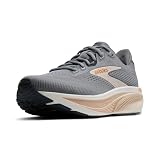
- Best Value: Brooks Women’s Ghost 18 Neutral Running & Walking Shoe – Grey/Morganite/Coconut – 8.5 Medium
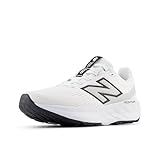
- Premium Choice: New Balance Women's Fresh Foam 520 V9 Running Shoe, Nb White/Black/Silver Metallic, 9 M
Women with a neutral gait who want one dependable daily trainer should start with a well-cushioned road shoe such as the Brooks Ghost, Saucony Ride, Nike Pegasus or New Balance Fresh Foam 880, while those who want more bounce for tempo days look at the ASICS Novablast or Hoka Clifton lines. Which one fits depends on foot shape, how much cushioning you like and how often you run.
As an Amazon Associate we earn from qualifying purchases at no extra cost to you.


What “neutral” means in a running shoe
A neutral shoe has no built-in stability device such as a medial post or guide rail. It is intended for runners whose feet do not roll inward excessively. Many runners fall in that group, but gait is not always obvious. If you are unsure, a running specialty shop can watch you move, and a podiatrist or physical therapist can advise if you have pain. Shoe choice does not replace medical advice on injuries.
Model lines update often, with new versions arriving roughly every year. Names below refer to the lines; the current version may carry a higher number, and details such as weight or heel-to-toe drop are on the maker’s page for that version.
At a glance: popular neutral women’s trainers
| Model line | Best for | Character | Limits |
|---|---|---|---|
| Brooks Ghost | Daily miles, first dedicated running shoe | Balanced cushioning, smooth ride, widely available widths | Not the lightest or most playful |
| Saucony Ride | Mixed daily and moderate runs | Balanced, slightly firmer feel per many reviewers | Fit runs snug for some |
| Nike Pegasus | Versatile everyday and speed days | Responsive daily trainer, familiar fit | Narrower options than some brands |
| ASICS Novablast | Runners who like a springy, softer ride | High-stack, bouncy cushioning | Less stable underfoot on twisty paths |
| Hoka Clifton | Maximum cushioning, lighter feel | Soft, rockered ride | Less ground feel; some find it too soft |
| New Balance Fresh Foam 880 | Budget to mid-range daily trainer | Plush but straightforward, multiple widths | Fewer features than newer premium lines |
| New Balance Fresh Foam 1080 | Long runs wanting a plush feel | Premium cushioning | Heavier and pricier tier |
| Mizuno Wave Rider | Runners wanting a firmer, responsive ride | Wave plate for structure while staying neutral | Firmer than max-cushion rivals |
How to choose a neutral shoe
Cushion level
Cushion ranges from moderate, where you still feel the road, to plush, where the midsole absorbs much of the impact. Moderate suits shorter or faster runs. Plush suits long easy miles and runners who prefer comfort over feedback.
Heel-to-toe drop
Drop is the height difference between heel and forefoot, listed by makers in millimetres. Traditional trainers sit around the higher end of the range; lower-drop shoes shift load toward the forefoot and calves. If you are used to one drop, changing a lot at once is a common cause of sore calves and Achilles, so transition gradually.
Width and volume
Many brands offer narrow, regular and wide options for women. Toe space matters because feet swell during a run. A thumb’s width in front of the longest toe is a widely given guide. Brooks and New Balance are generally noted by reviewers for width options.
Weight
Daily trainers for women typically sit in a middling weight range. Lighter does not always mean better; extra cushioning in a heavier shoe can be welcome on long runs.
Surface
All models above are road shoes. For muddy or rocky paths, a dedicated trail shoe with deeper lugs is a better option.
Budget tiers
- Budget tier: last year’s version of a popular line, or entry models such as the New Balance 880 or ASICS Gel-series daily trainers, which often drop in cost when a new version launches.
- Mid-range: current Ghost, Ride, Pegasus and Clifton fall here, the sweet spot for most runners.
- Premium: plush or super-cushioned models like the 1080 or advanced foam trainers, worth it mainly if you log high mileage.
Pick-this-if decision table
| If you … | Choose | Reason |
|---|---|---|
| Are buying your first serious pair | Brooks Ghost | Forgiving, balanced, available in widths |
| Want one shoe for easy and faster runs | Nike Pegasus or Saucony Ride | Versatile feel |
| Prefer a bouncy, soft ride | ASICS Novablast | High-stack foam |
| Want maximal cushion with a lighter feel | Hoka Clifton | Soft rockered geometry |
| Have a wider forefoot | New Balance Fresh Foam or Brooks wide size | Width options |
| Like a firmer, snappy feel | Mizuno Wave Rider | Responsive platform |
Fit tips specific to women’s shoes
- Women’s models are usually built on a narrower last than men’s with a lower heel volume. If a women’s shoe feels too narrow, try the wide version before sizing up in a men’s shoe.
- Shop in the afternoon when feet are slightly larger.
- Wear the socks you run in.
- Lace through every eyelet; use a runner’s loop if your heel slips.
- Walk and jog in the shop if returns allow, and watch for pressure over the toes or heel rub.
When to replace your shoes
Many makers and running coaches use a rough range of a few hundred miles before cushioning noticeably softens, though weight, surface and gait change this. Signs include flattened midsole creases, uneven outsole wear and new aches after runs. Rotating between two pairs can extend life.
Common mistakes
- Choosing by colour or brand loyalty without trying the fit.
- Buying a shoe the same size as your casual shoes; running size is often a half to full size larger.
- Going from a high-drop to a very low-drop shoe overnight.
- Ignoring persistent pain; see a clinician if aches continue.
- Wearing running shoes far past their life to save money.
Alternatives
If you overpronate or have flat arches, look at stability versions of the same lines, such as Brooks Adrenaline or ASICS Gel-Kayano, and ask a specialist. For race days, carbon-plated shoes exist but are a different category. Trail runners should consider Hoka Speedgoat or Brooks Cascadia style shoes.
Frequently Asked Questions
How do I know if I need a neutral shoe?
If your ankles stay fairly straight and your arches are normal or high, neutral is a common fit. A gait analysis at a running store or a visit to a physical therapist can confirm. Wear patterns on old shoes also offer clues.
Is the Brooks Ghost good for beginners?
Reviewers commonly describe it as a balanced, comfortable daily trainer, which makes it a frequent first-shoe suggestion. Fit still decides, so try it on and check widths.
Are max-cushion shoes better for injury prevention?
Evidence is mixed, and comfort is usually the best guide. Choose the cushion level that feels natural for your runs, and build mileage gradually.
Should I size up for running shoes?
Many runners go a half size larger than casual shoes to leave toe room as feet swell. Use the toe-space guide rather than a fixed rule.
Can I use neutral running shoes for walking or the gym?
Yes, for walking and general fitness they work well. For heavy lifting, a flatter, firmer shoe gives more stability.
How often do running shoe models change?
Most lines refresh about once a year. Previous-generation versions are often a good-value choice, as the changes can be incremental.





Write Your Review
No reviews yet. Be the first to share your experience!