
- Top Pick: ShocSox Women’s Running Compression Shorts – 5" No-Ride-Up with Leg Grippers, Pockets, Quick-Dry, High-Rise Waist (US, Alpha, Large, Regular, Regular, Black)
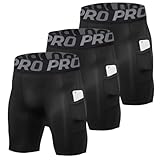
- Best Value: YUSHOW Mens Compression Shorts with Pocket Spandex Sports Underwear Black | Quick Dry Running Tights, 4 Way Stretch, Anti-chafing, Wide Waistband, No Ride-up, for Athletic, Cycling, Hiking, Workout
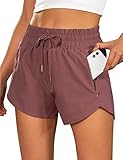
- Premium Choice: BMJL Women Athletic Shorts 2.5" Running Short with Zipper Pockets(Sumred,L) | dolphin hem,high waisted,drawstring design,no chafing or ride up,stretch&quick dry fabric,gym,workout,casual,curved line back
Runners who want shorts that stay put should look first at lined designs with a built-in brief or compression liner, a gripping hem or a longer inseam, and a waistband that locks without a drawstring fight; a loose, unlined split short suits only those with narrow thighs and an upright stride. The reason shorts creep upward is simple: friction between thighs, fabric that slides against skin, and a hem that is wider than the leg it sits on. Fix those three things and the problem mostly disappears.
As an Amazon Associate we earn from qualifying purchases at no extra cost to you.

Why Running Shorts Ride Up
Riding up is a mechanical issue, not a flaw in one brand. When your thighs rub together, the leg opening is dragged upward with every stride. Slippery liners, light polyester shells, a leg opening that flares wide and a short inseam all make it worse. Sweat adds to it because wet fabric clings and bunches. Understanding this helps you choose the construction rather than just the logo.
- Liner type: A compression liner that extends to mid-thigh holds the shell down; a thin mesh brief tends to move with the shell.
- Hem finish: Silicone grippers or a bonded, slightly narrower leg opening resist sliding.
- Inseam: Longer inseams give more fabric to travel before it reaches the problem zone, while very short splits expose more skin friction.
- Waistband: A flat, wide band with an internal drawcord stays level; thin elastic can roll and pull the whole short upward.
At a Glance: Current Options
The models below are established lines from major makers that have been refreshed over the last several seasons. Makers change liner and fabric details between versions, so read the product page for the exact version on sale. Descriptions here reflect how the makers and reviewers describe the designs, not measured results.
| Model | Best for | Stated design points | Limits |
|---|---|---|---|
| Nike Dri-FIT Stride | Everyday road running | Maker lists sweat-wicking fabric, built-in brief option on lined versions, several inseam lengths | Unlined versions can still bunch for runners with thigh contact |
| Brooks Sherpa | Runners who want a liner that stays down | Maker describes a compression-style liner and a stretch shell with pockets | Liner feel is a personal preference; some prefer a brief |
| lululemon Pace Breaker | Longer inseam, structured fit | Maker lists a lined design with a longer inseam option and a contoured waistband | Premium tier; fabric is on the heavier side for hot days |
| Patagonia Strider Pro | Warm weather, trail and road | Maker lists a lightweight shell with a built-in liner and a gusseted fit | Lighter shell can flutter in wind |
| Tracksmith Van Cortlandt | Classic, race-day look | Maker lists a lined short with a retro cut and a secure waistband | Shorter leg suits some builds better than others |
| Under Armour Launch | Budget-friendly basics | Maker lists moisture-wicking fabric with a lined and an unlined version | Fewer fit refinements; compare inseam before buying |
Pick the Short That Fits Your Problem
If your thighs touch when you run
Choose a short with a compression-style liner that reaches mid-thigh. This type fills the gap between thighs and reduces skin-on-skin motion, which is the main driver of creeping. Brooks and lululemon lines are often cited by reviewers for lined designs of this kind. A longer inseam, often described as seven inches or more by makers, also adds fabric that must travel further to bunch.
If you prefer minimal weight
Lightweight split shorts are popular for races, but they rely on a brief liner and a generous leg opening. Many runners find them comfortable on hot days, yet they are the type most likely to ride up for people with muscular or closer-set thighs. If you like the freedom of a split, look for one with a bonded hem and a liner that fully covers the thigh crease.
If you carry a phone or gels
Heavy items pull a thin waistband down and make the leg openings rotate upward. A short with a wide flat waistband and a back or hip pocket that sits close to the body spreads the load. Test the weight you plan to carry before race day.
Decision Table
| Pick this if you… | Choose | Why |
|---|---|---|
| Have thigh contact or chafe often | Lined short with compression liner and longer inseam | Liner reduces friction between thighs |
| Run hot and want maximum ventilation | Lightweight short with mesh liner | Less fabric, more airflow |
| Carry a phone on every run | Short with a flat wide waistband and secure pocket | Spreads the load, holds the waist |
| Run trails and want durability | Shell with gusseted crotch and sturdy liner | Allows high knee lift without pulling |
| Shop on a budget | Entry-level lined short from a major maker | Delivers the key construction at the lowest tier |
Size and Fit Notes
Sizing varies widely between makers. Read the size chart for waist and hip measurements rather than assuming your usual letter size applies. If you sit between sizes, many runners find the smaller size holds better in a lined short because it fits the thigh more snugly, while the larger size suits an unlined short that needs room to move. Try the short on and do a few high-knee lifts and lunges; if the hem climbs while you are standing still, it will do so at speed.
Consider inseam in context. A five-inch inseam looks very different on a short person than on a tall one. Reviewers frequently suggest sizing up in inseam length when riding up has been a recurring problem, since the extra length keeps the hem below the area where the thighs meet.
Common Mistakes
- Buying a short based only on the look of the shell and ignoring the liner design.
- Choosing a very short inseam for comfort in warm weather and then fighting the hem for the whole run.
- Wearing cotton underwear under a lined short; this adds a second layer that bunches. Most makers design the liner to be worn alone.
- Washing with fabric softener, which the care instructions of many technical garments warn against because it can reduce wicking and grip.
- Ignoring chafing products; an anti-chafe balm is a common low-cost add-on for long runs, regardless of short choice.
Alternatives to Traditional Shorts
If no short works, consider alternatives. Half tights or compression shorts worn alone sit tight against the skin and rarely move, and many runners wear them for long distance. Two-in-one designs pair a loose outer with a compression inner and combine airflow with stability. Running skorts and skirts, also available from the makers above, are another option for people who want coverage with less fabric slippage.
Frequently Asked Questions
Why do my running shorts ride up even when they fit?
Fit at the waist does not guarantee the leg opening stays put. If the hem is wider than your thigh or the liner slides, the fabric will climb as your thighs rub together. A longer inseam or a compression liner usually resolves it.
Are lined or unlined shorts better for avoiding ride-up?
Lined shorts with a compression-style liner tend to stay down better because the liner is anchored to the thigh. Unlined shorts rely entirely on the shell, which is more likely to move. The best choice depends on your build and comfort preference.
Does inseam length matter?
Yes. A longer inseam gives more fabric below the contact zone, so the hem has farther to travel before it bunches. Makers list inseams in inches, so compare numbers rather than relying on words like short or mid.
Can I use anti-chafe products with these shorts?
Many runners apply a balm or stick to the inner thigh before long runs. Check the garment care label, since some products can stain fabric, and test any product on a short run before a race. If you have persistent skin irritation, speak to a doctor or pharmacist.
How should I wash technical running shorts?
Follow the care label, which for most makers means a cold or warm wash and no fabric softener. Air drying preserves elastic and bonded hems longer than a hot dryer. Well-cared-for liners and grippers keep their hold for more seasons.





Write Your Review
No reviews yet. Be the first to share your experience!