
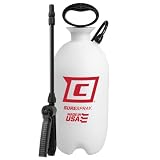
- Top Pick: CHAPIN 20004 1-Gallon Pump Sprayer for Lawn, Ultra Shot, Garden & Weeds | See fluid levels at a glance; the funnel top makes filling easier, while the adjustable nozzle and 34-in hose extend reach
- Best Value: CHAPIN 16200 2-Gallon Pump Sprayer for Lawn, Garden & Weed Control | Easy to fill and adjust, with an in-tank filter that helps reduce clogs during weed, pest and fertilizer applications
- Premium Choice: VIVOSUN 70oz Pump Sprayer, Portable Water Spray Bottle | for Spraying Plants, Flowers, Weeds and Cleaning, Hand Pump with Side Filling Port, Measuring Cup, Adjustable Nozzles
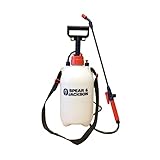
For most households, a two-gallon poly compression sprayer with a shoulder strap and a brass wand suits garden, weed and fence-staining jobs, while a one-gallon hand-held model fits indoor pest control and spot treatment, and a three-gallon or backpack unit makes sense once you are covering a large lawn. Pump-action pressure sprayers, also called compression or tank sprayers, all work the same way: you pump air into a sealed tank, the pressure pushes liquid up a dip tube, and a valve at the wand releases a spray. What separates a good one from a leaky disappointment is the seal material, the tank size you can actually carry, and the nozzle options.
- How These Sprayers Work and Why It Matters
- At a Glance: Sprayer Classes Compared
- What to Look for Before Choosing
- Brands and Product Families Worth Comparing
- Pick X If You Need This: Decision Table
- Budget Tiers Without the Price Tags
- Compatibility and Safety Notes
- Common Mistakes
- Alternatives to a Manual Pump Sprayer
- Cleaning and Maintenance
- Frequently Asked Questions
As an Amazon Associate we earn from qualifying purchases at no extra cost to you.


How These Sprayers Work and Why It Matters
Because the tank is pressurised by hand, the pressure falls as you spray and you re-pump every minute or two. Makers such as Chapin, Hudson, Solo and Roundup typically list a maximum working pressure in the range of tens of psi, which is far lower than a pressure washer. That is intentional: these tools are built to spread liquid evenly, not to blast surfaces. Read the maker’s manual for the exact limit on each model, and never exceed it, because an over-pumped tank is the most common source of a split seam or a popped lid.
At a Glance: Sprayer Classes Compared
| Class | Typical tank size listed by makers | Best for | Limits |
|---|---|---|---|
| Hand-held one-gallon poly | About one gallon | Indoor pest control, rose beds, spot weeding | Frequent refills, short wand reach |
| Two-gallon shoulder-strap poly | About two gallons | General yard, fences, decks, patios | Heavier when full, arm fatigue on big jobs |
| Three-gallon and larger poly | About three gallons | Lawns, orchards, wide-area treatment | Awkward carry, slower to clean |
| Stainless steel tank | One to three gallons | Oil-based products, frequent chemical use | Heavier, higher budget tier |
| Backpack pump (manual lever) | Around four gallons | Large properties, continuous spraying | Lever pumping effort, more parts to maintain |
What to Look for Before Choosing
Seal material
Standard sprayers use nitrile or EPDM seals that suit water-based products such as most herbicides and fertilisers. Makers often advertise Viton or FKM seals on pro-grade lines for harsher chemicals, solvents and some oil-based stains. If you plan to spray deck sealers or concentrated products, look for a model whose manual explicitly lists compatibility, and rinse after every use.
Tank material and visibility
Polyethylene tanks are light, resist rust and let you read the level through a translucent wall. Stainless steel tanks resist solvents and last longer, but weigh more. Printed gallon markings on the side help you mix concentrate accurately.
Wand, nozzle and trigger
A brass wand and shut-off valve tend to outlast plastic ones. An adjustable cone nozzle covers most jobs, from a fine mist to a narrow stream. A fan nozzle spreads herbicide in a flat, even pattern, and a lock-on trigger takes strain off your hand during long passes. Check whether replacement nozzles and seal kits are sold for the model, since they are the parts that wear first.
Hose and ergonomics
A hose of around four feet is typical on shoulder models; a longer wand helps you reach under shrubs without bending. A padded, adjustable shoulder strap matters more than most buyers expect once the tank is full of liquid.
Brands and Product Families Worth Comparing
Chapin has long been a standard name in garden sprayers, with poly one-gallon and two-gallon models plus a professional line using upgraded seals. Hudson is well known for its Bugwiz and Constructo lines and a range of backpack and tank formats. Solo, a German-founded brand, sells durable tank and backpack sprayers aimed at heavier use. Roundup and similar herbicide-brand sprayers are priced as entry-level convenience tools, usually sized for weekend yard work. Specific model numbers change between production runs, so match the exact tank size, seal type and pressure rating on the box against your needs rather than relying on a name alone.
Pick X If You Need This: Decision Table
| If this is you | Choose | Why |
|---|---|---|
| Indoor ant and spider treatment | One-gallon hand-held with a fine-mist nozzle | Light, easy to control, little mess |
| Weekend yard and garden | Two-gallon shoulder-strap poly | Best balance of capacity and weight |
| Staining a fence or deck | Pro-style sprayer with chemical-resistant seals, as listed by the maker | Solvent compatibility and stable pressure |
| Half-acre lawn | Backpack or three-gallon model | Fewer refills, weight on both shoulders |
| Occasional use, tight budget | Basic poly one- or two-gallon | Adequate for light work if rinsed after each use |
| Frequent oil-based product use | Stainless steel tank | Resists solvent damage over time |
Budget Tiers Without the Price Tags
At the budget tier, expect a molded poly tank, plastic wand and a single adjustable nozzle. These work for water-based herbicide and fertiliser if you rinse thoroughly. Mid-range models add a brass wand, a better seal set, a sturdier strap and sometimes a pressure-relief valve. Premium lines add Viton or FKM seals, reinforced hoses, extra nozzles and, in some cases, stainless tanks and a repair-kit program. Spending more helps most if you spray often or use harsher chemicals; for a few applications a year, a mid-range poly unit is usually enough.
Compatibility and Safety Notes
- Read the product label of whatever you are spraying and confirm that the sprayer’s manual allows it. Some manufacturers prohibit certain solvents or bleach.
- Do not use the same sprayer for herbicides and for products that touch edible plants; label tanks clearly to avoid cross-contamination.
- Wear gloves, eye protection and long sleeves as the chemical label directs.
- Release pressure before opening the tank, and point the nozzle away from your face.
- Never pump above the maker’s stated limit, and never use a tank that is cracked or whose lid will not seal.
- Keep chemicals away from children and pets, and follow local disposal rules for leftovers.
Common Mistakes
The most frequent errors are overfilling past the maximum fill line, which leaves no air space to pressurise; leaving mixture in the tank for days, which clogs the nozzle; and choosing a larger tank than you can carry comfortably. Others include using a standard-seal sprayer with solvents, skipping a rinse after use, and ignoring a hissing lid, which usually means a dried-out gasket. Lubricating the pump o-ring with the product the maker names, rather than random household oil, also extends life.
Alternatives to a Manual Pump Sprayer
- Battery-powered backpack sprayers: Brands including Ryobi, Chapin and Hudson list battery models that remove manual pumping, suited to large areas. They cost more and need charging.
- Hose-end sprayers: Attach to a garden hose and dilute product automatically. Convenient for fertiliser, less precise for dosing.
- Trigger spray bottles: For small indoor jobs, a quality trigger bottle may be all you need.
Cleaning and Maintenance
Empty leftover mixture according to the product label, fill with clean water, spray it through the wand for a minute, then leave the lid off so the tank dries. Remove and rinse the nozzle tip. Inspect the o-rings and gasket each season and replace stiff or cracked parts with the maker’s kit. Store the sprayer indoors where it will not freeze, as ice can split a poly tank.
Frequently Asked Questions
What size pump sprayer should I buy for a typical garden?
A two-gallon model is the usual starting point because it holds enough for a small to medium yard without becoming too heavy. Choose one gallon if you mostly spot-treat or work indoors. Choose a larger tank or backpack only if you regularly cover large areas.
Can I spray weed killer and fertiliser from the same sprayer?
It is better to keep separate sprayers. Even careful rinsing can leave residue, and herbicide traces could damage plants you meant to feed. Label each tank clearly with permanent marker.
Why does my pump sprayer lose pressure quickly?
Common causes are a dried-out or worn gasket, a loose lid, a clogged nozzle or an overfilled tank. Release pressure, inspect the seals, rinse the nozzle and refill to the fill line. If it still leaks, order the maker’s replacement seal kit.
Are stainless steel sprayers worth it?
They suit frequent users and products that can attack plastics or standard seals. For occasional water-based jobs, a quality poly tank usually performs well enough. Always read the manual for chemical compatibility either way.
Is a pump sprayer the same as a pressure washer?
No. A compression sprayer applies liquid at low pressure and is intended for treatments, while a pressure washer pumps water at high pressure to clean surfaces. Do not use a pump sprayer for cleaning tasks that call for pressure-washer power.
How often should I replace the seals?
There is no fixed interval; it depends on chemicals used and how often you spray. Inspect them each season and replace them when they look swollen, brittle or cracked, or when the tank stops holding pressure.





Write Your Review
No reviews yet. Be the first to share your experience!