
- Top Pick: camppal 1 Person Tent for Camping Hiking Mountain Hunting Backpacking Tents 4 Season Resistance to Windproof Rainproof and Waterproof
- Best Value: GEERTOP Ultralight Solo Bivy Tent, 1 Person Backpacking Tent for Camping | Lightweight & Waterproof Solo Tent, Aluminum Poles, Double-Wall, for Camping, Hiking, Hunting, Motorcycle Adventures
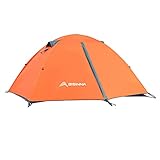
- Premium Choice: BISINNA 2/4 Person Camping Tent Lightweight Waterproof Backpacking Tent | Easy Setup Windproof Two Doors Double Layer with Rainfly Aluminum Pole Compact Outdoor Tent for Family Camping Hunting Hiking
The best backcountry hunting tent depends on how you hunt: a floorless pyramid or tipi with a stove such as Kifaru or Seek Outside suits cold, multi-day hunts, while a lightweight freestanding backpacking tent like the Big Agnes Copper Spur or MSR Hubba Hubba suits warm early-season trips where weight matters most.
- Quick Comparison
- Floored vs Floorless Shelters
- Features That Matter for Hunters
- Pick X If… Decision Table
- Budget Tiers
- Common Mistakes
- Site Selection and Care
- Alternatives
- Frequently Asked Questions
- Weather and Elevation Considerations
- Packing and Carrying the Shelter
- Ethics and Safety in the Field
- Pole, Stake and Fabric Details
As an Amazon Associate we earn from qualifying purchases at no extra cost to you.



Quick Comparison
| Tent family | Style | Best for | Limits |
|---|---|---|---|
| Kifaru tipis and Sawtooth line | Floorless teepee, stove-ready | Cold, late-season camps, group shelter | Premium, learning curve with stakes and poles |
| Seek Outside Cimarron and Redcliff | Floorless, stove-friendly | Hunters who pack out heavy loads | Made-to-order, long lead times |
| Hilleberg Nallo and Anjan families | Four-season tunnel | Wind and snow exposure | Heavier, premium tier |
| Big Agnes Copper Spur HV UL | Freestanding double-wall | Early season, weight-focused | Thin fabric needs care |
| MSR Hubba Hubba | Freestanding double-wall | Versatile three-season | Not built for heavy snow |
| Black Diamond Mega Light | Floorless pyramid | Ultralight pack-in hunts | Minimal bug protection |
Specific weights and packed sizes vary between versions, so rely on the maker’s page for current figures.
Floored vs Floorless Shelters
Floorless pyramids and tipis
Floorless shelters pack light for the room they provide and allow a wood stove, which turns a cold camp into a dry, warm one. Reviewers at outlets such as Outdoor Life and Backcountry Hunter blogs describe them as the choice of serious elk and sheep hunters. The trade-off is bugs, ground moisture and the need for a groundsheet or bivy.
Freestanding backpacking tents
Double-wall freestanding tents provide a floor, mesh and a rainfly, and they pitch on rock or hard ground without stakes. They weigh more per square foot of livable space but suit hunters who value insect protection and an easy setup.
Features That Matter for Hunters
- Weight and packed size. A tent shares the pack with meat on the way out, so weight matters twice.
- Camouflage and color. Earth tones reduce visibility. Some makers offer camouflage or low-visibility fabrics, though solid greens often do the job.
- Storm and wind performance. Look at pole material and the number of guy points the maker lists.
- Stove compatibility. Stove-ready tents list a stove jack. Follow the maker’s guidance for carbon monoxide safety and never run a stove while sleeping without proper ventilation and a detector.
- Interior space. Hunters with packs, bows or rifles need room beyond the sleeping area.
- Setup speed. Pyramids can be pitched fast with one pole, but wind makes stake placement critical.
Pick X If… Decision Table
| If you… | Pick | Why |
|---|---|---|
| Hunt late season in snow and cold | Kifaru or Seek Outside with stove | Warm, roomy, handles weather |
| Hunt solo and count every ounce | Black Diamond Mega Light or Copper Spur HV UL | Lower weight for the space |
| Face wind and storms in open country | Hilleberg tunnel | Strong pole and fabric design |
| Camp in bug-heavy early season | MSR Hubba Hubba or similar | Full mesh inner |
| Hunt in a group of three or more | Large Kifaru tipi | One shared warm space |
Budget Tiers
Budget: basic freestanding backpacking tents from brands like Kelty or REI Co-op. They are fine for fair weather and lighter use.
Mid-range: Big Agnes and MSR freestanding tents and entry-level pyramids.
Premium: Kifaru, Seek Outside and Hilleberg shelters, where materials, workmanship and warranties are the selling points.
Common Mistakes
- Buying a four-season tent for early-season hunts, then carrying the extra weight.
- Skipping a practice pitch at home before heading into the backcountry.
- Pitching under dead trees or in drainages that collect cold air and water.
- Using a stove without a chimney check and carbon monoxide alarm.
- Ignoring seam sealing and fabric care between trips.
Site Selection and Care
Choose flat, durable ground away from game trails and downed timber. Keep food and scented items away from sleeping areas in bear country and follow local rules on food storage. Dry the shelter fully before long-term storage.
Alternatives
- Bivy plus tarp. Ultralight and flexible, but less comfortable in long storms.
- Hammock systems. Work well in timber, not in open country.
- Spike camp in a vehicle-based setup. A big wall tent suits base camps where weight is not a constraint.
Frequently Asked Questions
What is the best tent for backcountry elk hunting?
Many elk hunters choose floorless pyramids or tipis with a stove for cold weather and freestanding tents for early season. The better choice depends on climate and group size.
Do I need a stove-ready tent?
You need one if you hunt in late season or in cold, wet conditions. Always follow the maker’s guidance on stove use and ventilation.
Are floorless tents hard to use?
They have a short learning curve, mostly around staking and managing ground moisture. A groundsheet or bivy helps.
How much should a hunting tent weigh?
There is no single number. Solo hunters aim for the lightest shelter that handles their weather, while groups may accept more weight for shared space.
Is camouflage necessary?
Not always. Earth-toned fabrics and careful site selection often matter more than printed patterns.
Can I use a regular backpacking tent for hunting?
Yes, for fair-weather hunts. For harsh weather, a purpose-built shelter gives better protection.
Weather and Elevation Considerations
Backcountry hunts often start in warm valleys and end near the treeline with sharp temperature drops. Makers such as Hilleberg and Kifaru describe their fabrics and pole systems for wind and snow, and reviewers at outdoor outlets agree that tent choice should follow the harshest conditions you expect, not the average ones. Pitch with the door away from the wind, use every guy line the maker supplies and bring extra stakes for loose soil or snow. In lightning, stay out of exposed ridgelines and move to lower ground.
Packing and Carrying the Shelter
Split the shelter among hunting partners when possible: one carries the poles, another the fabric. Stuff sacks that compress the tent reduce volume in the pack, but avoid compressing a damp shelter for long periods. Many hunters bring a small repair kit with seam sealer, a few feet of cord and a patch, since a torn rainfly is the most common trip-ending failure.
Ethics and Safety in the Field
Camp away from water sources according to local rules, follow food storage regulations in bear country and keep firearms and bows secured when sleeping. Share your itinerary with someone and carry a satellite communicator if you are far from reception. If you plan to use a stove in a tent, read the maker manual carefully and use a carbon monoxide alarm.
Pole, Stake and Fabric Details
Aluminum poles are common and repairable, while some ultralight shelters use trekking poles to save weight. Silnylon and similar coated nylons are light but can sag when wet, so retension after rain. Titanium stakes save weight but bend in rocky ground, so carry a few sturdier ones. Seam taping and a durable water repellent finish are worth reapplying as the maker advises.







Write Your Review
No reviews yet. Be the first to share your experience!