
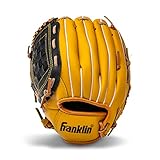
- Top Pick: Franklin Sports Field Master Series Baseball Gloves, 12", Right Hand Throw | Baseball + Softball Practice + Games, Quick Break-In Comfort, Scoops + Catches Ready, Synthetic Leather Feel, Youth + Adult
- Best Value: Franklin Sports Field Master Series Baseball Gloves, 13", Right Hand Throw | Baseball + Softball Practice + Games, Quick Break-In Comfort, Scoops + Catches Ready, Synthetic Leather Feel, Youth + Adult
- Premium: Rawlings | Sure Catch Adult Baseball Glove | Size 12" | Mocha/Camel | Right Hand Throw
The best adult baseball glove depends mainly on position and budget: a Rawlings Heart of the Hide or Wilson A2000 suits serious players who want premium leather, a Rawlings Pro Preferred or Mizuno Pro suits those chasing a game-ready pro-style pattern, and a Rawlings Player Preferred, Wilson A1000 or Rawlings Gamer suits recreational and rec-league players who want value. Fit and pattern matter more than brand loyalty.
As an Amazon Associate we earn from qualifying purchases at no extra cost to you.


Glove Lines at a Glance
| Line | Tier | Best for | Notes |
|---|---|---|---|
| Rawlings Heart of the Hide | Premium | Serious players, pro-style feel | Long break-in; maker lists premium steer-hide leather |
| Wilson A2000 | Premium | Players who want a consistent factory shape | Many pattern options by position |
| Mizuno Pro | Premium | Infielders and players wanting a softer feel | Reviewers often mention lighter weight |
| Rawlings Pro Preferred | Top tier | Players wanting soft kip-style leather | Maker lists softer, lighter leather |
| Wilson A1000 | Mid-range | Rec-league and high school-to-adult players | Game-ready feel, less break-in |
| Rawlings Gamer | Budget to mid | Casual players, softball crossover | Softer leather, quicker break-in |
Start With Position
Glove sizing in adult baseball is measured from the tip of the index finger to the heel of the glove, usually in inches. Different positions use different pattern sizes.
- Infield: shorter gloves, often in the 11 to 12 inch range, built for quick transfers.
- Outfield: longer gloves, usually 12 to 13 inches, with deeper pockets for reach.
- Pitcher: closed webs hide the grip. Size often falls between infield and outfield.
- First base: a long, scooped mitt designed to receive throws.
- Catcher: a padded mitt that needs a hard-wearing break-in.
Makers list exact patterns per position. Always check their sizing chart rather than guessing from number alone, since the same inch size can feel different across lines.
Leather and Break-In
Premium gloves use thicker, stiffer leather that holds shape and lasts for years but takes weeks of use to soften. Mid-range gloves use softer leather that is nearly game-ready. Cheaper gloves may use thinner leather or synthetic shells that break in quickly but wear out sooner.
Break-in methods include playing catch, using a glove mallet, and conditioning with products made for gloves. Many players avoid ovens and microwaves, which maker materials commonly warn can dry or damage leather. Follow the maker’s care instructions.
Web and Pocket Styles
| Web | Common position | Why |
|---|---|---|
| I-web or H-web | Outfield, third base | Open and lightweight; helps with dirt release |
| Basket web | Pitcher, infield | Closed pocket that hides the ball and grip |
| Trapeze | Outfield | Large pocket for catching fly balls |
| Modified trapeze | Outfield, second base | Compromise between depth and control |
Hand Fit and Lacing
Some adult gloves come in adult standard, narrow or wide hand options. A glove that is too wide can shift on the catch and cause missed grabs. The lacing affects durability, so check whether the maker specifies rawhide or synthetic lacing. Some players re-lace the wrist after a few seasons.
Pick X If
| You are | Pick |
|---|---|
| A competitive player who will use the glove for years | Rawlings Heart of the Hide or Wilson A2000 |
| An infielder wanting a lighter, softer feel | Mizuno Pro or Rawlings Pro Preferred |
| A rec-league player | Wilson A1000 or Rawlings Player Preferred |
| A casual or returning player | Rawlings Gamer |
| A catcher or first baseman | Position-specific mitt from the same lines |
Right-Hand and Left-Hand Throw
Gloves are labelled by throwing hand. A right-handed thrower wears the glove on the left hand, and the product is labelled “right hand throw” by most makers. Check the label so that you buy the correct orientation, because it is a common error.
Alternatives
Other respected makers include Easton, Louisville Slugger, and Marucci. Marucci’s higher lines are often favoured by hitters-turned-fielders who want a game-ready look. Softball gloves differ in pocket and sizing, so do not use them for baseball unless the maker says they cross over.
Care Tips
- Wipe dirt and moisture after use.
- Use a conditioner made for gloves, applied sparingly.
- Store in a cool, dry place with a ball in the pocket to hold shape.
- Avoid leaving it in a hot car trunk.
Common Mistakes
- Buying a glove that is too large, hoping to grow into it.
- Over-oiling the leather, which makes it heavy and floppy.
- Using the wrong position pattern.
- Using heat to rush break-in.
- Buying a premium glove for a one-season recreational player.
Budget Tiers Explained
Premium tier gloves use thicker, more expensive leather and detailed finishing, and they reward players who use them often. Mid-range gloves aim to be closer to game-ready, trading some longevity for convenience. Budget gloves suit occasional players, coaches and casual catch. Because makers rotate patterns and colourways each season, a previous-generation glove in the same line can offer much of the same quality for less.
Trying a Glove On
- Slide your hand in and check that the fingers reach the end of the finger stalls without crowding.
- Squeeze it closed. A glove that will not close without strain will be hard in the first weeks.
- Check the wrist strap or back closure so the glove sits snugly without cutting off circulation.
- Catch a ball in the pocket and note whether the pocket is where you expect the ball to land.
Fit Notes by Hand Size
| Hand type | What to look for |
|---|---|
| Smaller hands | Narrow-fit or shorter patterns that close easily |
| Average hands | Standard adult pattern in your position size |
| Larger hands | Wide-fit options or a larger pattern with adjustable straps |
Players moving up from youth gloves often choose a pattern a half inch to an inch larger than the old glove, then adjust using the maker size chart.
Break-In Timeline
Expect stiff premium leather to need regular catch sessions over several weeks before the pocket forms naturally. Mid-range gloves usually feel playable much sooner. Placing a ball in the pocket and wrapping the glove between sessions helps it keep shape. Many players avoid shortcuts such as hot water or ovens because maker care guidance generally warns that heat can dry and crack leather.
Frequently Asked Questions
What size baseball glove should an adult use?
Infielders often use roughly 11 to 12 inch gloves and outfielders roughly 12 to 13 inch. Check the maker’s chart for the exact pattern.
How long does break-in take?
Premium stiff leather may take weeks of regular play, while mid-range gloves can feel ready sooner. It varies by line and by how often you use it.
Is a more expensive glove worth it?
For competitive players who use gloves often, premium leather lasts longer and holds shape. Casual players are usually well served by a mid-range line.
Can I use a softball glove for baseball?
Softball gloves are built for a larger ball and different pockets. Use one only if the maker says it crosses over.
Should I oil my glove?
A light conditioning is common, but too much oil adds weight and softens the leather too much. Follow the maker’s care instructions.
How do I know which hand to buy?
Buy the glove for the opposite hand of the one you throw with. A right-handed thrower wears the glove on the left hand.





Write Your Review
No reviews yet. Be the first to share your experience!