
For most households, a food-grade diatomaceous earth dust such as Bonide Diatomaceous Earth or Harris Diatomaceous Earth suits light indoor and perimeter ant problems, while a boric acid powder suits cracks and voids away from pets, and a professional-style dust such as Delta Dust suits stubborn infestations where the label allows. This guide explains how those powders differ, what the makers state, and which situation each one fits.
As an Amazon Associate we earn from qualifying purchases at no extra cost to you.
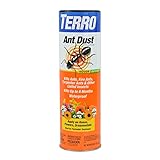

At a Glance: Ant Powders Compared
| Product type | Best for | What the maker states | Limits |
|---|---|---|---|
| Bonide Diatomaceous Earth | Indoor and outdoor crawling insects, gardens | Sold as a 1.3 lb shaker and a 5 lb bag; applied as dust or mixed into a slurry for spraying; insects die within 48 hours of contact; listed as crop and livestock safe when label directions are followed | Loses effect when wet; slower than chemical dusts |
| Harris Diatomaceous Earth | Cracks, baseboards, pet bedding areas per label | Maker markets a food-grade powder for crawling insects | Dust can irritate lungs if inhaled; wear a mask when applying |
| Safer Brand Diatomaceous Earth Insect Killer | Households wanting a plant-garden-friendly option | Maker positions it as a natural-mineral insect killer for crawling pests | Needs repeat application after rain |
| Boric acid powder (various makers) | Wall voids, behind appliances, under sinks | Sold as a slow-acting stomach poison for ants and roaches | Not for areas children or pets can reach |
| Delta Dust | Heavy infestations, wall voids, attics | Maker lists a deltamethrin dust for crawling and flying insects | Label restrictions apply; handle with gloves and respirator as directed |
How Ant Powders Work
There are two broad mechanisms. Diatomaceous earth is a fine mineral dust made from fossilised algae. It works physically: insects that crawl through it lose protective coating and dry out. Because the action is mechanical, ants cannot develop resistance, but the dust only works while it is dry.
Boric acid and chemical dusts work differently. Boric acid is a stomach poison. Foraging ants pick the powder up on their legs, groom themselves and carry some back to the nest. The effect is slow by design, which helps reach the colony rather than only the workers you see. Pyrethroid dusts such as deltamethrin act on the nervous system and tend to be faster, but they carry more label restrictions.
No powder replaces finding the ant trail. A dust placed where ants never walk does nothing, so the first step is watching where they enter and where they travel.
Product Notes
Bonide Diatomaceous Earth
The maker lists this as an insecticide working by contact and ingestion, with insects dying within 48 hours of contact. It names ants alongside cockroaches, earwigs, silverfish, beetles, slugs, fleas, bedbugs and other crawlers. It is sold as a dust shaker or a larger bag and can be applied as a dry dust or mixed into a slurry for spraying. The maker describes it as safe for crops and livestock when label directions are followed, which makes it popular for garden beds and chicken coops.
Harris Diatomaceous Earth
Harris is a long-standing pest-control brand that sells a food-grade diatomaceous earth powder, often packaged with a puffer bottle for applying fine lines into cracks. Reviewers of this category generally favour applicators that deliver a very thin layer, since a thick pile is something ants simply walk around.
Safer Brand Diatomaceous Earth
Safer Brand focuses on products it presents as lower-toxicity options for homes and gardens. Its diatomaceous earth line suits buyers who want a mineral powder from a brand they already use for garden pests.
Boric Acid Powders
Boric acid is sold under many names, so read the active ingredient percentage and the label. Because the goal is for ants to carry it home, it works best in a very light dusting. Heavy deposits repel ants. Keep it out of reach of children and pets and follow the label on where it can be used.
Delta Dust
This is a professional-style deltamethrin dust that the maker lists for cracks, crevices and voids. It is the strongest option here and also the one with the most precautions. Follow the label on protective equipment and permitted sites, and consider a licensed pest professional for severe indoor problems.
How to Choose
- Where the ants are: Kitchen counters and pantry edges point to low-toxicity dust or bait. Outdoor trails and foundation lines allow more options.
- Who shares the space: Households with pets or toddlers should avoid boric acid and pyrethroid dusts in open areas and read every label.
- Speed versus colony control: Diatomaceous earth kills what contacts it. Boric acid and baits aim at the nest.
- Weather: Rain washes powders away. Outdoors, reapply after wet weather or apply under eaves.
- Applicator: A bulb duster or puffer makes thin, accurate lines. A loose shaker tends to leave thick piles.
Pick X If
| Pick this | If |
|---|---|
| Bonide Diatomaceous Earth | You want one powder for house perimeter, garden and coop under the label directions |
| Harris Diatomaceous Earth | You want a fine puffer-style application into baseboard cracks |
| Safer Brand Diatomaceous Earth | You prefer a lower-toxicity brand for yard and garden use |
| Boric acid powder | You can place it in hidden wall voids and want nest-level effect |
| Delta Dust | The infestation is persistent and you can follow strict handling rules |
Alternatives to Powder
Liquid ant baits, such as borax-based stations from brands like Terro, are often better when ants are actively feeding in the kitchen because workers carry the bait to the queen. Granular outdoor baits suit lawns and mounds. Gel baits fit into cracks where powder would spill. If you suspect carpenter ants, which can damage wood, a professional inspection is a sensible step rather than another dust.
Common Mistakes
- Applying thick piles that ants avoid rather than a thin, barely visible line.
- Spraying repellent sprays on the trail while using bait, which can scatter foragers and defeat the bait.
- Using wet or damp diatomaceous earth, which does little until it dries.
- Breathing in the dust. Wear a mask and avoid applying it in drafts.
- Ignoring the food source. Wipe crumbs, seal sugars, and fix moisture problems, otherwise new ants arrive.
Safety Basics
Always read and follow the product label. Wear gloves and a dust mask when handling fine powders, keep products in original containers, and store them out of reach of children and pets. If a child or animal ingests a pest product, contact poison control or a vet immediately and have the packaging on hand. Pet birds and fish are especially sensitive to airborne dust and sprays, so take extra care near them.
Frequently Asked Questions
How long does ant powder take to work?
Makers of diatomaceous earth such as Bonide say insects die within 48 hours of contact. Boric acid is slower because it relies on ants carrying it back to the nest. Expect days to a couple of weeks for nest-level results.
Is diatomaceous earth safe around pets?
Food-grade diatomaceous earth is generally considered lower risk than chemical dusts, and Bonide states its product is safe for crops and livestock when used per label. The dust is still an inhalation irritant, so keep it away from faces and pet bedding unless the label says otherwise.
Can I use ant powder indoors?
Many powders allow indoor crack and crevice use, but conditions differ by product. Apply thin lines near entry points and behind appliances, and avoid surfaces where food is prepared. Always follow the label.
Why do ants avoid my powder?
A thick pile acts as a barrier that ants walk around. A very thin, even film is more likely to be crossed, and boric acid needs a small dose so workers survive long enough to return to the colony.
Does powder or bait work better?
Bait generally targets the colony more reliably when ants are feeding indoors. Powder suits cracks, voids and perimeter lines. Many people combine the two while following label rules.
When should I call a professional?
Call one if ants keep returning after several weeks, if you see winged ants indoors in large numbers, or if you suspect carpenter ants or fire ants. They can identify the species and choose a treatment that is safe for your home.







Write Your Review
No reviews yet. Be the first to share your experience!