
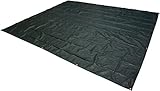
- Top Pick: Amazon Basics Waterproof Multipurpose Camping Tarp with Reinforced Corners and Edges, Protective Cover, 9.5 x 11.3 Feet, Dark Green
- Best Value: MVPNET 20x30Ft 5mil Waterproof Tarp, UV Resistant Blue Multipurpose Tarps
- Premium Choice: Winpull Tarp 10x20FT, 16 Mil Heavy Duty Waterproof Tarp, Large Tarp with Brass Grommets and Reinforced Edges, UV Resistant Thick Poly Tarps for Outdoor Camping Tent Pool Car
The best waterproof tarp depends on how you use it: a silnylon or similar coated-nylon tarp such as the Kelty Noah’s Tarp or the Sea to Summit Ultra-Sil Tarp suits backpackers who count grams, while a heavy-duty polyethylene tarp is the sensible pick for covering woodpiles, vehicles, equipment and campsites where weight does not matter.
As an Amazon Associate we earn from qualifying purchases at no extra cost to you.


Know what waterproof means for tarps
A tarp keeps rain off by shedding it from a sloped, taut surface; it is not a sealed shelter. Fabric makers describe waterproofing with coatings and a hydrostatic head rating, where a higher number indicates higher resistance to water pressure. Seams can leak unless they are taped or sealed, and a tarp pitched too flat will pool water and sag. Heavy wind-driven rain can also enter from the sides, so pitch low into the wind.
At a glance
| Option | Best for | Key traits (maker descriptions) | Limits |
|---|---|---|---|
| Kelty Noah’s Tarp | Camping, picnics, group shelter | Polyester-based tarp with reinforced corners and multiple tie-outs; several sizes offered | Heavier than ultralight tarps |
| Sea to Summit Ultra-Sil Tarp | Backpacking and light travel | Lightweight silicone-coated nylon, packs small | Needs careful pitching; thin fabric |
| Aqua Quest Guide Tarp | Backcountry shelter with durable build | Coated ripstop, seam-sealed construction per the maker, several sizes | Premium tier; heavier than ultralight options |
| Heavy-duty polyethylene tarps (various makers) | Covering gear, wood, vehicles, work sites | Thickness stated in mil or gsm, grommets around edges | Bulky; UV can degrade lower grades |
| Canvas or poly-cotton tarps | Bushcraft and base camps | Breathable, durable, resistant to sparks | Heavy; needs treatment and drying |
Maker line-ups change, so check the product page for the current sizes, weights and fabric ratings.
Materials explained
Silnylon and silpoly
Nylon or polyester coated in silicone is the standard for ultralight tarps. Silnylon can stretch when wet and sag, which silpoly reduces. Silicone-coated fabrics are hard to seam seal, so makers often offer factory-sealed seams or a separate sealer.
Polyethylene (poly) tarps
Woven poly tarps are cheap, waterproof and widely sold in many sizes. Thickness is usually measured in mil, and heavier grades last longer. They are not ideal for carrying long distances.
Polyurethane-coated ripstop
Used for mid-weight camping tarps, it balances toughness and weight. The coating can degrade with age and heat, so storage matters.
Canvas
Canvas is heavy and breathable. It handles embers better than synthetics, though it takes time to dry and must be maintained.
Size and tie-out planning
| Use | Typical size range | Notes |
|---|---|---|
| Solo backpacker | About 8 by 10 feet or smaller | Pitch low; carry lightweight stakes and cord |
| Two people plus gear | About 10 by 10 to 10 by 12 feet | Gives more headroom and coverage |
| Group kitchen or shelter | 12 by 12 feet or larger | Requires poles or tall trees |
| Cover for gear or wood | Sized to the pile with overhang | Add weights or bungees at the base |
Check the number and position of tie-outs. Reinforced corners and mid-edge loops allow flexible pitches such as lean-to, A-frame and diamond. Always carry cord and stakes, since these often are not included.
Pick X if …
- You hike long distances: Sea to Summit Ultra-Sil Tarp or another silnylon tarp.
- You car camp or picnic: Kelty Noah’s Tarp.
- You want a durable backcountry shelter: Aqua Quest Guide Tarp.
- You need a cover for firewood, boats or vehicles: a heavy-duty poly tarp with a mil rating that suits the load.
- You sit near a campfire: keep synthetic tarps well away from flames, or choose canvas.
Budget tiers without numbers
At the budget tier, poly tarps and basic camping tarps cover most casual needs, but expect heavier weight and shorter UV life. Mid-range tarps like the Kelty Noah’s add better fabric and tie-outs. The premium tier includes the Aqua Quest and the best ultralight silnylon tarps, which have lighter, more durable fabric and sealed seams.
Setup tips
- Pitch with one edge lower to shed rain and avoid pooling water.
- Use trees, trekking poles or a ridgeline to create height.
- Tighten guylines after rain, because fabrics stretch.
- Seal seams if the tarp is not factory-sealed.
- Choose a campsite away from dead branches and low ground that can flood.
- Do not use a tarp in lightning conditions as shelter from the storm.
Care and storage
Dry the tarp fully before storing it, to avoid mould and coating damage. Shake off dirt, spot clean with mild soap and water, and avoid machine washing unless the maker allows it. Keep tarps out of long direct sun when not in use, since UV can weaken fabrics. Store loosely folded in a cool dry place.
Alternatives
- Tarp tents and shaped shelters: better weather protection with less pitching skill.
- Hammock rain flies: designed for hammock camping with a shape to match.
- Pop-up canopies: useful at campsites and tailgates but not backpacking.
- Emergency blankets and bivy bags: for emergency use only.
Common mistakes
- Buying a tarp too small for the gear and people planned.
- Pitching flat so water pools.
- Ignoring seams on silicone-coated fabrics.
- Using a thin poly tarp in strong wind without extra tie-downs.
- Leaving poly in the sun for months.
Choosing for your climate
In steady wet climates, favour sealed seams, a steep pitch and extra guylines, and carry a groundsheet so rising damp does not undermine the shelter. In hot, sunny conditions, a lighter-coloured tarp and a high pitch improve airflow and shade. In windy places, a low, tapered pitch and extra stakes matter more than fabric weight, and heavier fabrics flap less. Cold-weather campers should remember that a tarp offers no insulation and plan sleeping gear accordingly. Always check local fire rules before cooking near any shelter, and keep stoves and flames well clear of synthetic fabrics.
Frequently Asked Questions
Are all tarps waterproof?
Many are water resistant or waterproof, but seams, coatings and age change how well they work. Read the maker’s description and look for seam sealing. Even a good tarp can leak if pitched flat.
What does a hydrostatic head rating mean?
It measures how much water pressure a fabric resists before leaking, usually stated in millimetres. A higher rating generally means better waterproofing. Makers use the figure to compare fabrics, though real-world rain and wind also matter.
How do I stop a tarp from leaking at the seams?
Choose a tarp with factory-sealed seams or use a seam sealer recommended for your fabric. Silicone fabrics often need a specific sealer. Let the product cure as the instructions state.
What size tarp do I need?
Plan on a tarp that extends beyond your sleeping area and gear by a comfortable margin. A 10 by 10 foot tarp is a common starting size for two people. Windy conditions favour a smaller, lower pitch.
Can I use a poly tarp for camping?
You can for car camping and covering gear, as it is inexpensive and waterproof. It is heavy and bulky for backpacking. Use stakes and strong guylines in wind.
How long do tarps last?
That depends on the fabric, sun exposure and care. Dry storage and limiting UV exposure extend life. Replace a tarp that is torn, brittle or leaking through the fabric.





Write Your Review
No reviews yet. Be the first to share your experience!