
- Top Pick: CONNOISSEURS – Extra Large Polishing Cloth – 14×14 Inches | Premium Edition – for Silver Jewelry – Ultrasoft Fabric with Anti-Tarnish Formula
- Best Value: Pro Size Polishing Cleaning Cloth Made in USA for Gold, Silver, Platinum. Pure Cotton Eco Friendly Tarnish Remover Cleaner Large 11 x 14 Inch. Shines Jewelry Like New. Cleans Coins Watches Silverware
- Premium Choice: Bonison 3 Pack Large Silver Polishing Cloth, 10 x 12 Inch Multi-Layer Jewelry Cleaning Cloth for Silver, Gold, Platinum, Rings, Necklaces, Bracelets, Earrings and Watches (Gray)
If you want one cloth for regular care of sterling flatware, jewelry and serving pieces, a treated polishing cloth such as the Sunshine Polishing Cloth or Wright’s Silver Polish Cloth is the usual starting point, while an unimpregnated soft cloth or a dedicated anti-tarnish cloth suits finishing and storage.
As an Amazon Associate we earn from qualifying purchases at no extra cost to you.
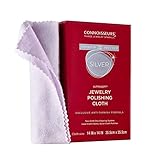

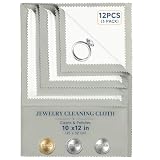

Cloth Types at a Glance
| Cloth type | Examples | Best for | How it works | Limits |
|---|---|---|---|---|
| Treated polishing cloth | Sunshine Polishing Cloth, Wright’s Silver Polish Cloth, Town Talk | Light to moderate tarnish on sterling and silver plate | Cloth is impregnated with a mild polishing compound the maker supplies | Gets dirty and must be retired; not for heavily tarnished or lacquered pieces |
| Plain soft cotton or microfibre | Jeweler-style buffing cloths | Final buffing and fingerprints | No compound; removes oils and light haze | Will not remove real tarnish alone |
| Anti-tarnish storage cloth | Hagerty and similar silver storage cloths | Wrapping and storing pieces | The maker describes fabric treated to slow tarnish | Slows tarnish, does not clean |
| Cloth plus liquid or paste polish | Wright’s, Goddard’s, Hagerty products | Ornate or heavily tarnished items | Chemical or abrasive compound applied separately | More steps and more rinsing |
What Tarnish Is and Why It Matters for Choice
Tarnish on silver is a thin layer of silver sulfide that forms when silver reacts with sulfur compounds in the air, food such as eggs and onions, and some rubber or wool materials. It is a surface film, not damage to the metal, and a good polishing cloth removes it with light abrasion. That is also why a very abrasive cloth is a poor choice: every pass removes a tiny amount of silver.
How to Choose
Match the cloth to the piece
Solid sterling flatware and holloware tolerate regular polishing. Silver plate has only a thin silver layer, so aggressive or frequent rubbing can eventually expose the base metal. Antique pieces with oxidized patina in the recesses, a deliberate dark finish, are best left alone or cleaned by a conservator.
Check for lacquer or coatings
Some decorative silver and many modern jewelry pieces carry a protective lacquer or rhodium finish. Polishing compounds can dull or remove those. If the maker or the piece’s seller states a finish, follow its care advice.
Sizes and layering
Treated cloths are often sold as a two-layer or paired design: an inner treated layer for cleaning and an outer plain layer for buffing, as some makers describe. Large cloths cover serving trays; small ones fit a jewelry drawer.
Gemstones and mixed materials
Jewelry with soft or porous stones such as pearls, opals and turquoise can be damaged by polishing compounds or rubbing. Use cloth only on the metal and keep it off stones, or follow the jeweler’s instructions.
The Main Options
Sunshine Polishing Cloth
This is among the best-known treated cloths for silver, gold and brass jewelry. The maker’s design uses a cleaning layer and a finishing layer. Jewelry owners and antique collectors often mention it for quick touch-ups. It suits people who want one small cloth that can live in a drawer.
Wright’s Silver Polish Cloth
Wright’s is a well-known name in silver care and also sells liquid and cream polishes. Its cloth is aimed at cleaning silver without needing wet polish and is often recommended for everyday flatware and small pieces.
Town Talk
Town Talk has a long history as a silver-care brand and sells polishing cloths and mitts. These are popular among people who maintain flatware collections and display silver.
Hagerty
Hagerty is widely associated with silver care and offers treated polishing cloths and tarnish-prevention storage cloths. The storage cloths, according to the maker, are intended for wrapping silver to reduce tarnish rather than to clean it.
Plain microfibre or flannel
For buffing after polish and for removing fingerprints, a clean soft cloth is all you need. It is a good companion to a treated cloth because it keeps polish residue from spreading.
Pick X If…
| Your situation | Pick |
|---|---|
| Quick touch-ups of rings, chains and flatware | A treated cloth such as Sunshine or Wright’s |
| A large collection on display | A treated cloth plus anti-tarnish storage cloths |
| Ornate pieces with deep recesses | A paste or liquid polish with a soft brush, then a plain buffing cloth |
| Silver stored in a drawer for months | Anti-tarnish storage cloth or bags |
| Fingerprints only | Plain microfibre |
| Antique with patina you want to keep | Soft dry cloth, or ask a conservator |
Budget Tiers
At the budget tier, a single treated cloth is enough for occasional polishing. In the mid-range, pair a treated cloth with a storage cloth or bag to cut down how often you polish. In the premium tier, a set of several cloths, polish and storage chests suits a full flatware service.
How to Use a Polishing Cloth Well
- Wash off food residue first with mild soap and warm water, then dry.
- Rub in the direction of the grain or the piece’s lines rather than in circles.
- Use one area of the cloth until it blackens, then fold to a clean part.
- Finish with a plain soft cloth to remove residue.
- Store polished silver wrapped or in a sealed container to slow tarnish.
Common Mistakes
- Washing the treated cloth, which the makers say removes the compound.
- Using the cloth on silver with a lacquer or a patina you wanted to keep.
- Scrubbing hard on silver plate.
- Letting rubber bands, wool or newsprint touch silver in storage.
- Rubbing stones in jewelry.
Alternatives
- Silver cream or paste: better for heavy tarnish and fine detail.
- Aluminum foil and baking soda soak: a household method that removes tarnish chemically, but it can strip patina and is not suitable for pieces with stones, glued parts or antique finishes.
- Professional cleaning: best for valuable antiques.
Frequently Asked Questions
Can I wash a silver polishing cloth?
Most treated cloths should not be washed because the polishing compound would be lost. The makers’ directions say to replace the cloth when it becomes heavily soiled. A plain cloth can be washed normally.
Does a polishing cloth remove scratches?
Not really. A cloth removes tarnish and light haze, but scratches are marks in the metal. Deep scratches usually need a jeweler or silversmith.
How often should I polish silver?
Only when it looks dull. Frequent polishing removes small amounts of metal each time. Proper storage reduces how often it is needed.
Can I use a polishing cloth on gold or brass?
Some treated cloths, including the Sunshine Polishing Cloth, are marketed for several metals. Read the maker’s description before use, and avoid lacquered brass.
Why does my silver tarnish so quickly?
Humidity, sulfur compounds, eggs, onions and some rubber or wool products speed it up. Sealed storage with anti-tarnish cloth helps slow the process.





Write Your Review
No reviews yet. Be the first to share your experience!