
- Top Pick: Sawyer Products SP657 Premium Permethrin Insect Repellent for Clothing, Gear & Tents, Trigger Spray, 24-Ounce
- Best Value: Sawyer Products SP6572 Twin Pack Premium Permethrin Clothing Insect Repellent Trigger Spray, 24 oz,Yellow
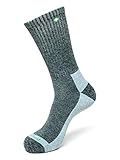
- Premium Choice: Insect Shield Lightweight Hiking Socks With Permethrin Bug Repellant – Protective Clothing for Men & Women, Charcoal, Medium
For most people the best insect repellent clothing is a factory-treated permethrin garment from a maker such as Insect Shield, ExOfficio (BugsAway) or Craghoppers (NosiLife), while anyone who already owns favourite outdoor clothes is better served by a permethrin spray applied at home. Gamers heading out to a LAN weekend in a campsite, a summer esports festival or a long fishing trip between sessions will run into the same problem as hikers: biting insects, and a shirt that works as a barrier. This guide explains how treated apparel works, how to read the maker’s claims, and which type of garment suits which buyer.
As an Amazon Associate we earn from qualifying purchases at no extra cost to you.



How insect repellent clothing actually works
Most repellent apparel relies on permethrin, an insecticide that is bonded to the fabric fibres. Insect Shield, one of the best-known treatment providers, describes its process as a factory application that is meant to stay in the cloth through repeated laundering, and it licenses the treatment to many outdoor brands. Other brands run their own programmes under names such as BugsAway or NosiLife, but the principle is similar: the garment is treated, labelled with a wash-life figure, and sold as a layer that supplements, not replaces, skin repellent on exposed areas.
Two points matter for buyers. First, permethrin treated clothing is intended to be used on the garment, not applied to skin, and the maker instructions should be followed exactly. Second, the claim covers the treated fabric only. Your hands, neck, face and ankles still need protection, and if you have questions about use around children, pregnancy or pets, ask a pharmacist or doctor and read the label. Permethrin is known to be hazardous to cats while a treated item is wet, so keep damp, freshly treated clothing away from them.
At a glance: the main options
| Option | Best for | What the maker states | Limits |
|---|---|---|---|
| Insect Shield treated shirts, trousers and socks | Buyers who want a licensed treatment across many brands | Factory applied permethrin treatment intended to last through laundering; wash-life figure is on the tag | Coverage depends on the garment; treatment fades over time |
| ExOfficio BugsAway shirts and trousers | Travellers who want light, quick-drying layers | Insect repellent treatment built into travel-oriented clothing | Travel cut and fabric weight may not suit cold or thorny terrain |
| Craghoppers NosiLife shirts and trousers | Walkers and campers who want a tailored outdoor range | Permethrin based NosiLife treatment, branded across the range | Range varies by season; check the wash-life label |
| Permethrin clothing spray (for example Sawyer Premium) | People with existing clothes, boots and tents | Applied by the owner following label directions, then dried before wear | Needs careful, outdoor application; protection differs from factory finish |
| Repellent socks and gaiters | Tick-heavy trails and grass | Treated lower-leg coverage from several outdoor makers | Does nothing for the upper body |
What to look for when choosing
Wash-life and re-treatment
Every maker publishes a laundering figure or guidance on the garment tag or product page. Treat it as a ceiling, not a promise: heavy use, hot washing and tumble drying can reduce performance. If a garment has a limit, note the number of washes you expect in a season and plan a re-treatment or replacement before you run out.
Fabric weight and coverage
Long sleeves, a collar that closes at the neck and trousers that can be tucked into socks deliver more protection than short sleeves. Lightweight nylon and polyester blends dry quickly and breathe in heat. Heavier cottons last longer and resist snags, but take longer to dry and feel hot. Match the fabric to the climate, because a shirt that is too warm gets rolled up, which defeats the purpose.
Fit, sizes and layering
Looser cuts allow air movement and make it harder for insects to bite through the fabric. Tight, stretchy fabrics pull close to the skin, where a mosquito can reach through the weave. Check that sleeves are long enough when you raise your arms to hold a rod, a tent pole or a camera. Most outdoor brands offer men’s, women’s and sometimes extended sizes, so compare size charts rather than assuming a number carries over.
Colour
Lighter, plain colours make ticks easier to spot on the fabric, and some biting insects are reported by outdoor outlets to be drawn to dark colours. This is a practical tip rather than a guarantee, but it costs nothing.
Budget tiers
| Tier | What to expect | Who it suits |
|---|---|---|
| Budget | A permethrin spray for clothes you already own, or treated socks and a hat | Occasional trips, tight budgets, tent and bag treatment |
| Mid-range | A treated long-sleeve shirt and trousers from Craghoppers, ExOfficio or an Insect Shield partner | Regular campers, anglers and festival goers |
| Premium | A full treated system with technical fabrics, sun protection and a clear wash-life statement | Frequent travellers, guides and long expeditions |
Pick X if…
| If you are… | Pick | Why |
|---|---|---|
| Packing light for a trip | ExOfficio BugsAway | Travel-focused, light layers designed to dry quickly |
| Hiking or camping in grass and woods | Craghoppers NosiLife | Outdoor range with trousers, shirts and accessories |
| Wanting treatment on a brand you already like | Insect Shield licensed garment | The treatment appears across many labels |
| Owning plenty of clothing already | Permethrin clothing spray | Treats existing garments, tents and bags |
| Dealing with ticks in particular | Treated socks plus long trousers tucked in | Protects the lower leg where ticks begin climbing |
Common mistakes
- Assuming treated clothing covers bare skin. Use a separate skin repellent on face, hands and neck following its label.
- Washing or drying contrary to the tag instructions, which can shorten the life of the treatment.
- Spraying permethrin indoors or on skin. Follow the product label and treat items outdoors in good airflow.
- Buying tight stretch fabrics that let bites through the weave.
- Forgetting socks, a hat and neck coverage, where most contact happens.
- Ignoring pets. Keep wet treated items away from cats and ask a vet if you have doubts.
Alternatives worth considering
Untreated long-sleeve technical shirts still block a lot of bites physically, and pairing them with a skin repellent is a common approach. Head nets suit heavy biting-fly seasons, and a treated tent or sleeping shelter protects the place where you spend the most time still. For gaming events held outdoors, a table fan is a simple, practical addition because mosquitoes are weak fliers, a tip frequently shared by outdoor outlets.
Safety and care notes
Read the garment tag and maker page before first wear. People with skin conditions, those who are pregnant or those dressing children should speak to a doctor or pharmacist if they have questions about permethrin products. If irritation occurs, stop use and follow the label advice. Treated clothing is not a medical device and does not prevent disease on its own, so follow public-health guidance on ticks and mosquito-borne illness for the region you are visiting.
Frequently Asked Questions
Is insect repellent clothing worth it?
For regular outdoor trips it can be, because it protects the covered skin without reapplying a spray every few hours. It works best as a layer combined with a skin repellent on exposed areas. For a single short trip, treating an old shirt with a clothing spray is often enough.
How many washes does the treatment last?
It depends on the maker. Each brand states a wash-life figure on the tag or product page, and heavy use or hot drying can shorten it. Plan to replace or re-treat the garment once you pass that number.
Can I treat my own clothes?
Yes, permethrin sprays made for clothing exist, such as Sawyer’s premium clothing product. Apply outdoors, let items dry fully before wearing, and follow the label closely, including keeping animals away until dry.
Does it work against ticks?
Makers and outdoor outlets describe permethrin-treated clothing as a tool against ticks, especially on socks and trouser legs. It does not remove the need to check your body after being outdoors.
Is it safe for children and pets?
Maker guidance varies by product and age. Ask a doctor or pharmacist before dressing a child in treated clothing, and keep cats away from wet treated items because permethrin is hazardous to them. Ask a vet if you are unsure.
Should I still use a spray on my skin?
Yes. Treated clothing only protects what it covers, so exposed hands, neck and face need a skin repellent applied according to its label.







Write Your Review
No reviews yet. Be the first to share your experience!