
- Top Pick: Utopia Bedding Queen Size Mattress Protector Zippered, 100% Waterproof | Bed Bug and Dust Mite Proof Mattress Encasement, Absorbent 6 Sided Mattress Cover fits upto 15" deep, Machine Washable
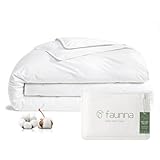
- Best Value: FAUNNA 100% Cotton Duvet Cover Dust Mite Bed Bug Comforter Protector, Queen | Minimalist Zippered Closure, Allergy Proof Hypoallergenic Protection, 600TC OEKO-Tex White, 90*90 in, Comforter not Included
- Premium Choice: Utopia Bedding Full Size Mattress Protector Zippered, 100% Waterproof | Bed Bug and Dust Mite Proof Mattress Encasement, Absorbent 6 Sided Mattress Cover fits upto 13" deep, Machine Washable
A fully zippered, tightly woven mattress encasement is the best dust mite cover for most people, while a pillow encasement and a washable duvet cover finish the job; a loose fitted sheet marketed as “allergen resistant” is rarely enough on its own. Gamers who spend long hours in a bedroom setup, often with a gaming chair, a couch bed or a mattress on the floor, tend to notice stuffy air, morning sneezing and itchy eyes more than they expect, and bedding is one of the easiest places to start.
As an Amazon Associate we earn from qualifying purchases at no extra cost to you.



How Dust Mite Covers Actually Work
Dust mites live in fabric and feed on shed skin flakes. A dust mite cover, usually called an encasement, does not kill them. It seals the mattress, pillow or duvet inside a barrier fabric so mites and their waste cannot pass through, and so you are no longer breathing what escapes from the filling. Makers generally describe the barrier in terms of pore size or fabric weave, and many state that the fabric blocks particles in the range of a few microns. Because mite allergen particles are small, the quality of the fabric and, above all, the zipper closure matter more than any marketing label.
This guide is general shopping information, not medical advice. If you have asthma or persistent allergy symptoms, talk to a doctor or allergist about a plan; bedding covers are usually only one part of it.
At a Glance: Types and Typical Makers
| Option | Best for | Key stated features | Limits |
|---|---|---|---|
| Protect-A-Bed AllerZip style encasements | Buyers who want a long-established brand with a full zipper | Maker describes a full-zip enclosure with a barrier fabric and bed bug and dust mite focus | Typically sits in the premium tier; the fabric may feel less breathable than cotton |
| AllerEase encasements | Mid-range buyers wanting mattress and pillow covers in common sizes | Maker lists zippered covers with a protective barrier for allergen particles | Fit and depth options vary by line, so measure before ordering |
| Utopia Bedding zippered mattress encasements | Budget buyers | Maker lists a zippered, waterproof-type cover for standard mattress depths | Fabric feel can be crinkly, and thicker mattresses need a deep-pocket version |
| SafeRest and similar hotel-style protectors | Buyers who need a protector that also handles spills | Maker lists waterproof, zippered designs | Waterproof backing can run warm |
| Cotton-faced allergen barrier covers | Hot sleepers who dislike plastic-like fabrics | Tightly woven cotton or cotton blend barrier | Tend to cost more per size and need careful sizing |
Product lines change from year to year, so read the current size chart and fabric description on the maker’s page before choosing a specific model.
Features That Matter
Full zipper enclosure
Choose a cover that wraps all six sides of the mattress. A mattress “protector” that only covers the top, like a fitted sheet with skirts, leaves the underside and sides open and does not isolate the filling. Look for a zipper with a protective end tab or flap, because the zipper path is the most common leak point.
Barrier fabric and breathability
Tighter weaves block more particles but can trap heat. Knit polyester with a thin barrier membrane is quiet and stretchy, while cotton-faced options feel more natural. If you run hot after long gaming sessions, prioritise breathability and check whether the maker describes the cover as quiet and breathable.
Mattress depth and size
Measure the mattress depth, not only the length and width. Many encasements list a maximum depth, and a topper or pillow-top can push a mattress beyond a standard cover. A cover that is too tight can strain the zipper; one that is too loose will bunch and feel uncomfortable.
Waterproof or not
Waterproof backing is helpful for kids, pets or spills, but it is optional for allergy purposes. If you pick it, expect a bit more heat and rustle.
Washing instructions
Makers commonly give laundering guidance, often hot enough water for mites and warm tumble drying. Follow the care label because heat can damage some barrier membranes.
Pick X If… Decision Table
| If you… | Choose |
|---|---|
| Want the most sealed, long-term setup | A premium full-zip mattress encasement plus matching pillow encasements |
| Are on a tight budget | A budget zippered encasement, then wash bedding weekly |
| Sleep hot | A cotton-faced barrier cover with a breathable top |
| Share a bed with pets or kids | A waterproof zippered encasement |
| Have a thick pillow-top mattress | A deep-pocket encasement, with measurements confirmed first |
| Mostly want pillow protection | A pillow encasement pair, since pillows sit closest to your face |
Bedding Beyond the Mattress
Pillows and duvets hold plenty of skin flakes, and they are the items nearest your airways. Encase pillows with the same type of zippered barrier, and use a duvet cover that can go in a hot wash. Wash sheets and pillowcases weekly, because the encasement protects the filling but your top layer still collects skin flakes and dust.
Alternatives to a Cover
- HEPA air purifier: Helps with airborne particles in the room, but it does not remove mites from the mattress itself.
- Vacuum with a HEPA filter: Useful for floors and the mattress surface; sealed filters help avoid blowing particles back into the room.
- Lower humidity: Dust mites favour humid air, so a dehumidifier or ventilation can help. Aim for the range suggested by allergy organisations.
- Hard flooring over carpet: Carpet holds mites, so a bedroom with fewer fabric surfaces is easier to keep clean.
Common Mistakes
- Buying a mattress protector that does not zip fully around the mattress.
- Skipping pillow encasements while covering the mattress.
- Leaving the cover under a mattress topper that is not encased.
- Washing at a temperature the label does not allow, which can damage the barrier.
- Expecting instant relief; benefits build over weeks of consistent use.
Frequently Asked Questions
Do dust mite covers really work?
Allergy organisations generally list encasements as one useful step, especially when combined with regular washing and lower humidity. They reduce exposure to the allergen inside the mattress, but they are not a cure and results vary. Ask a doctor or allergist if symptoms are persistent.
How often should I wash the cover?
Many makers suggest laundering the encasement every few months and washing sheets weekly. Follow the care label on your specific model, since some barrier fabrics tolerate less heat.
Will a dust mite cover be noisy?
Some plastic-backed or waterproof covers rustle. Stretch knit and cotton-faced designs are usually described as quieter, and sleeping with a sheet over the encasement softens the feel.
Do I need to cover the box spring too?
If you use a box spring or foundation, covering it is sensible, since it can harbour dust. Many makers sell separate box spring encasements for this reason.
Can a dust mite cover go on a gaming chair or couch bed?
Standard bed encasements are made for mattresses and pillows. For upholstered furniture, regular vacuuming and washable throws are more practical than a purpose-made cover.
Are these covers safe for children?
Makers usually say their covers are suitable for all ages, but suffocation risks apply to loose plastic around infants. Follow the maker’s safety guidance and check with a paediatrician for infant bedding.







Write Your Review
No reviews yet. Be the first to share your experience!