
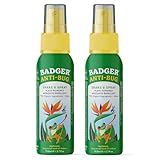
- Top Pick: Badger Bug Spray, DEET-Free Citronella, Non-Toxic, Vegan 4 fl oz 2-Pack | All-natural mosquito repellent with organic essential oils; effective 3 hours, vegan, aluminum bottle
- Best Value: Murphy's Naturals Mosquito & Tick Bug Repellent Spray, 4 fl oz (Pack of 2) | 30% Oil of Lemon Eucalyptus, EPA-Registered & DEET-Free*, 4 fl oz Pump 2-Pack Protects Skin & Gear up to 6 Hours
- Premium Choice: OFF! Botanicals Plant-Based Insect & Mosquito Repellent Bug Spray, 4 oz | Pump Spray, Plant-Based & Botanically Inspired Formula, Protects Against Mosquitoes, Black Flies, Gnats, No-See-Ums
The best plant-based bug spray for most people is an EPA-registered oil of lemon eucalyptus product such as Murphy’s Naturals, while buyers who want longer protection without DEET should look at a picaridin spray, which reviewers rate highly in the DEET-free category. “Organic” and “natural” on a label do not guarantee protection, so the registration number and the active ingredient matter more than marketing words. This guide covers what works, what does not, who each option suits and the safety limits to follow, including for gamers heading to LAN events, camping trips or outdoor streams.
As an Amazon Associate we earn from qualifying purchases at no extra cost to you.


Quick comparison
| Option | Active ingredient | Best for | Reported protection | Limits |
|---|---|---|---|---|
| Murphy’s Naturals | Oil of lemon eucalyptus (about 30 percent) | Plant-based choice with EPA registration | Roughly 6 hours for mosquitoes per reviewers | Strong lemon scent, not for children under three |
| Cutter Lemon Eucalyptus | Oil of lemon eucalyptus | Budget plant-based option | Similar to other OLE products | Same age limits |
| Repel Plant-Based Lemon Eucalyptus | Oil of lemon eucalyptus | Common alternative to Murphy’s | Similar | Scent |
| Sawyer Picaridin | Picaridin | DEET-free, best-reviewed alternative per CNN Underscored | Long-lasting per maker and reviewers | Synthetic, not a plant ingredient |
| OFF! Clean Feel Picaridin | 20 percent picaridin | Fragrance-free, fast drying | Reported up to 8 hours | Not plant-based |
| Mimikai | Oil of lemon eucalyptus plus 2-undecanone | People wanting a different plant-based blend | Praised by CNN’s tester | Less common |
What “organic” really means for bug spray
No bug spray is regulated as “organic” in the way food is. What matters for protection is whether the product is registered with the EPA as a repellent, which means its claims have been reviewed. The CDC does not recommend pure lemon eucalyptus essential oil as a repellent, because it has not had the same validated safety and effectiveness testing and is not registered. Oil of lemon eucalyptus, the refined and standardised ingredient that contains PMD, is different. Products sold only as a “natural” blend without a registration number may give little or no protection.
Which ingredients are registered plant-based options?
- Oil of lemon eucalyptus (OLE) or PMD: the best-established plant-based active ingredient.
- 2-undecanone: derived from plant sources and used in some products, including blends like Mimikai’s.
- Citronella, peppermint, cedar and lemongrass oils: frequently used in “natural” sprays, but reviewers and extension guides generally report shorter protection.
Picaridin as the DEET-free alternative
Many people who want to avoid DEET end up with picaridin. A University of Nebraska extension guide describes 20 percent picaridin as odourless, safe on plastics, and not greasy or sticky. That matters for gamers because plastic controllers, headsets and watch straps can be damaged by some repellents. CNN Underscored’s review of 21 sprays named Sawyer Picaridin Continuous Spray as the best DEET-free pick and described Ranger Ready Picaridin as a solid option with a subtle scent. Airfrov’s top overall pick was OFF! Clean Feel Picaridin, a fragrance-free 20 percent spray reported to work for around 8 hours.
Picaridin is a synthetic compound, so it does not satisfy a strictly plant-only preference. For buyers whose real goal is to avoid DEET rather than anything synthetic, it is often the better practical tool.
Plant-based performance
Reviewers say Murphy’s Naturals gives up to around 6 hours of protection against mosquitoes, while the extension guide places 30 percent OLE at about 6 hours and 20 percent picaridin at up to 12 hours. CNN’s tester noted limitations shared by all the OLE products in the test. Airfrov mentions an inconsistent pump sprayer and a lingering lemon scent on Murphy’s. Tick protection is a separate question. Always read the label to see which insects each product claims to repel, since mosquito claims do not automatically cover ticks.
Pick X if you want Y
| If you want… | Pick | Why |
|---|---|---|
| A plant-based spray with a registration | Murphy’s Naturals | OLE, widely named as the top natural pick |
| The cheapest plant-based option | Cutter Lemon Eucalyptus | Budget tier OLE |
| No scent and a light feel | OFF! Clean Feel Picaridin | Fragrance-free, dries fast |
| Best DEET-free per CNN Underscored | Sawyer Picaridin | Reviewer top pick in that category |
| Safe around plastic gear | Picaridin spray | Extension guide says safe on plastics |
| Something for a toddler | Ask a paediatrician | OLE is not for children under three |
How to use bug spray correctly
- Apply sunscreen first if you use both, then repellent on top.
- Spray on exposed skin and clothing as the label directs. Avoid eyes, mouth and broken skin.
- Spray into your hands to apply on the face, and stay away from the eyes.
- Reapply as the label says, and sooner after heavy sweating or swimming.
- Wash the skin when you come indoors.
- Spray outdoors, not in an enclosed room, and keep it away from electronics, screens and plastic surfaces.
Safety notes
Follow the label on every product. Oil of lemon eucalyptus is not for children under three, and for babies and young children you should ask a paediatrician before using any repellent. Pregnant or nursing people and anyone with skin conditions or allergies should talk to a doctor first. Stop use and seek medical advice if a rash or other reaction develops. Do not use products near food, and keep them away from pets unless the label says otherwise.
Alternatives and add-ons
- Permethrin-treated clothing: treats the fabric rather than the skin and is commonly used for ticks. Follow the maker’s instructions.
- Long sleeves and light clothing: a physical barrier with no chemicals.
- Fans and screens: a fan on a patio or at a tent door can reduce mosquito landing.
- Removing standing water: reduces breeding near your home or event.
Common mistakes
- Trusting “natural” or “organic” marketing without checking for an EPA registration number.
- Using pure essential oil mixes that are not registered.
- Applying once and assuming it lasts all day.
- Spraying near plastic gear or electronics.
- Using OLE on young children.
Frequently Asked Questions
Is natural bug spray as effective as DEET?
Registered OLE products can work well for several hours, but reviewers and extension guides report shorter protection than picaridin or DEET. Unregistered “natural” sprays may offer little protection.
What is the best organic bug spray?
There is no regulated organic category for repellents. For plant-based, Murphy’s Naturals is the most commonly named top pick, and for DEET-free, reviewers favour picaridin sprays.
Is lemon eucalyptus essential oil the same as OLE?
No. The CDC does not recommend pure lemon eucalyptus essential oil as a repellent because it lacks validated testing and registration. Oil of lemon eucalyptus in a registered product is a refined, standardised ingredient.
Can I use it on kids?
OLE products are not for children under three. Check the label and ask a paediatrician for advice about any age group.
Will bug spray damage my gaming gear?
Some repellents can harm plastics and finishes. The Nebraska extension guide says 20 percent picaridin is safe on plastics, but keep any spray away from controllers, headsets and screens regardless.
How often should I reapply?
Follow the label. Reviewers cite about 6 hours for OLE and longer for picaridin, but sweat, water and heavy bug pressure can shorten that.







Write Your Review
No reviews yet. Be the first to share your experience!