
- Top Pick: VIVOSUN Outdoor Tumbling Composter Dual Rotating Batch Compost Bin, 43 Gallon Black Door
- Best Value: Maygrove Outdoor Compost Bin 53 Gallon, Dual Chamber Large Compost Tumbler for Garden Backyard, with 360° Rotating, Sliding Doors & Solid Steel Frame, Updated Instructions
- Premium Choice: Athena Collection 80 Gallon Compost Bin with Gloves, Green | Large Outdoor Composter with Snap-On Lid & Aeration Vents, Durable Outdoor Composting Bins for Garden, Yard and Outdoor Use
The best outdoor compost bin for most yards is a dual-chamber tumbler in the 37 to 50 gallon range, with the FCMP IM4000 the name roundups cite most often, while small gardens suit the FCMP IM2000 or Half-Size, and cold-climate gardeners who want a large insulated bin look at the Jora JK270. The right choice depends on how much kitchen and yard waste you produce, how cold your winters are, and whether you will turn a drum or fork a stationary bin.
As an Amazon Associate we earn from qualifying purchases at no extra cost to you.


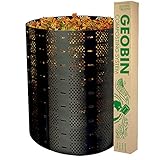
Short answer by yard type
Reviewers sort outdoor composters into two families. Tumblers are sealed drums on a stand or rollers that you spin to mix the contents. Stationary bins are open-bottom or insulated containers that sit on soil and are mixed with a fork. Tumblers speed up mixing and keep pests out, while stationary insulated bins hold more and handle cold better. The figures below are the sizes and claims quoted by makers and roundup sites, so use them to compare, not as guarantees of how fast a pile will finish.
At a glance: outdoor compost bins reviewers name
| Bin | Type | Reported capacity | Best for | Limit |
|---|---|---|---|---|
| FCMP Outdoor IM4000 | Dual-chamber tumbler | 37 gallons | Most households | Tilting drum is heavy when full |
| FCMP Outdoor IM2000 | Single-chamber tumbler | About 22.5 gallons | Small yards and patios | Smaller batches |
| FCMP Half-Size Rolling Composter | Rolling drum | About 19 gallons | Tight spaces and starters | Limited volume |
| RSI Maze | Geared dual-chamber tumbler | 48 and 65 gallon versions | Easy turning when full | Larger footprint |
| Genesis dual tumbler | Dual-chamber tumbler | 42 gallons | Pest resistance | Assembly time |
| Exaco dual-compartment tumbler | Dual-chamber tumbler | 43 gallons, recycled plastic | Mid-range alternative | Scored slightly below Genesis in one review |
| Good Ideas 50-gallon | Tumbler with tea collection | 50 gallons | Gardeners who want compost tea | Bigger and heavier |
| Miracle-Gro tumbler | Hexagonal single drum | About 18.5 gallons | Small households | Small capacity |
| Jora JK270 | Insulated, geared tumbler | About 70 gallons | Cold climates, year-round use | Premium class, large |
How to choose an outdoor compost bin
Match capacity to waste volume
A reviewer guide suggests 15 to 25 gallons for small kitchens and 50 to 80 gallons for larger gardens. A drum that is too small fills quickly and leaves no room to mix, while a bin that is too big may not reach the mass needed to heat up. Think about weekly scraps plus yard waste such as leaves and grass clippings.
Single or dual chamber
Dual-chamber designs let one side cure while you fill the other. That gives a steady supply of finished compost rather than a single big batch. Single-chamber drums are simpler and cheaper but need to be emptied before you start again.
Turning mechanism
Handle-operated and geared drums such as the RSI Maze are described as easier to turn when full. Rolling drums need you to push or roll the barrel. If you have limited strength or a bad back, prefer a geared or crank design and avoid filling any drum to the brim.
Aeration and moisture
Look for vents and interior mixing bars. Compost needs a balance of green nitrogen-rich scraps and brown carbon-rich material such as dry leaves or shredded cardboard. If the pile is soggy and smelly, add browns and turn more often. If it is dry, add a little water and greens.
Pests and neighbors
Enclosed drums with secure lids keep out rodents better than open piles. Reviewers flag the Genesis as having improved rodent resistance. Avoid adding meat, dairy or oily food scraps, which draw animals in any bin, and keep the bin on level ground with enough clearance to empty it.
Material and climate
Plastic drums are common and are often made with recycled resin. Insulated walls such as those on the Jora help keep heat in during winter. In hot, sunny yards a dark drum warms quickly, which may speed decomposition, but contents can also dry out.
Budget tiers
Budget class
The FCMP Half-Size and Miracle-Gro drums suit small spaces and curious beginners. Capacity is limited, so expect to fill them quickly.
Mid-range class
The FCMP IM4000, Genesis, Exaco and Good Ideas tumblers sit here. They give dual chambers and 37 to 50 gallons, which suits most families.
Premium class
The RSI Maze and the Jora JK270 are the larger, sturdier and, in the Jora’s case, insulated options. They suit larger gardens, year-round composting and buyers who want less effort turning.
Pick X if…
| You… | Pick | Why |
|---|---|---|
| Have a typical family yard | FCMP IM4000 | Dual chamber, mid size |
| Have a patio or tiny yard | FCMP IM2000 or Half-Size | Compact |
| Dislike heavy turning | RSI Maze | Geared handle |
| Live where winters are cold | Jora JK270 | Insulated, large |
| Want compost tea | Good Ideas 50-gallon | Built-in tea collection |
| Worry about rodents | Genesis dual tumbler | Rodent-resistant design |
Common mistakes
- Overfilling the drum so contents cannot tumble.
- Adding only kitchen scraps and no dry browns, which leads to wet, smelly compost.
- Placing the bin in deep shade or a spot with poor drainage.
- Buying a small bin for a large garden and then abandoning it.
- Adding meat, dairy or pet waste.
- Expecting finished compost in a fixed number of weeks. Makers quote ranges, and results vary with climate and mix.
Alternatives
A simple stationary bin on bare soil costs less and handles large volumes of yard waste. A worm bin suits apartment balconies and kitchen scraps. A local council collection or drop-off program may be easier if you have no yard at all.
Safety and handling notes
Wear gloves when handling finished compost and wash your hands afterward. Keep the bin away from children’s play areas, and do not lift a full drum by yourself if it is heavy. Follow the maker’s assembly instructions, since some tilting drums can be unstable on slopes.
Frequently Asked Questions
How big should an outdoor compost bin be?
Reviewers suggest about 15 to 25 gallons for small kitchens and 50 to 80 gallons for large gardens. Mid-size dual-chamber tumblers of 37 to 50 gallons fit most households.
Is a tumbler better than a stationary bin?
A tumbler mixes easily and resists pests, while a stationary bin holds more and costs less. Insulated stationary or geared bins like the Jora do better in cold weather.
How long does compost take?
Makers and roundups quote ranges, such as several weeks for a well-managed tumbler. Real timing depends on temperature, moisture and your mix of greens and browns.
What should I keep out of the bin?
Avoid meat, dairy, oily food and pet waste. They attract pests and can cause odors. Stick to vegetable scraps, coffee grounds, leaves and shredded paper.
Why does my compost smell?
A common cause is too many wet greens and too little air. Add dry browns, turn the drum more often and check that vents are clear.
Can I compost in winter?
Activity slows in the cold. Insulated bins keep more heat, and keeping the drum full and in a sunny spot helps. Otherwise expect compost to pause until warmer weather.


Write Your Review
No reviews yet. Be the first to share your experience!