
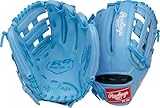
- Top Pick: Rawlings R9 Series Baseball Glove | Multiple Sizes & Colors | Rawlings is the Official Glove of MLB, all-leather shell, game-ready feel, pro-style patterns, reinforced palm, padded thumb
- Best Value: BRUCE BOLT Original Series Short Cuff Batting Gloves – Classic Edition – Solid Royal Blue – Youth Medium
- Premium Choice: Rawlings | Heart of THE Hide Series Baseball Glove | 11.5" | RHT | Pro I Web | Mint/Purple
The best shortstop glove for most serious players is an 11.5-inch infield model with a shallow pocket and an H-Web, most often the Wilson A2000 1786 or its closest rival, the Rawlings Heart of the Hide, while Mizuno gloves suit players who want a quicker break-in. The same logic gamers apply to a good mouse applies here: it should fit your hand, match your role and feel fast when you need it.
As an Amazon Associate we earn from qualifying purchases at no extra cost to you.


Shortstop Gloves at a Glance
| Glove | Best for | Reported specs | Limits |
|---|---|---|---|
| Wilson A2000 1786 | Competitive middle infielders | 11.5 inches, H-Web, Pro Stock steerhide, shallow pocket for quick transfer | Long break-in reported in one test (14 to 18 days) |
| Rawlings Heart of the Hide 11.5 | Players who want a slightly softer feel | Described as a positional twin of the A2000 1786 with the same size and web style | Premium tier |
| Rawlings Pro Preferred 11.5 | Luxury, softer out of the box | Reported as a top-tier option | Expensive tier |
| Mizuno Pro Select 11.75 | Players who prefer Japanese leather | Japan kip leather and I-Web, per reviewers | Slightly larger |
| Mizuno MVP Prime | Budget buyers | Described as a budget option | Less refined leather |
Most of these rankings come from retailer and affiliate-style guides. Maker pages for specific model years can change materials and colors, so confirm details on the manufacturer’s current listing before ordering.
What Makes a Good Shortstop Glove
Size
Guides place shortstop gloves between 11.25 and 11.75 inches, with 11.5 inches called the most versatile. A smaller glove makes it easier to get the ball out quickly; a bigger one gives you a little more reach. Youth players should size down, following the maker’s chart.
Web style
The H-Web and I-Web styles are open designs that help infielders see the ball and release it fast. Closed webs are more common for pitchers and outfielders.
Pocket depth
A shallow pocket lets the ball come out quickly on a double-play turn. A test cited in one guide measured a fast transfer on the A2000 1786 for this reason.
Leather
Steerhide is durable and common in the Pro Stock tier; Japanese kip leather, used by Mizuno, tends to be lighter and softer. Softer leather breaks in faster but may not hold shape as long.
Break-in
Stiff pro-grade gloves can take weeks of catches, shaping and light conditioning. Players who need a ready-to-play glove should look at pre-broken-in models.
Hand throw and fit
Choose a right-hand-throw or left-hand-throw model to match the hand you throw with. Check wrist closure and finger stalls for comfort.
Budget Tiers
- Budget: Mizuno MVP Prime and similar entry gloves for recreational play.
- Mid-range: Higher-grade leather lines from Wilson, Rawlings and Mizuno that suit travel and high school players.
- Premium: A2000, Heart of the Hide, Pro Preferred and Mizuno Pro Select gloves for competitive players.
Pick X If You Want Y
| Pick | If you want |
|---|---|
| Wilson A2000 1786 | A well-known standard for shortstops with quick transfers |
| Rawlings Heart of the Hide | A very similar fit with a slightly softer feel out of the box |
| Rawlings Pro Preferred | A soft, luxurious glove for a serious player |
| Mizuno Pro Select | Japan kip leather and a quicker break-in |
| Mizuno MVP Prime | A lower-cost glove for a growing player |
Common Mistakes
- Choosing an outfield-size glove. A big glove slows your transfer.
- Buying too stiff a glove before a season. If you need it soon, pick softer leather.
- Over-oiling. Too much conditioner can make leather heavy and floppy.
- Ignoring youth sizing. Young players should use the maker’s age and hand-size guidance.
- Using a microwave or oven to break in a glove. Makers generally discourage heat treatments, which can damage leather.
Break-In Basics
The safest route is to play catch regularly, shape the pocket with a ball and a wrap band, and apply a small amount of manufacturer-approved conditioner. Store the glove with a ball in the pocket and keep it away from heat.
Alternatives
If a second baseman or utility player needs a glove, an 11.25-inch glove with a similar web can work. For softball infielders, a model designed for the larger ball is needed, so look in the softball lines instead of baseball ones. Players who want something more affordable can also consider the lower tiers from the same brands.
Care and Storage
A premium glove lasts for years if treated properly. After play, wipe off dirt and moisture with a dry cloth and let it air dry away from direct sun, car trunks and radiators, since heat dries out leather and can warp the shape. Apply conditioner sparingly, a few times a season, using a product the glove’s maker approves. Store it with a ball in the pocket and a loose band around it so the pocket keeps its shape through the off-season.
Laces eventually stretch or fray. Relacing is a routine repair that a glove shop or experienced player can handle, and it is far cheaper than replacing the glove. Check the wrist lacing and the web before each season, particularly on gloves that have seen heavy use.
Fit Tips for Different Players
Hand size and finger length vary, so try on the glove if possible, snug but not so tight that circulation is cut off. Many middle infielders choose a model with a pro-style wrist closure that can be adjusted. Younger players moving up from a youth glove often jump to 11 inches first, and then to 11.5 as hands grow. If a youth player is between sizes, the maker’s age chart is a reasonable guide, but comfort and ability to close the glove matter most.
Position also shapes the choice. A shortstop making long throws from the hole wants a glove that lets the ball clear the pocket fast, while a second baseman turning double plays leans even smaller. Third basemen often prefer a slightly deeper pocket to handle hard-hit balls, so do not assume one model suits every infield spot.
Frequently Asked Questions
What size glove should a shortstop use?
Guides give a range from 11.25 to 11.75 inches, with 11.5 inches the most versatile. Younger players should follow the maker’s sizing chart.
Is the Wilson A2000 better than Rawlings Heart of the Hide?
Reviewers describe them as very similar. The Wilson is noted for quick transfer, while the Rawlings is described as slightly softer out of the box.
Which web is best for a shortstop?
Open webs such as the H-Web and I-Web are common because they help with quick ball transfers and visibility.
How long does break-in take?
It varies. One test cited a break-in of roughly two to three weeks for a stiff pro model, while Mizuno gloves are described as faster.
Can a middle infielder use the same glove at second base?
Yes. Many players use an 11.5-inch glove at either position, though second basemen sometimes prefer 11.25 inches.
Should I get a premium glove?
Competitive players who use a glove daily benefit most. Beginners can start with a more affordable model and upgrade later.







Write Your Review
No reviews yet. Be the first to share your experience!